
How to Build a DIY Hanging Desk: The Ultimate Space-Saving Solution for Your Dorm Room
Living in a dorm room often feels like a masterclass in spatial negotiation. My core philosophy for dorm design is simple: if it touches the floor, it’s likely wasting precious space. While this doesn’t mean you should start constructing a multi-level treehouse, it highlights a crucial principle for small-space living. Every square inch of your floor is valuable real estate that could be used for exercise, a small gathering of friends, or simply creating a more open, breathable environment. This is why space-saving heroes like stackable containers and multi-function appliances are so essential for college students.
However, one piece of furniture reigns supreme in the quest to reclaim floor space: the loft bed. By elevating your sleeping area, a loft bed instantly frees up approximately 21 square feet of prime floor space. This opens up a world of possibilities for what you can do with your room. But simply lofting your bed and piling your belongings underneath is a missed opportunity. A loft bed is a sturdy structure with strong wooden beams, making it the perfect anchor for an even more innovative space-saving project.
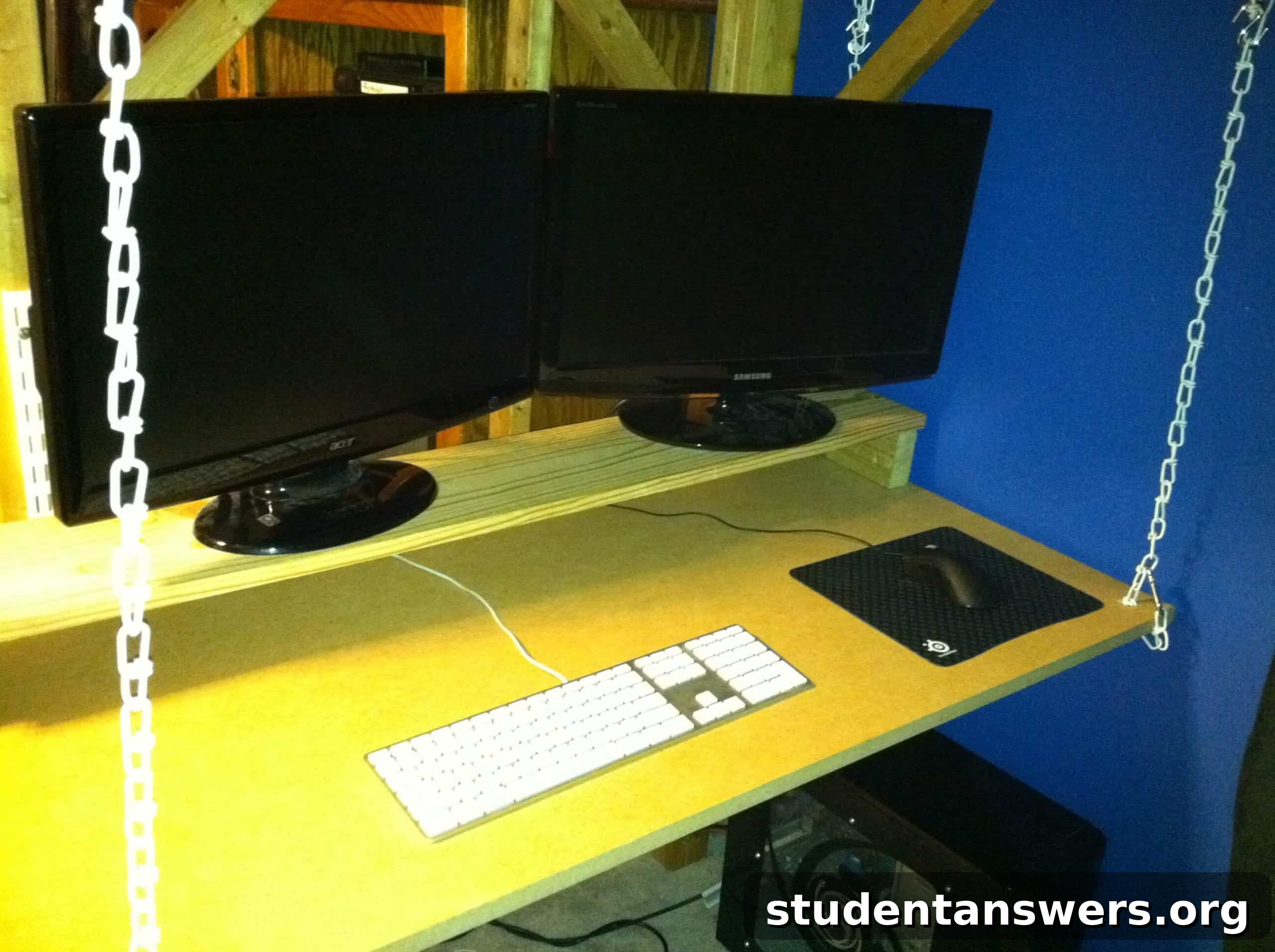
This realization led me to create a unique and functional workspace: a hanging desk. Instead of buying a standard desk that would eat up that newly acquired floor space, I decided to build one that floats, suspended from the loft bed itself. The result is a sleek, minimalist desk that provides a full-featured workspace without occupying a single square inch of the floor. This guide will walk you through how to build your own jaw-droppingly simple hanging desk in under an hour for around $45.
Even if your dorm provides a standard-issue desk, this project is for you. You might be able to store the clunky university furniture, or perhaps you’re looking for a secondary workspace. Whatever your situation, this DIY hanging desk is an affordable, stylish, and incredibly practical upgrade for any small room.
Why a Hanging Desk is a Game-Changer for Small Spaces
Before we dive into the construction, let’s explore why a hanging desk is such a fantastic choice for a dorm room or any compact living area. The benefits go far beyond just saving space.
- Unmatched Space Efficiency: This is the most obvious advantage. By suspending your desk, you keep the floor completely clear. This makes the room feel larger and provides an open area for other activities. It’s the ultimate solution for maximizing a limited footprint.
- Customizable Ergonomics: Unlike fixed-height desks, a hanging desk’s height is fully adjustable. You can position it perfectly for your chair, ensuring an ergonomic setup that reduces strain on your back and neck. You can even set it higher to create a standing desk, which is great for health and focus.
- Minimalist and Modern Aesthetic: The floating design is clean, modern, and visually light. It avoids the bulk and visual clutter of traditional desks, contributing to a more organized and serene atmosphere in your room.
- Extremely Budget-Friendly: Building this desk is significantly cheaper than buying a new one. With a few basic materials from a hardware store, you can create a custom, high-quality workspace for a fraction of the cost of a retail desk.
- A Sense of Accomplishment: There’s a unique satisfaction that comes from building something yourself. This simple DIY project is a great way to personalize your space and create a piece of furniture that’s both functional and a conversation starter.
Gather Your Materials and Tools
First, you’ll need a trip to your local hardware store, such as Home Depot or Lowe’s. The time for this shopping trip isn’t included in the build time, so plan accordingly. Here’s a detailed list of what you’ll need to create a sturdy and reliable desk.
Required Materials:
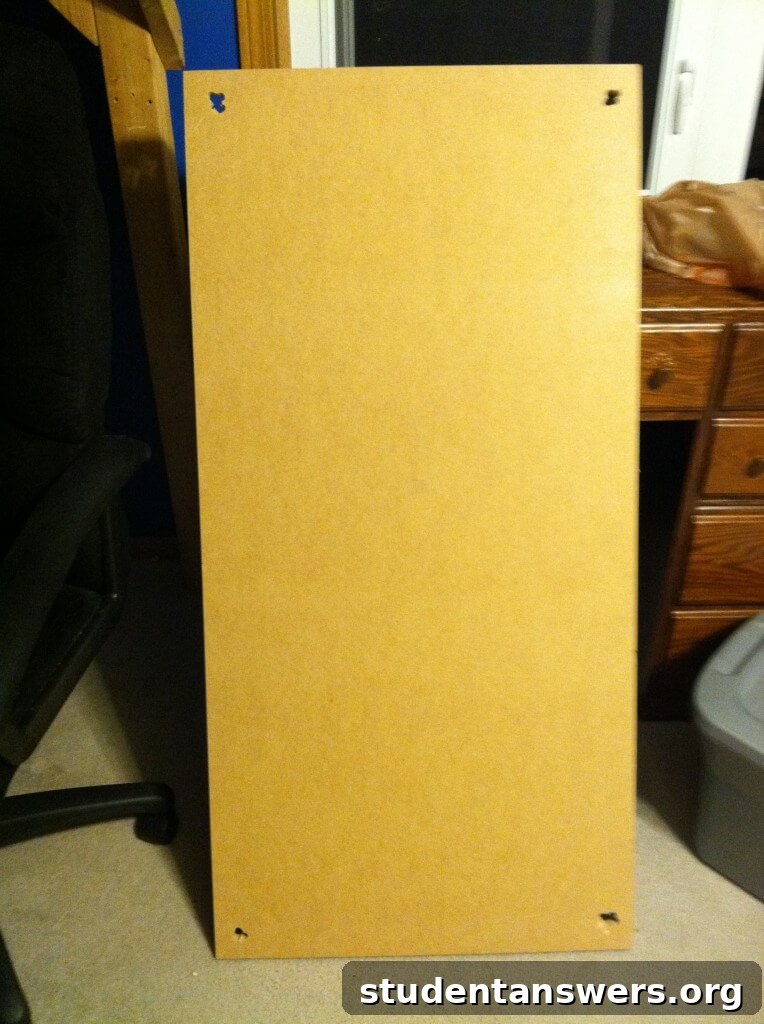
- A Solid Desktop Board: The foundation of your desk is a sturdy piece of wood. A high-density fiberboard (often called hardboard) is an excellent, affordable choice. Do not use particle board, as it can easily break or sag under weight. A good size is approximately 4 feet by 2 feet, with a thickness of at least 1 inch. The thickness is critical for strength, so it’s better to choose a board that feels overly sturdy. Plywood or a solid wood plank are also great alternatives if you prefer a different look.
- Four Sections of Chain: You’ll need four pieces of chain, each about 4 feet long. A strong option like Tenso Chain, where each link is a double loop, is ideal because it offers high strength at a low cost. Ensure whatever chain you choose has a load rating of at least 150 pounds to be safe. This ensures it can handle your computer, books, and the pressure of you leaning on it.
- Rope or Cord: The type of rope doesn’t need to be heavy-duty, as it won’t bear any weight. Its purpose is purely to stabilize the desk and prevent it from swinging. Any cheap, thin rope or even strong cord will work perfectly.
- S-Hooks or Spring Links: You’ll need four of these to connect the chains to the board and four more to connect the chains to the bed frame. Spring links (carabiners) are slightly more secure, but strong S-hooks will also do the job. Make sure they are rated to hold significant weight.

Required Tools:
- Power Drill
- Large Drill Bit (a 1/2-inch or larger spade bit works well)
- Tape Measure
- Level (optional but highly recommended)
Step-by-Step Guide to Building Your Hanging Desk
With your materials gathered, you’re ready to build. This process is straightforward and fast. Follow these steps for a perfect result.
Step 1: Drill Holes in the Desktop
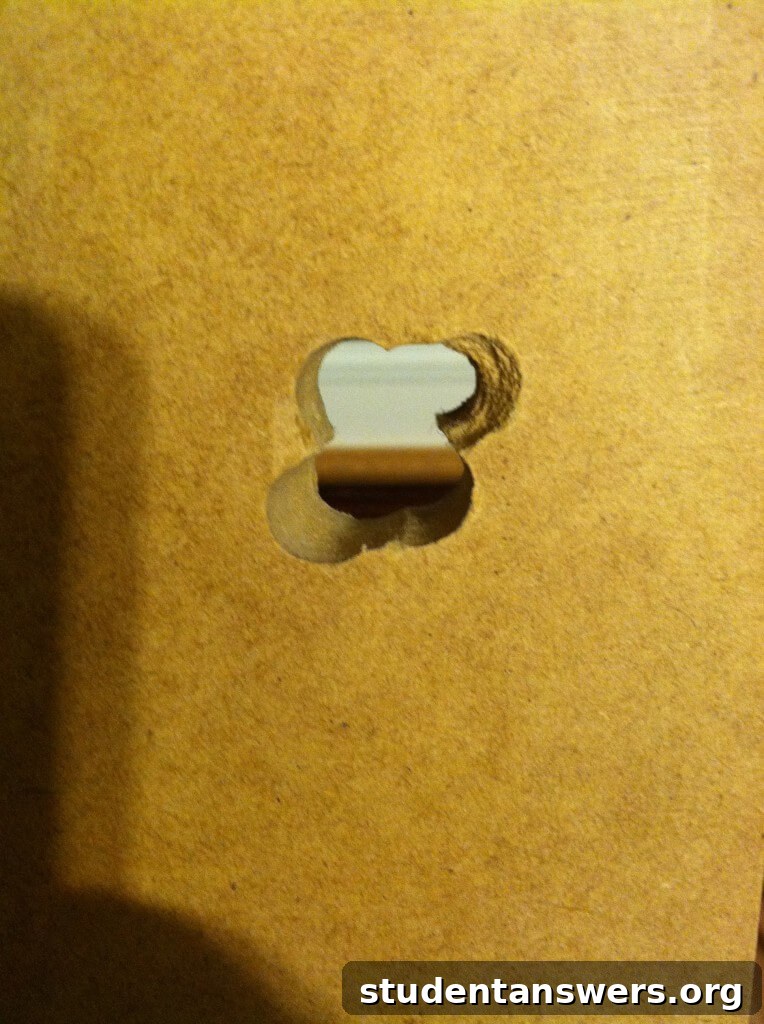
First, you need to create an opening in each of the four corners of your board for the chains to pass through. Using a power drill and the largest drill bit you have, drill a hole in each corner, about an inch or two from the edges. If your bit isn’t large enough for the chain hook to pass through, you can drill several holes close together in a small cluster and then carefully angle the drill to clear out the wood between them, creating one larger, rougher opening. If you have access to a spade bit or a hole saw, you can create a much cleaner, single hole.
Step 2: Attach the Chains to the Board
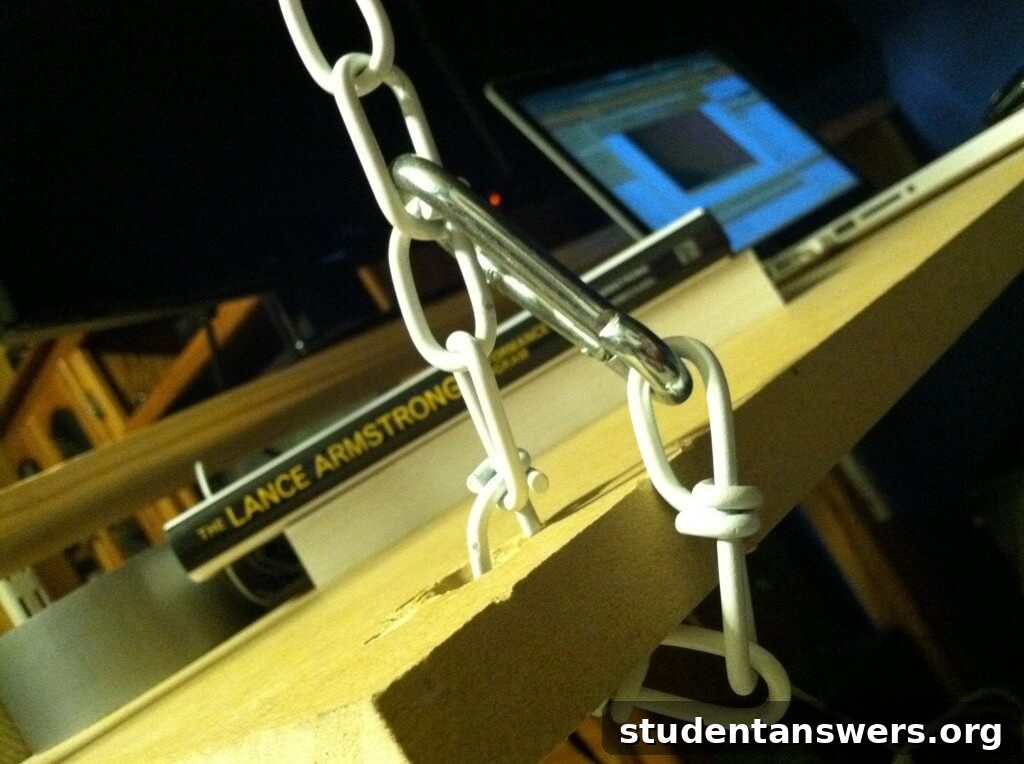
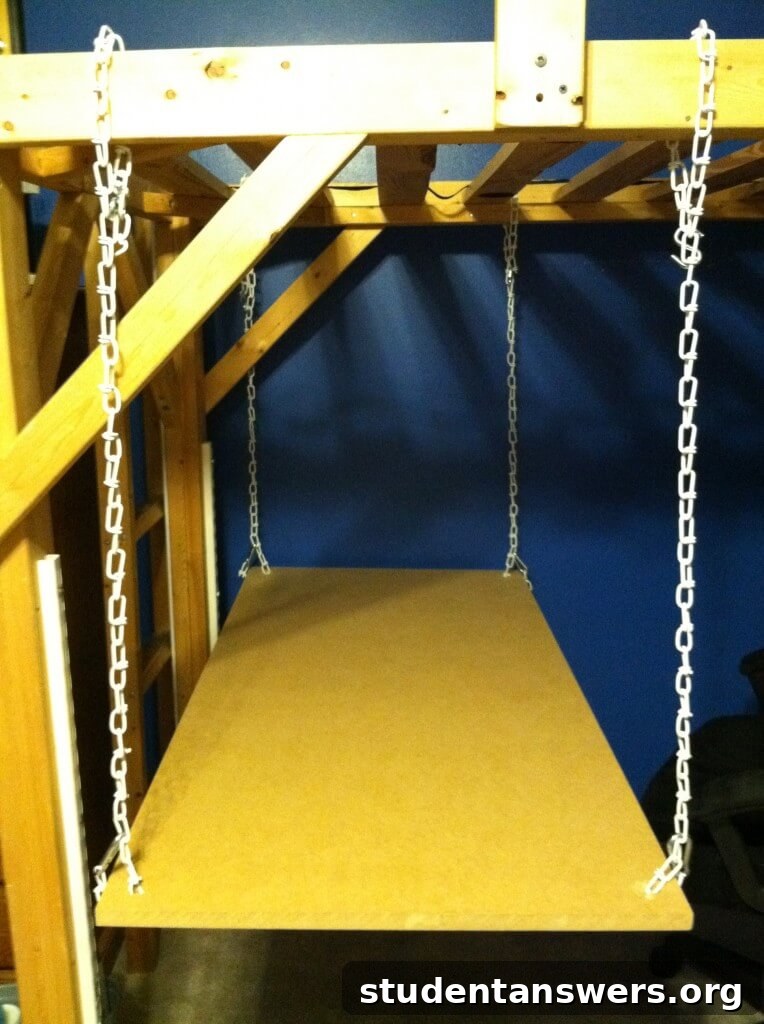
Now that the holes are drilled, it’s time to attach the chains. It’s much easier to do this while the board is on the floor. Loop one end of a chain through each hole from the top side. Secure the chain to itself underneath the board using an S-hook or a spring link. This creates a secure loop that will hold the desk’s weight. Once you’ve done this for all four corners, you should have what looks like a wooden board with four chain limbs.
Step 3: Prepare Your Loft Bed and Hang the Desk
To make the hanging process easier, clear everything off your loft bed, including the mattress. This gives you easy access to the bed frame. Now, begin hanging the desk. The most stable way to do this is to work diagonally. Attach one corner chain to the bed frame, then attach the chain on the diagonally opposite corner. After just two chains are attached, the desk will be suspended. Attach the remaining two chains to the frame using your S-hooks or spring links.

Step 4: Level and Adjust the Height
With the desk hanging, it’s time to get it perfectly level and at your desired height. The beauty of using chains is the ease of adjustment. Simply move the hooks up or down a link on each chain until the desk surface is perfectly level. You can use a level tool for precision or just eyeball it. This is where you decide if you want a sitting or standing desk height.
Step 5: Stabilize the Desk to Prevent Swinging
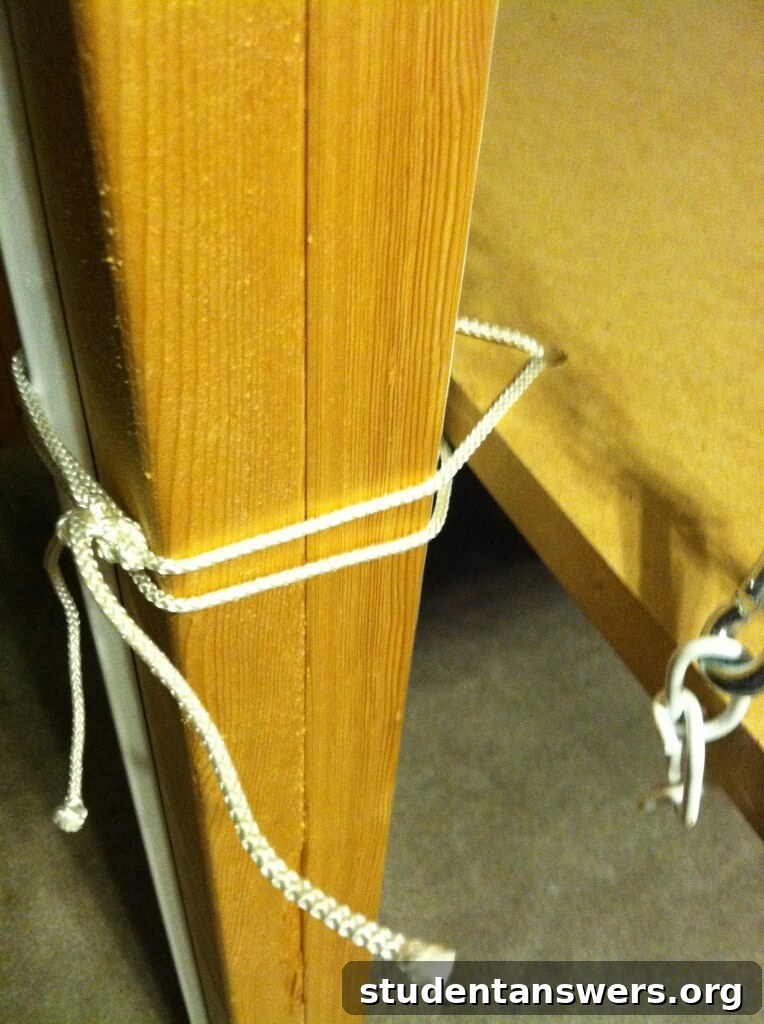
At this point, the desk is hanging, but it will swing freely, which is not ideal for a workspace. To fix this, you need to brace it against the vertical posts of your loft bed. Push the back edge of the desk firmly against the two bedposts. Now, drill one small hole in the desk surface just in front of each bedpost. Thread your rope through these holes and tie the desk tightly to each post. This simple step will eliminate almost all movement, creating a surprisingly sturdy and stable work surface.
Your Finished Workspace and Customization Ideas
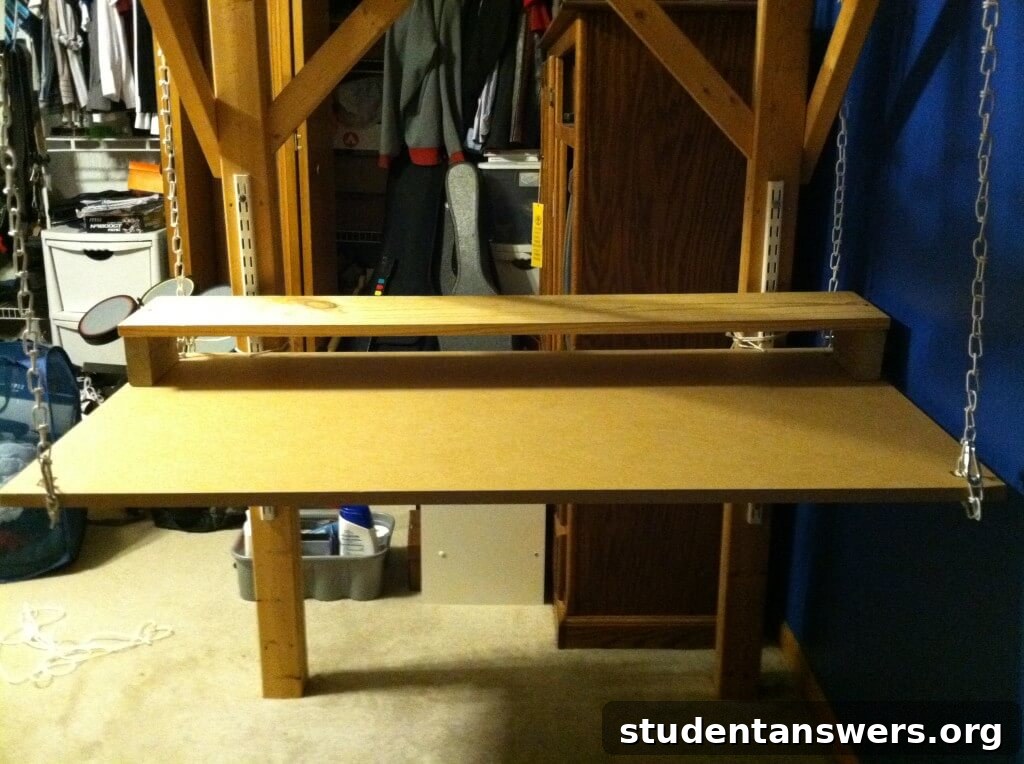
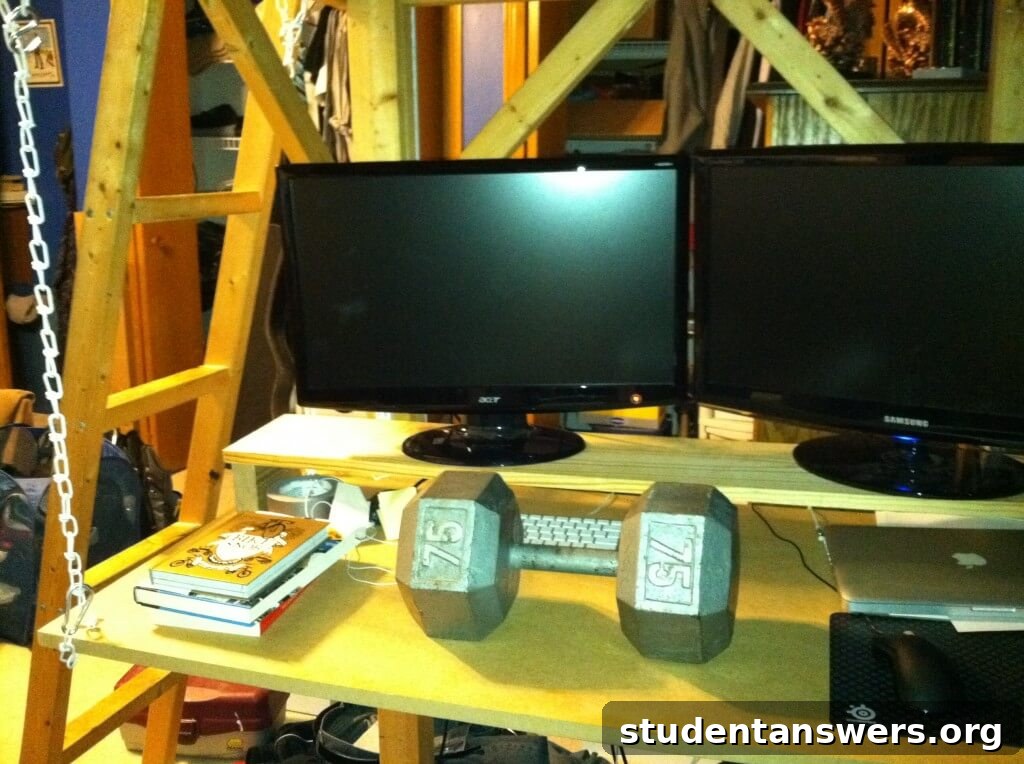
Congratulations, you’re done! You now have a stylish, functional hanging desk that maximizes your dorm room space. You can add a monitor shelf for better screen ergonomics or other organizers to complete your setup. Don’t be skeptical about its strength; if you’ve used the right materials, this desk can handle a heavy load without any issues.
Want to take it a step further? Here are a few customization ideas:
- Paint or Stain: Give your desk a personal touch by painting it your favorite color or applying a wood stain for a more classic look.
- Cable Management: Drill a larger hole in the back to run cables through for a clean setup. Use adhesive clips under the desk to keep wires tidy.
- Add Lighting: Attach an LED light strip under the loft bed frame above the desk for perfect task lighting.
This DIY hanging desk project is more than just a way to save space; it’s an opportunity to create a custom piece of furniture that perfectly fits your needs and style. Enjoy your new, spacious, and productive corner of the room!