
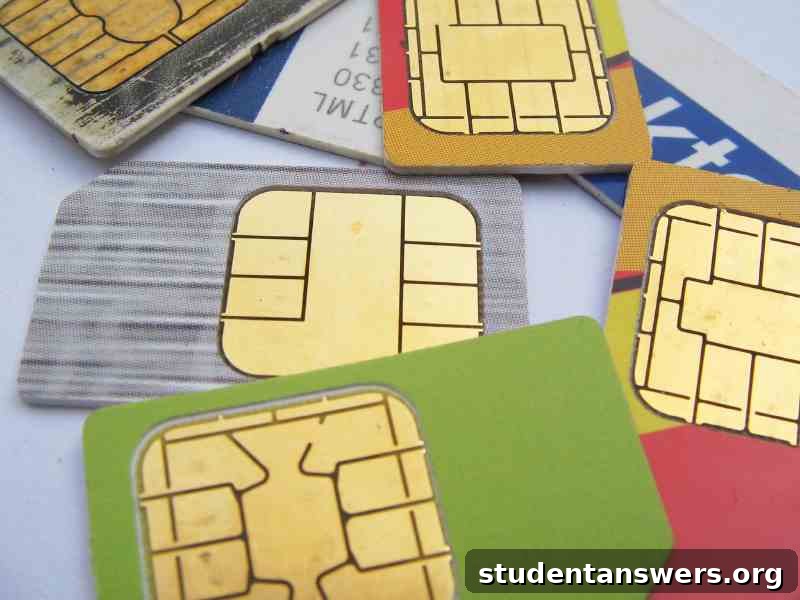
Your Complete Guide to Free SIM Cards: Save Money and Stay Connected
Unlock flexibility with a free SIM card.
In a world of lengthy contracts and mounting monthly bills, the idea of a “free” SIM card sounds incredibly appealing. For students, budget-conscious individuals, or anyone seeking more control over their mobile spending, a Pay As You Go (PAYG) SIM is a powerful tool. It allows you to top up with credit as needed, eliminating the fear of unexpected charges and the commitment of a 12 or 24-month contract. This approach puts you firmly in the driver’s seat of your mobile expenses.
But before you rush to order the first free SIM you see, it’s essential to understand the landscape. A “free” SIM card means the physical card is provided at no cost; you still need to pay for the calls, texts, and data you use. The key is finding a provider and a plan that aligns perfectly with your needs. This guide will walk you through everything you need to know to make an informed decision.
4 Crucial Factors to Consider Before Ordering a Free SIM Card
Choosing the right free SIM card goes beyond just picking a familiar brand. To ensure you get the best value and a reliable service, you must carefully evaluate a few key areas. Answering these questions will help you navigate the options and select a provider that truly works for you.
1. Network Coverage and Signal Strength
This is arguably the most important factor. A fantastic deal with unlimited data is completely useless if you can’t get a signal where you need it most. Before committing to a network, you must verify the quality of its coverage in your key locations: your home, your workplace or university, and any other areas you frequent. Most network providers offer an online coverage checker on their website. Use these tools to check the signal strength for calls, 3G, 4G, and 5G in your postcodes. Don’t just rely on the provider’s map; ask friends, family, or colleagues about their experiences with different networks in your area. Real-world feedback is often more valuable than a promotional map.
2. Bundles, Rewards, and Top-Up Perks
The real value of a Pay As You Go SIM often lies in the bundles and rewards offered when you top up. Don’t just look at the standard per-minute or per-megabyte rate. Instead, investigate what your credit can buy. Most providers offer monthly bundles that include a set allowance of minutes, texts, and data for a fixed price (e.g., £10 for 10GB of data, 500 minutes, and unlimited texts). Do these bundles match your typical usage? Some networks also offer compelling rewards for staying with them, such as data rollover (where your unused data from one month is added to the next) or loyalty bonuses. Consider whether the rewards are genuinely useful to you. Free texts are great, but not if you primarily use messaging apps like WhatsApp or Telegram.
3. Same-Network Calling and Community Perks
Do your closest friends and family members all use the same mobile network? If so, finding a provider that offers free or heavily discounted calls and texts to other users on the same network can lead to significant savings. This is a classic feature of many PAYG services and can make a huge difference if you spend a lot of time talking to a specific group of people. By aligning your network choice with your social circle, you can stretch your credit much further and stay connected for less.
4. Your Phone’s Compatibility: Is It Unlocked?
A free SIM card requires you to have a phone to put it in. If you bought your current phone as part of a contract with a specific provider (like Vodafone, EE, or O2), it may be “locked” to that network. This means it will not work with a SIM card from a different provider. Before ordering a new SIM, you need to check if your phone is unlocked. The easiest way to do this is to borrow a SIM card from a friend on a different network and see if it works in your phone. If it doesn’t, you’ll need to get your handset unlocked. You can usually do this by contacting your original provider, who may unlock it for free if you’ve completed your contract. Otherwise, you may have to pay a small fee to a third-party service.
The Pros and Cons of Pay As You Go Free SIM Cards
Like any choice, opting for a Pay As You Go SIM comes with its own set of advantages and disadvantages. Understanding these will help you decide if this flexible model is the right fit for your lifestyle and usage habits.
The Advantages (Pros)
- Complete Financial Control: The most significant benefit is the ability to manage your spending precisely. You can only spend the amount you top up, making it impossible to run up a surprisingly high bill. This is ideal for anyone on a tight budget.
- No Contract, No Commitment: You are not tied into a long-term agreement. If your circumstances change, or if a competitor offers a better deal, you are free to switch networks at any time without facing termination fees or penalties. This freedom is incredibly empowering.
- No Credit Checks: Since you are not borrowing money or entering a long-term financial agreement, providers do not need to perform a credit check. This makes PAYG SIMs accessible to everyone, including young people, students, or individuals with a poor or limited credit history.
- Simplicity and Ease of Use: Getting started is as simple as ordering a SIM online, inserting it into your phone, and topping it up. There is no complicated paperwork or direct debit setup required.
The Disadvantages (Cons)
- You Need Your Own Handset: Free SIM cards do not come with a new phone. You must already own a compatible and unlocked mobile phone. If you need a new device, you’ll have to purchase one outright, which can be a significant upfront cost.
- Potential for Higher Per-Unit Costs: For heavy users, the cost per gigabyte of data or per minute of calls on PAYG can sometimes be higher than on a monthly contract. Contract deals often offer larger allowances for a lower overall price, so you should analyze your usage before deciding.
- The Inconvenience of Topping Up: You can only make calls, send texts, or use data when you have credit. If your credit runs out at an inconvenient time, you could be left without service until you can top up again. While auto-top-up features can help, it’s still a factor to consider.
- Fewer Premium Perks: High-end monthly contracts sometimes include premium perks like free subscriptions to streaming services, phone insurance, or priority customer service. These benefits are rarely available with Pay As You Go plans.
Making the Smart Choice: Is a Free SIM Card Right for You?
A free SIM card on a Pay As You Go plan is an excellent choice for many people. It offers unparalleled control, flexibility, and freedom from long-term financial commitments. It is the perfect solution for students managing a budget, parents getting a first phone for their child, individuals who use their phone infrequently, or anyone needing a temporary or secondary phone number.
By carefully considering network coverage, comparing top-up bundles, checking your phone’s compatibility, and weighing the pros and cons, you can make a well-informed decision. The key is to match the provider’s offer with your personal usage habits. With the right choice, a free SIM card can be your ticket to a more affordable and flexible mobile experience.