
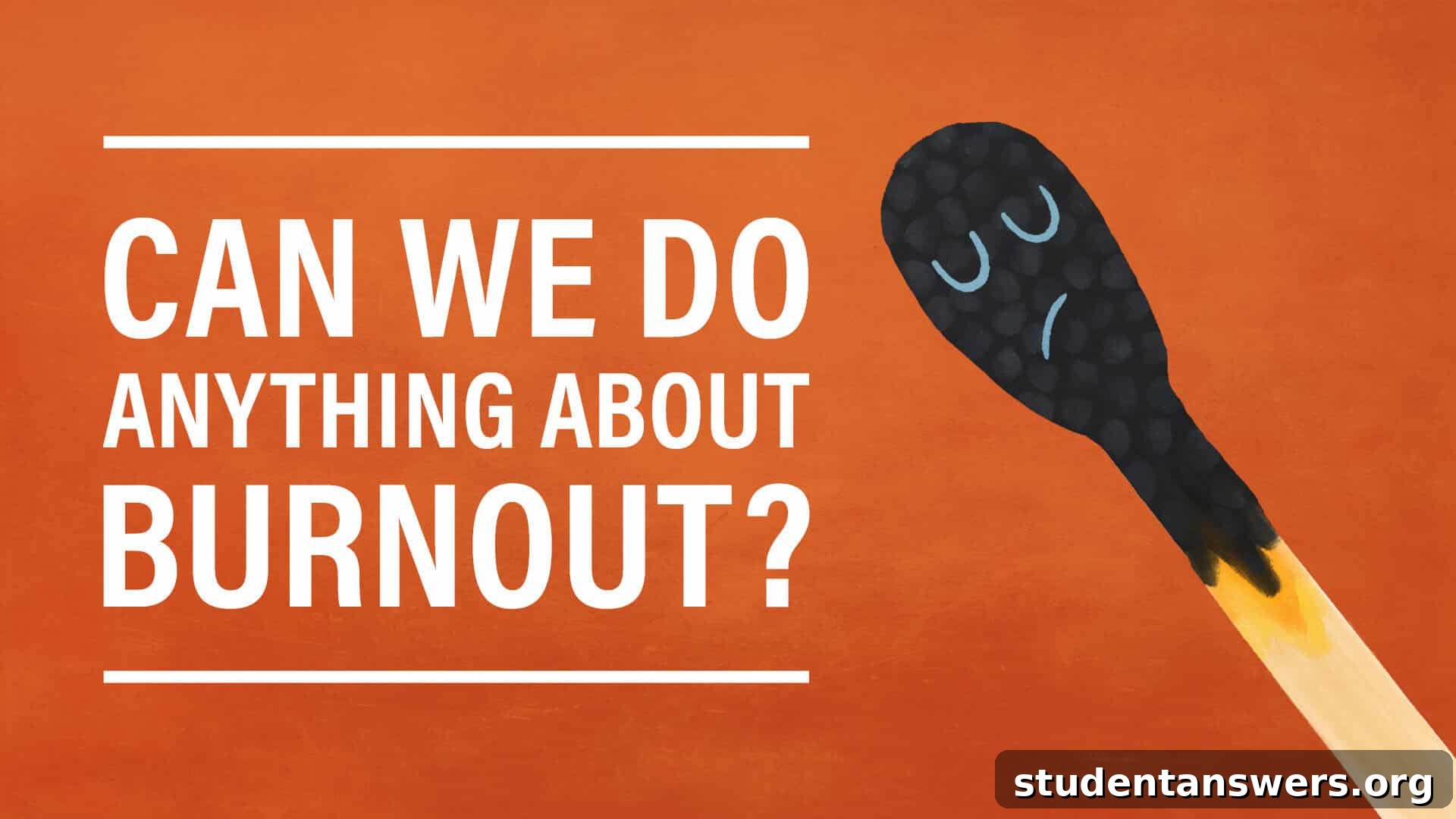
Are You Burning Out? How to Navigate the Pressures of Modern Life
We live in a world of profound contradictions. Technology promises us efficiency and freedom, granting us tools that should theoretically carve out more leisure time in our day. Yet, for many of us, the reality feels starkly different. Instead of liberation, we often feel more tethered, more overwhelmed, and more exhausted than ever before. It seems the 21st century, with all its advancements, has ushered in a unique and pervasive form of stress.
The constant stream of notifications, the never-ending to-do lists, and the societal pressure to be perpetually productive can transform every aspect of life into a chore. This isn’t just about having a busy schedule; it’s a deeper, more systemic issue that has been dubbed the “burnout generation.” But what is this phenomenon, really? Is it a new challenge, or are we simply more aware of a long-standing human struggle? This article delves into the modern zeitgeist of burnout, exploring its causes, symptoms, and most importantly, actionable strategies to reclaim your energy and well-being.
What Exactly Is Burnout? Defining the Modern Epidemic
Burnout is more than just feeling tired or stressed after a long week. The World Health Organization (WHO) officially recognizes it as an “occupational phenomenon” resulting from chronic workplace stress that has not been successfully managed. While the definition focuses on the workplace, its tendrils reach into every corner of our lives, affecting students, parents, and creatives alike.
It’s characterized by three main dimensions:
- Feelings of energy depletion or exhaustion: A profound sense of being physically and emotionally drained.
- Increased mental distance from one’s job, or feelings of negativism or cynicism related to one’s job: A growing sense of detachment and resentment towards your work or responsibilities.
- Reduced professional efficacy: The belief that you are no longer effective in your role, accompanied by a decline in accomplishment and productivity.
The key distinction between stress and burnout lies in duration and impact. Stress is often characterized by over-engagement, urgency, and hyperactivity. Burnout, on the other hand, is about disengagement, helplessness, and emotional exhaustion. If stress is like drowning in responsibilities, burnout is the feeling of being all dried up.
The Root Causes of Burnout in the 21st Century
Understanding why burnout has become so prevalent requires looking beyond individual choices and examining the cultural and economic shifts of our time. Several key factors contribute to this growing crisis.
The “Always-On” Culture
Smartphones and constant connectivity have blurred the lines between work and personal life. The expectation to be available 24/7—to answer emails at dinner, to take calls on vacation—creates a relentless pressure cooker. There is no longer a clear “off” switch. This environment makes it nearly impossible to fully disconnect and recharge, which is essential for long-term mental and emotional health. The relentless pace without adequate rest is a direct path to exhaustion.
The Productivity Paradox
We have an arsenal of tools designed to optimize every minute of our day. Calendars, project management apps, and life-hacking techniques promise a more efficient existence. However, this obsession with optimization can backfire. Instead of creating more free time, it often leads us to cram even more tasks into our schedules. Hobbies become “side hustles,” and rest is seen as a waste of potential. This mindset, as detailed in books like Deep Work by Cal Newport, robs us of the joy of unstructured time and the mental space needed for genuine creativity and relaxation.
The Passion Trap
The modern career mantra is “do what you love, and you’ll never work a day in your life.” While well-intentioned, this advice can be a trap. It creates an expectation that our work should be our ultimate source of fulfillment and identity. When the inevitable challenges, frustrations, and mundane tasks of any job arise, it can feel like a personal failure. As writer Mark Manson argues in his article “Screw Finding Your Passion,” this pursuit can lead to unrealistic expectations and immense pressure. The idea of crafting a valuable skill set first, as explored in So Good They Can’t Ignore You, offers a more sustainable path to career satisfaction without the risk of burning out your passions.
Economic Pressures and Uncertainty
For many, particularly millennials and Gen Z, the economic landscape is a significant source of chronic stress. As highlighted in the viral BuzzFeed News article, “How Millennials Became The Burnout Generation,” factors like student loan debt, the high cost of living, and job instability create a need to constantly be working and hustling just to stay afloat. The gig economy, while offering flexibility, often lacks the security and benefits of traditional employment, adding another layer of financial anxiety.
Recognizing the Signs: Are You Heading for Burnout?
Burnout is a gradual process. It doesn’t happen overnight. Recognizing the early warning signs is the first step toward preventing a full-blown crisis. Pay attention to shifts in your physical, emotional, and behavioral patterns.
- Physical Symptoms: Chronic fatigue, insomnia, frequent headaches or muscle pain, and a weakened immune system leading to more frequent illnesses.
- Emotional Symptoms: A sense of failure and self-doubt, feeling helpless or trapped, detachment, a loss of motivation, and an increasingly cynical or negative outlook.
- Behavioral Symptoms: Withdrawing from responsibilities, isolating yourself from others, procrastinating, using food, drugs, or alcohol to cope, and a noticeable drop in performance at work or school.
As YouTuber Hank Green discusses in his video on the topic, burnout can feel like a deep, unshakeable resentment toward the very things you once cared about. It’s a sign that your internal resources are dangerously depleted.
Actionable Strategies to Combat and Prevent Burnout
If you recognize these signs in yourself, don’t despair. There are concrete, practical steps you can take to reverse course and build a more sustainable way of living and working.
Redefine Productivity and Set Boundaries
True productivity isn’t about doing more; it’s about doing the right things effectively. This starts with setting firm boundaries. Define clear start and end times for your workday and stick to them. Turn off work notifications on your phone after hours. Learn to say “no” to commitments that overextend your capacity. Prioritize tasks that align with your core goals and be willing to let go of the rest. This isn’t laziness; it’s strategic self-preservation.
Embrace the Power of “Unoptimized” Time
Not every moment of your life needs to be productive. Schedule time for activities that are done purely for joy, with no goal of self-improvement or monetization. Read a novel, go for a walk without tracking your steps, learn an instrument badly, or simply do nothing at all. This “unoptimized” time is crucial for mental recovery. It allows your brain to rest and wander, which is often when the most creative insights occur. Give yourself permission to do things just for the fun of it.
Prioritize Your Physical and Mental Well-being
The foundations of resilience are built on basic self-care. Prioritize getting enough sleep, eating nutritious food, and engaging in regular physical activity. These are non-negotiable pillars of mental health. Additionally, consider incorporating mindfulness practices like meditation or journaling to manage stress. If feelings of burnout are overwhelming, seeking support from a therapist or counselor can provide you with tools and strategies to navigate the challenges you’re facing.
Seek Connection and Support
Burnout can be an incredibly isolating experience. It’s easy to feel like you’re the only one struggling. Reach out to friends, family, or trusted colleagues. Sharing your experience can lift a significant emotional burden and help you feel less alone. Building a strong support system provides a buffer against stress and reminds you that your worth is not defined by your productivity.
Conclusion: A Path Forward
Living in these paradoxical times doesn’t mean we are doomed to a state of perpetual burnout. While we may not be able to change the systemic pressures overnight, we can reclaim our agency by changing our relationship with work, productivity, and rest. It requires a conscious shift from a mindset of relentless optimization to one of sustainable well-being.
By defining our boundaries, embracing imperfection, prioritizing our health, and nurturing our connections, we can push back against the forces that lead to exhaustion. Burnout is not a personal failing; it is a signal that something in our environment and our approach to life needs to change. Heed that signal, take small, consistent steps, and begin the journey back to a more balanced and fulfilling life.