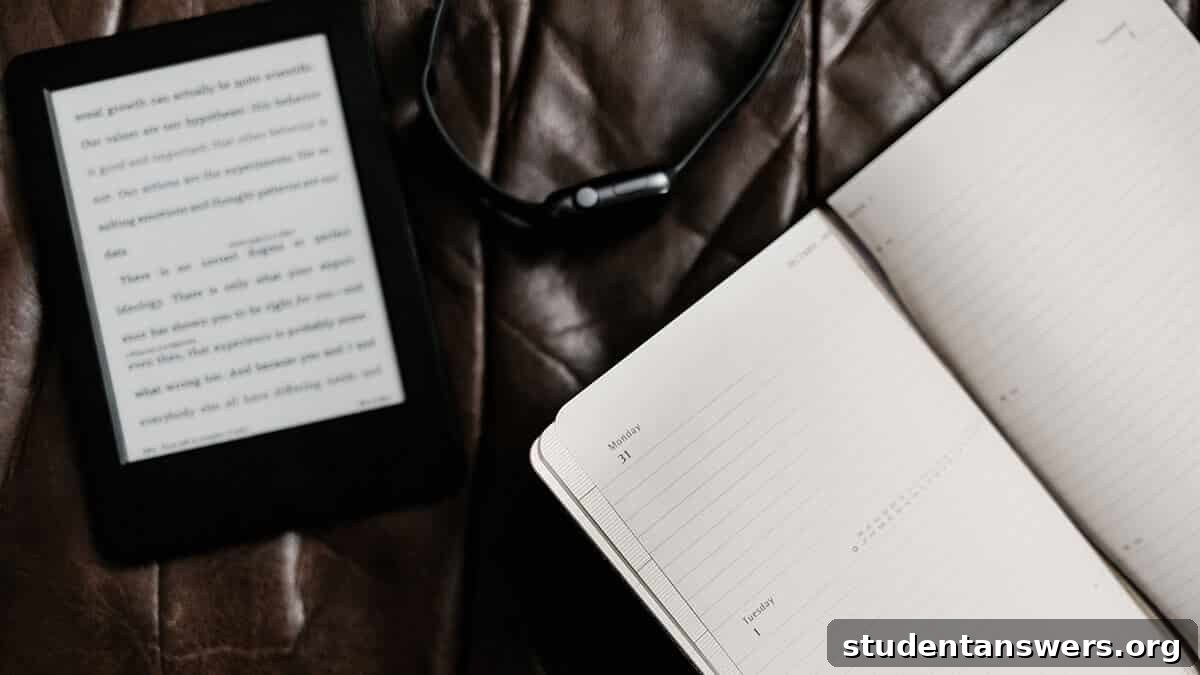
In the timeless world of literature, a modern debate is raging: What is the best way to read a book? For centuries, the answer was simple—the printed page. But today, we are spoiled for choice. Our libraries can live on feather-light e-readers, our favorite stories can be whispered to us through headphones, and the classic paperback still holds its undeniable charm. This abundance of options is a gift to readers everywhere, but it also brings a question: Physical books, digital ebooks, or immersive audiobooks? Does the format truly matter, and is one superior to the others?
This isn’t just a matter of preference; it’s about how we absorb information, the experience we seek, and the lifestyle we lead. Whether you’re a student trying to focus, a commuter looking to make the most of your travel time, or a minimalist aiming to declutter, the format you choose can significantly impact your reading journey. In this comprehensive guide, we’ll dive deep into the pros and cons of each format, helping you navigate this new literary landscape and choose the perfect medium for your needs.
The Timeless Appeal of Physical Books
Even with the rise of digital technology, the printed book remains a beloved icon. There’s something deeply satisfying about the weight of a book in your hands, the smell of old paper, and the visual progress of a bookmark moving through its pages. Despite predictions of their demise, physical books continue to thrive, offering a unique and cherished experience.
Pro: A Sanctuary from Digital Distraction
One of the most significant advantages of a physical book is its simplicity. To read it, you only need light. There are no batteries to charge, no software to update, and most importantly, no notifications to shatter your concentration. In a world saturated with digital noise, a printed book offers a rare opportunity for complete disconnection. It allows for deep, focused reading, where you can fully immerse yourself in the author’s world without the temptation of a quick email check or a social media scroll. This focused state is becoming increasingly valuable for comprehension and retention, making physical books a powerful tool for anyone seeking a true digital detox.
Pro: The Joy of Serendipitous Discovery
While online retailers use algorithms to suggest what you might like next, they can never replicate the magic of browsing a physical bookstore or library. Walking through aisles, you can stumble upon topics you never knew existed, discover a beautifully designed cover that catches your eye, or pick up a book simply because it feels right. This element of serendipity—the happy accident of finding something wonderful you weren’t looking for—is a unique benefit of physical spaces. They encourage exploration and broaden your horizons in ways that a personalized, algorithm-driven feed cannot.
Pro: A Tangible Connection to History
A physical book is more than just words on a page; it’s an artifact with its own history. A used book might contain inscriptions from a previous owner, faded highlights on a profound passage, or notes scribbled in the margins. These remnants create a connection to past readers and add a layer of history to your reading experience. Furthermore, a physical book invites you to add your own story. You can underline sentences, dog-ear pages, and make your own notes, creating a personal record of your thoughts and reactions that you can revisit years later. This tactile interaction fosters a deeper, more personal relationship with the text.
Con: The Challenge of Portability
The primary drawback of physical books is their size and weight. While carrying a single paperback is easy enough, traveling with multiple books can be cumbersome. If you’re a voracious reader on a long trip or have limited living space, building a large physical library is impractical. Unlike digital formats that can store thousands of titles on one slim device, physical books demand significant space and can be a burden to transport.
Con: The Delay in Gratification
When you decide you want to read a specific book, the digital world offers instant access. With a few clicks, an ebook or audiobook can be on your device and ready to enjoy. Physical books, however, require a trip to the store or waiting for a delivery to arrive. In our age of instant gratification, this delay can be a significant downside for readers eager to dive into their next story immediately.
Con: The Peril of Physical Damage
As physical objects, books are vulnerable. A spilled cup of coffee, an unexpected rainstorm, or a toddler with a crayon can cause irreparable damage. If you lose a physical book, it’s gone for good. While a well-made hardcover can be quite durable, it can’t compete with the resilience of a digital file backed up to the cloud, which is virtually immune to loss or physical harm.
The Unmatched Convenience of Digital Books (Ebooks)
The advent of e-readers like the Kindle revolutionized how we read. Digital books, or ebooks, offer a blend of traditional reading with modern technology, creating a powerful and flexible way to consume literature.
Pro: An Entire Library in Your Pocket
Portability is the standout feature of ebooks. A single, lightweight e-reader or tablet can hold thousands of books, effectively allowing you to carry your entire library wherever you go. This is a game-changer for frequent travelers, daily commuters, and anyone embracing a minimalist lifestyle. The ability to switch between a dense historical novel, a light-hearted fantasy, and a technical manual on the same device is an unparalleled convenience.
Pro: Unlocking Reading Through Accessibility
Digital books have broken down numerous barriers to reading. For readers with visual impairments, the ability to instantly adjust font size, change line spacing, and increase contrast is life-changing. Backlit screens allow for comfortable reading in any lighting condition, from a dark room to bright sunlight. Built-in dictionaries let you look up unfamiliar words with a simple tap, which is a fantastic tool for both native speakers and language learners. Furthermore, text-to-speech and screen reader compatibility make books accessible to those who are blind or have reading disabilities like dyslexia.
Pro: The Power of Search and Smart Notes
Finding a specific quote or passage in a physical book can mean flipping through hundreds of pages. With an ebook, you can search the entire text for a word or phrase in seconds. This feature is invaluable for students, researchers, and book club members who need to reference information quickly. Additionally, highlighting passages and making notes is clean and organized. Most platforms compile all your annotations into a single file, making it easy to review your key takeaways without revisiting every page.
Con: The Dependency on Power
The greatest strength of digital devices is also their greatest weakness: they require electricity. While e-reader batteries can last for weeks, they eventually need to be charged. If you’re on a long camping trip or simply forget your charger, your vast digital library becomes an unusable plastic brick. This dependency on a power source is a limitation that a simple paper book will never have.
Con: The Constant Battle Against Distraction
If you’re reading on a multi-purpose device like a smartphone or tablet, you’re just one tap away from a world of distractions. Notifications from social media, emails, and news apps can easily pull you out of your book and down a digital rabbit hole. Even dedicated e-readers with internet browsers present a temptation. To achieve the deep focus that physical books naturally encourage, you often need to be disciplined about turning off notifications and resisting the urge to multitask.
Con: The Clumsiness of Digital Annotation
While digital highlighting is neat, the process of annotating can feel clunky and restrictive compared to a pen and paper. Typing notes on a virtual keyboard is slower, and the highlighting tool isn’t always precise. You lose the freedom to draw diagrams, connect ideas with arrows, or scribble spontaneous thoughts in the margins. For readers who actively engage with their texts, the tactile and flexible nature of physical annotation is still superior.
The Freedom of Listening: Audiobooks
Audiobooks have transformed “reading” into an activity that can be integrated into almost any part of your day. Performed by talented narrators, they offer a unique and engaging way to experience stories.
Pro: Reading Without Limits: The Hands-Free Advantage
The most compelling benefit of audiobooks is their ability to free up your hands and eyes. You can “read” while driving, exercising, cooking, or doing household chores. This allows you to fit more books into your life by transforming mundane or inactive time into an opportunity for learning and entertainment. For busy individuals, audiobooks are an incredibly efficient way to stay well-read.
Pro: A Gateway to Accessibility for All
Like ebooks, audiobooks are a powerful tool for accessibility. They provide access to literature for individuals with visual impairments, dyslexia, or other disabilities that make reading printed text difficult. Moreover, a skilled narrator can bring a story to life, adding layers of emotion and characterization that can make complex texts more approachable and engaging for all types of learners.
Pro: An Immersive Tool for Language Mastery
For those learning a new language, audiobooks are an exceptional resource. Listening to a native speaker helps improve pronunciation, intonation, and listening comprehension. When you pair an audiobook with its corresponding physical or digital text, you can follow along, look up new words, and connect the written and spoken forms of the language. This multi-sensory approach can dramatically accelerate the learning process.
Con: The Constraints of Pace and Speed
A significant drawback of audiobooks is that you are bound to the narrator’s pace. While most apps allow you to speed up the playback, doing so can distort the audio and make it difficult to absorb complex information. Many people can read text much faster than a narrator speaks, making audiobooks a less efficient format for those looking to get through material quickly.
Con: What’s Lost in Translation: Missing Visuals
Audiobooks are not ideal for content that relies heavily on visual elements. Non-fiction books with important charts, graphs, maps, or illustrations lose a critical layer of information in an audio-only format. While some publishers provide a supplementary PDF, it’s often impractical to reference it while listening on the go. For highly visual or technical material, a printed or digital book is a better choice.
Con: The Multitasking Trap: A Risk to Comprehension
While multitasking is a key advantage of audiobooks, it can also be a pitfall. If the secondary activity you’re engaged in requires too much mental focus, your attention will be divided. It’s easy to tune out for a few minutes while navigating traffic or concentrating on a task, only to realize you’ve missed a key plot point or argument. To get the most out of an audiobook, it’s best to pair it with low-stakes, repetitive activities that don’t demand significant cognitive energy.
Physical vs. Digital vs. Audiobook: Which Format Wins?
After weighing the pros and cons, it’s clear that there is no single “best” book format. The ideal choice is not about which format is superior overall, but which one is right for you in a given situation. Each format excels in different areas and serves different needs.
For a focused, immersive, and distraction-free experience, the physical book is unmatched. For portability, convenience, and powerful accessibility features, the digital ebook is the clear winner. And for multitasking and fitting more reading into a busy schedule, the audiobook is the champion.
The ultimate goal is to read more and engage with ideas. The modern reading landscape allows you to be a hybrid reader, choosing the format that best suits your moment: a paperback for a quiet evening at home, an e-reader for your vacation, and an audiobook for your daily commute. The most important thing is to keep turning the pages—or pressing play.