Your Top Questions Answered: Networking, Reading Habits, and Building a Better Routine
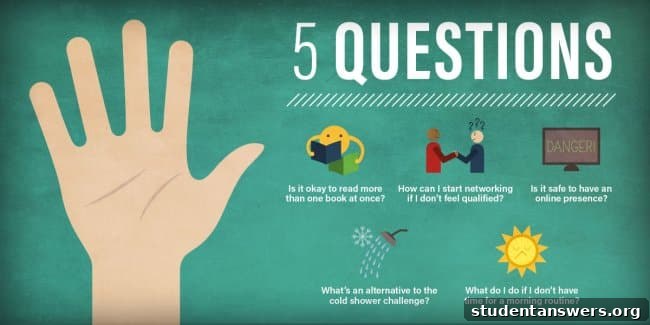
In our journey of self-improvement and personal growth, we often encounter the same hurdles. Whether you’re a student trying to ace your classes or a young professional navigating your career, the right strategies can make all the difference. We’ve gathered five of the most pressing questions from our community—spanning from building professional connections to mastering your daily habits. Let’s dive in and find practical solutions to help you unlock your full potential.
Juggling Books: The Art of Reading Multiple Books at Once
One of the most common questions we get from avid learners is: “Is it okay to read more than one book at a time?” The short answer is a resounding yes, but it comes with a few caveats. The key is to approach it strategically to avoid burnout and ensure you’re actually absorbing the material.
Reading multiple books simultaneously can be incredibly effective if you match the book to your context and mood. For instance, you could have:
- An audiobook or podcast for your commute or workout.
- A dense, non-fiction book for focused study sessions at your desk.
- A light fiction novel on your Kindle for winding down before bed.
- A book of short stories or essays for when you only have 10-15 minutes to spare.
This method, known as “context-based reading,” prevents the mental fatigue that can come from slogging through a single, challenging text. It keeps your mind fresh and engaged by allowing you to switch gears. However, the risk is that you might spread yourself too thin, lose the narrative thread of a complex story, or simply never finish anything. This is where the principle of Essentialism comes in—focus on what truly matters. If you find that juggling books leads to less completion, it might be better to stick to one or two at a time.
To manage your multi-book library effectively, consider using a tool like Goodreads to track your progress. This helps you remember where you left off and motivates you to keep going. The goal of reading is enjoyment and learning, not to turn it into a chore. Experiment with what works for you and don’t be afraid to put a book down if it isn’t captivating you at the moment. Your reading list should serve you, not the other way around.
Networking for Beginners: How to Connect When You Feel Unqualified
The thought of networking can be intimidating, especially when you feel like you have nothing to offer. This feeling is a classic symptom of Imposter Syndrome, the persistent belief that you’re not as competent as others perceive you to be. The good news is that effective networking isn’t about bragging about your qualifications; it’s about building genuine relationships and showing curiosity.
Instead of viewing networking as a transaction, reframe it as an opportunity to learn. People generally love to talk about their work and share their experiences. Your perceived lack of qualification is actually an asset—it makes you a blank slate, eager to listen and absorb knowledge.
Here are some actionable steps to start networking, even if you’re just beginning:
- Start with Your Current Circle: Talk to your professors, alumni from your school, or speakers at campus events. These individuals are already invested in helping students succeed and are often very approachable.
- Focus on Asking Good Questions: Prepare a few thoughtful questions before meeting someone. Instead of “Can you get me a job?”, try “What’s the most exciting project you’ve worked on?” or “What skills do you think are most important for someone starting in your field?”
- Leverage Online Platforms: LinkedIn is an essential tool. Create a clean, professional profile and start by connecting with classmates and professors. Follow industry leaders and companies you admire. Engage with their posts thoughtfully to build visibility.
- Offer Value, No Matter How Small: You might not have years of experience, but you have other assets. Perhaps you can volunteer at an industry event, share an interesting article with a new connection, or offer a fresh perspective on a problem. Even being an engaged and attentive listener is a form of offering value.
- Get Professional-Looking Cards: Even in a digital age, a simple business card can make a great impression. Services like Moo allow you to create affordable, high-quality cards with your name, contact information, and a link to your LinkedIn profile or personal portfolio.
Remember, every expert was once a beginner. By showing genuine interest and a willingness to learn, you can build a powerful network that will support you throughout your career.
Building Your Digital Footprint: Navigating an Online Presence Safely
In today’s world, not having an online presence can be a disadvantage. Recruiters and collaborators often use the internet to vet candidates. A well-curated digital footprint can showcase your skills, passion, and professionalism. However, the internet is also a public space, and it’s crucial to manage your presence safely and intentionally.
The first step is to be deliberate about what you share. Before you post anything, ask yourself: “Would I be comfortable with a future employer seeing this?” This simple filter can help you avoid potential pitfalls. It’s wise to keep highly personal or controversial opinions on private channels or offline entirely.
Here are some best practices for maintaining a safe and professional online presence:
- Google Yourself: See what comes up when you search your name. This is what recruiters will see. If there are old, embarrassing accounts or photos, do your best to delete them or adjust their privacy settings.
- Master Your Privacy Settings: Every social media platform has detailed privacy controls. Take 30 minutes to go through the settings on Facebook, Instagram, Twitter, and any other platform you use. Control who can see your posts, tag you in photos, and access your personal information.
- Use a Password Manager: One of the biggest online security risks is weak or reused passwords. A password manager like LastPass generates and stores strong, unique passwords for every site, dramatically increasing your security.
- Curate a Professional Profile: Choose one or two platforms, like LinkedIn or a personal blog, to be your professional hubs. Use a high-quality headshot and write a bio that highlights your skills and aspirations. Share content relevant to your field to demonstrate your interest and knowledge.
An online presence is a powerful tool for personal branding and career development. By being mindful and proactive about security, you can reap the benefits while minimizing the risks.
Beyond the Cold Shower: Practical Ways to Build Self-Discipline
The cold shower challenge is a popular method for building willpower. The idea is that by forcing yourself to do something uncomfortable every day, you strengthen your “discipline muscle.” While effective for some, it’s not the only way. The core principle is about consistently choosing long-term growth over short-term comfort. If icy water isn’t for you, there are many other powerful alternatives.
The key is to find small, repeatable actions that push you slightly out of your comfort zone. This concept is closely related to the famous Stanford marshmallow experiment, which highlighted the importance of delayed gratification for long-term success.
Here are some excellent alternatives to the cold shower for building self-discipline:
- The Two-Minute Rule: If a task takes less than two minutes to complete, do it immediately. This could be anything from answering an email to washing a dish or putting your clothes away. It fights procrastination and builds momentum.
- Digital Discipline: Our phones are a primary source of distraction. Challenge yourself to keep your phone in another room for the first hour of the day. Use an app like Forest to block distracting websites and apps during focused work sessions.
- Mindful Moments: Instead of a jolt of cold water, start your day with a jolt of mindfulness. Commit to meditating for 5-10 minutes each morning. This practice trains your brain to focus and resist the impulse to be distracted.
- Consistent Physical Activity: You don’t have to run a marathon. Commit to a simple, non-negotiable physical task each day, such as 15 push-ups, a 20-minute walk, or a short yoga routine. Using an app like Strava can help you track your progress and stay motivated.
- Make Your Bed: It may sound trivial, but making your bed every single morning is a “keystone habit.” It’s a small win that sets a productive tone for the rest of the day and reinforces the idea that you are someone who does what they set out to do.
The goal is consistency. Choose one or two of these habits and stick with them. Over time, you’ll find that your ability to tackle larger, more challenging tasks has grown significantly.
No Time for a Morning Routine? How to Win Your Day in 5 Minutes
We often see elaborate morning routines from successful people that involve journaling, meditation, exercise, and a gourmet breakfast—all before 6 AM. For a busy student or someone with a long commute, that can feel completely unrealistic. But a morning routine doesn’t have to be an hour-long ordeal. The purpose of a routine is to start your day with intention, not to add more stress to your schedule.
You can create a powerful, effective “micro-routine” that takes just five minutes. This routine is designed to ground you, hydrate you, and focus you for the day ahead, all before the chaos begins.
Here’s a sample 5-minute morning routine:
- Minute 1: Hydrate. Before you check your phone or even make coffee, drink a full glass of water. You’ve been dehydrating all night, and rehydrating first thing in the morning wakes up your body and brain. Keep a glass of water by your bed to make this effortless.
- Minute 2: Stretch. You don’t need a full yoga session. Simply reach your arms up to the ceiling, touch your toes, and do a few gentle neck rolls. This gets your blood flowing and releases the stiffness from sleep.
- Minute 3: Set Your Intention. While stretching, ask yourself: “What is the one most important thing I need to accomplish today?” Identify your top priority. This single act of focusing prevents you from being pulled in a dozen different directions by emails and notifications.
- Minute 4-5: Tidy One Thing. This goes back to the power of making your bed. Taking 60 seconds to straighten your duvet or clear your nightstand creates a sense of order and accomplishment. It’s a visual cue that you’re starting the day in control.
The most crucial part of any morning routine is what you *don’t* do: don’t grab your phone. The first few minutes of your day should be for you, not for reacting to the demands of the outside world. By implementing this simple 5-minute routine, you can set a positive and productive tone for your entire day, no matter how busy you are.
For more great tools and strategies to optimize your life, be sure to check out our complete Resources page.