
How to Stay Hydrated: The Ultimate Guide to Your Daily Water Needs
Water is the essence of life, a fundamental component for human survival and the key to unlocking peak physical and mental performance. You’re alive and reading this, which means you’re getting some water, but the critical question remains: are you getting enough? For decades, we’ve been bombarded with the ubiquitous “8 glasses a day” rule, a piece of advice so common it’s become an unquestioned truth. Some health gurus even push the limit, suggesting three or four liters daily, while others advocate for meticulous hourly sipping schedules.
With so much conflicting information, it’s easy to feel lost. How can you truly know if you’re properly hydrated? And more importantly, what’s the most effective way to maintain optimal hydration every single day? This comprehensive guide cuts through the noise and myths, providing a clear, science-backed approach to understanding and managing your body’s water needs. Let’s dive into everything you need to know about staying perfectly hydrated.
The Truth About the “8 Glasses a Day” Rule
Let’s start by addressing the most famous piece of hydration advice: the need to drink eight 8-ounce glasses of water per day. This guideline has circulated for generations, widely believed to have originated from a 1945 recommendation by the Food and Nutrition Board. The board suggested a daily intake of about 2.5 liters of water for adults.
However, a crucial piece of context was lost as this advice spread. The very next sentence of the original recommendation stated: “Most of this quantity is contained in prepared foods.” This completely changes the narrative. It means the 2.5 liters isn’t meant to come from pure water alone. Over the subsequent decades, no significant scientific evidence has emerged to support the rigid “8 glasses” mandate for plain water consumption.
In fact, a comprehensive research review published in the American Journal of Physiology in 2002 came to the same conclusion. The review highlighted that there’s no scientific basis for the “8×8” rule and noted that other beverages also contribute to our daily fluid intake. The study stated:
“This conclusion is supported by published studies showing that caffeinated drinks (and, to a lesser extent, alcoholic beverages like beer in moderation) may indeed be counted toward the daily total.”
Your food intake is also a significant source of hydration. The Mayo Clinic estimates that approximately 20% of our daily fluid intake comes from solid foods. This percentage can be even higher depending on your diet.

If your diet is rich in fresh fruits and vegetables like watermelon, cucumbers, and oranges, you’re getting a substantial amount of water from your meals. Conversely, a diet high in processed foods will require you to rely more heavily on beverages for hydration.
How Your Body Regulates Hydration Automatically
If a strict daily quota isn’t the answer, how much water do you actually need? The most accurate answer is: it depends. Your individual hydration needs are dynamic and influenced by a variety of factors, including your body weight, gender, climate, altitude, and, most significantly, your level of physical activity.

The good news is that you don’t need a complex formula or a spreadsheet to track these variables. Your body is equipped with a highly sophisticated and automatic system for maintaining optimal fluid balance, a state known as homeostasis.
When your body’s fluid levels begin to drop, it triggers the release of an antidiuretic hormone called vasopressin. This hormone signals your kidneys to conserve water by reabsorbing it back into the bloodstream instead of excreting it as urine. If this internal adjustment isn’t sufficient, your body activates its most noticeable alert system: thirst. The sensation of thirst is a powerful, primal signal compelling you to drink. You are biologically programmed to respond to it.
This brilliant internal system evolved over millennia when consistent access to water was never guaranteed. For this reason, the simplest and most effective strategy for most people is the Thirst Rule: When you feel thirsty, drink something.
If you want a quick visual check on your hydration status, the color of your urine is an excellent indicator. This simple self-assessment is used by athletes and medical professionals alike.
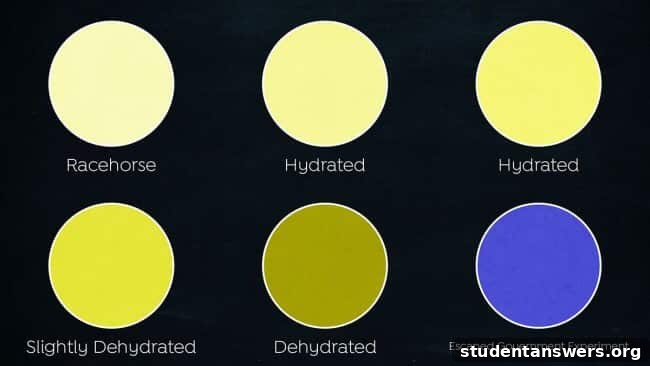
A pale, straw-like yellow color signifies you are well-hydrated. If it’s a solid yellow or darker, it’s a clear sign you need to drink more fluids. Anything darker is a strong indicator of dehydration.
More Than Just Water: Why Electrolytes Are Essential
While water is the star of the show, proper hydration isn’t possible without its essential supporting cast: electrolytes. An electrolyte is a mineral that carries an electric charge when dissolved in a fluid like water. In your body, these charged particles are vital for countless physiological functions.
Electrolytes help regulate nerve and muscle function, balance blood pressure, and repair damaged tissue. Critically for hydration, they are responsible for directing water to the areas where it’s needed most, enabling it to pass into your cells. Without adequate electrolytes, water would simply pass through your system without being properly absorbed.
The most important electrolytes for hydration include:
- Sodium: Helps maintain fluid balance and is crucial for muscle and nerve function.
- Potassium: Works with sodium to regulate fluids and supports heart function.
- Calcium: Essential for muscle contractions and bone health.
- Magnesium: Plays a role in over 300 biochemical reactions in the body, including energy production and muscle function.
So, do you need to meticulously track your electrolyte intake? For the vast majority of people, the answer is no. A balanced, whole-foods diet provides all the electrolytes your body needs. By eating plenty of fresh fruits, vegetables, lean proteins, and nuts, you will naturally replenish your electrolyte stores through your regular meals.
This also means that for typical exercise, sugary sports drinks are often unnecessary. While they contain electrolytes, their primary ingredient is often sugar, which can provide a quick energy boost but isn’t required for rehydration after a standard workout.
Exceptions to the Thirst Rule: When You Need to Be More Mindful
While the Thirst Rule is a reliable guide for over 99% of the population, there are specific situations where a more conscious approach to hydration is necessary.
1. Illness and Dehydration
When you are sick, particularly with illnesses that cause fever, vomiting, or diarrhea, you can lose fluids and electrolytes at a rapid rate. In these cases, your body can become dehydrated very quickly, and the thirst mechanism alone may not be enough to keep up. This is why doctors often recommend oral rehydration solutions, which are specially formulated to restore both fluids and essential electrolytes efficiently. If you are ill, always follow your doctor’s advice on fluid intake.
2. Intense Exercise and Endurance Sports
High-performance and endurance athletes are another key exception. People who engage in prolonged, intense physical activity—such as marathon runners, long-distance cyclists, and triathletes—lose significant amounts of fluid and electrolytes through sweat. For these athletes, simply drinking to thirst may not be sufficient to prevent performance-degrading dehydration.
However, the greater risk for this group is often not dehydration, but its dangerous opposite: hyponatremia. Also known as water intoxication, hyponatremia is a potentially life-threatening condition where the concentration of sodium in the blood becomes dangerously diluted. This is caused by drinking excessive amounts of water without adequately replacing the sodium lost through sweat.
An observational study of the 2002 Boston Marathon found that a startling 13% of runners tested had developed hyponatremia by the end of the race. This underscores the serious risk of overhydration in endurance sports. Unless you are engaging in strenuous activity for several hours, especially in the heat, your risk of hyponatremia is extremely low. For a standard gym session or a short run, drinking when thirsty is perfectly fine.
Simple, Effective Habits for Optimal Daily Hydration
Understanding the science is one thing; putting it into practice is another. Many of us experience what could be called “flow-state dehydration.” When deeply focused on work, studying, or a creative project, it’s easy to lose track of time and ignore your body’s subtle cues for hours on end. By the time you finally notice you’re thirsty, you might reach for coffee, juice, or soda instead of plain water.

While a single cup of coffee or juice won’t dehydrate you, the problem arises when these beverages consistently replace water. To combat this, you can adopt a few simple, proactive habits.
A powerful strategy is to set a simple, non-rigid goal. For instance, aim to finish one full reusable water bottle each day. This single goal, combined with other beverages you consume, can help ensure you stay on track without obsessive counting.
Making water easily accessible is another key habit. Keep a water bottle on your desk or in your bag at all times. Choosing a backpack with a dedicated water bottle holder makes it effortless to bring water with you wherever you go, reducing the temptation to buy less healthy options.

If you find plain water unappealing, try infusing it with natural flavors. Add slices of lemon, lime, cucumber, or a few sprigs of mint to make it more refreshing and enjoyable to drink throughout the day.
Your Simple Hydration Takeaway
Achieving optimal hydration doesn’t require complex calculations or rigid rules. It’s about listening to your body and building simple, sustainable habits. To summarize, here are the three core principles:
- Drink when you’re thirsty. Your body has a finely tuned system for telling you when it needs fluid. Trust it.
- Eat a balanced diet. Consume plenty of fruits, vegetables, and quality protein to ensure you’re getting the essential electrolytes your body needs for proper hydration.
- Prioritize water. Be mindful of your beverage choices. While other drinks contribute to hydration, make water your primary source of fluid to avoid excess sugar and calories.
By following these straightforward principles, you can confidently meet your body’s hydration needs, supporting your overall health, energy levels, and cognitive function every single day.