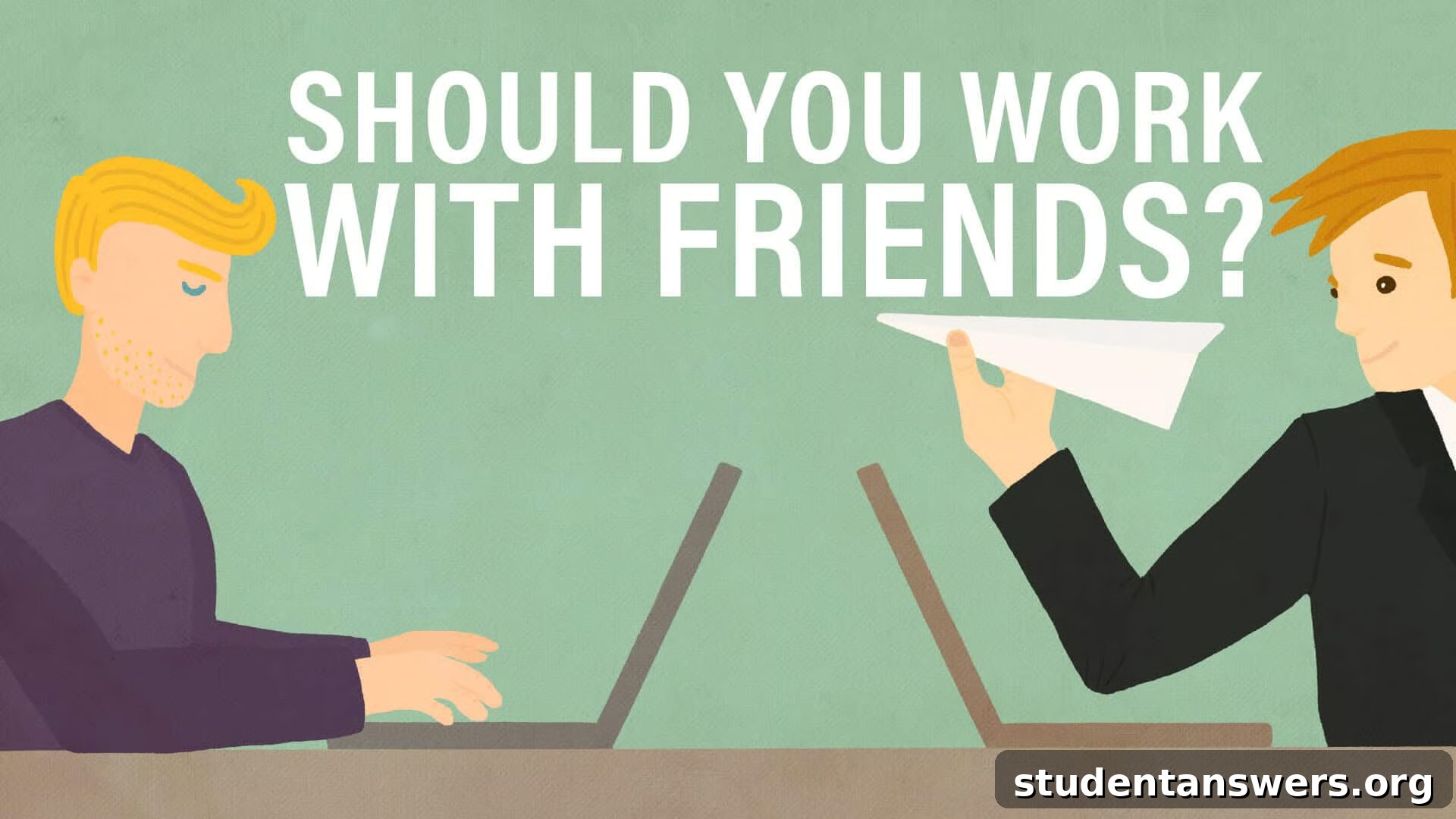
Working with Friends: A Survival Guide to Mixing Business and Friendship
There’s an old saying that echoes through countless cautionary tales: “Never mix business with friends.” It’s a piece of advice often born from experience, a warning that the potent combination of money, stress, and personal relationships can be explosive. A venture that starts with shared dreams and high-fives can easily devolve into resentment and radio silence, leaving you without a business and, worse, without a friend. But is this outcome inevitable?
While the risks are very real, the blanket statement that it can’t be done isn’t entirely true. Some of the world’s most successful companies were founded by friends who managed to navigate the treacherous waters of partnership. So, what separates the success stories from the disasters? Why have some partnerships, like my own with my co-host Thomas, thrived for years, strengthening both our business and our friendship, while so many others crumble?
The answer isn’t luck; it’s structure, communication, and a clear understanding of the challenges ahead. It requires treating the business relationship with the same seriousness you’d give to a legal contract, while simultaneously protecting the friendship that makes the partnership special. In this comprehensive guide, we’ll explore the common pitfalls of working with friends, share the strategies we’ve implemented to avoid them, and provide a practical blueprint for anyone considering embarking on this rewarding yet challenging journey.
Why Working With Friends Often Ends in Disaster
Before building a successful partnership, you must first understand the common points of failure. The enthusiasm of starting a new project with a friend can often blind you to the potential conflicts lurking beneath the surface. Ignoring these can lead to irreparable damage to both your business and your personal relationship.
The Peril of Unspoken Expectations
When you’re friends, you often operate on a foundation of informal understanding. You assume you know what the other person is thinking, what their work ethic is like, and what they expect from the venture. This is a critical mistake. Your friend might see the project as a fun side hustle, while you view it as your future career. One of you might expect a 50/50 split of the work and profits, while the other assumes roles will be divided based on effort and contribution over time. These unspoken, misaligned expectations are a breeding ground for resentment.
The Blurred Lines Between Friend and Colleague
How do you give critical feedback to your best friend without hurting their feelings? How do you hold them accountable for a missed deadline without sounding like a nagging boss? The dynamic shifts dramatically when a hierarchy, even a flat one, is introduced. It becomes difficult to have tough conversations about performance, money, or creative differences. This avoidance can lead to subpar work and simmering frustration that eventually boils over, damaging the friendship beyond repair.
Financial Friction: The Ultimate Friendship Killer
Money is the number one reason friend-run businesses fail. Disagreements over salary, profit sharing, reinvesting in the business, or personal expenses can turn even the closest friends into adversaries. A common scenario involves one partner feeling they are contributing more work or value but receiving the same compensation. Without a clear, pre-agreed financial framework, every monetary decision becomes a potential source of conflict.
The Blueprint for Success: How to Make It Work
Navigating these challenges is difficult, but not impossible. The key is to be proactive and intentional from day one. Thomas and I have been able to work together successfully by implementing a set of core principles that separate our roles as business partners from our identities as friends. Here is the framework we use.
1. Formalize Everything with a Partnership Agreement
This is the most crucial step. Do not rely on a handshake and good intentions. Before you write a single line of code, design a logo, or contact a client, sit down and create a formal operating agreement or partnership agreement. This document is your business’s constitution. It should clearly define:
- Roles and Responsibilities: Who is responsible for what? Define each person’s specific duties to avoid overlap and ensure accountability.
- Equity and Compensation: How will ownership be split? Is it an even 50/50, or is it based on initial investment or defined roles? How will you be paid? Will you take salaries, or will you split profits? Define this clearly.
- Decision-Making Process: How will major decisions be made? Does one person have the final say in certain areas (e.g., creative vs. financial)? What happens if there’s a deadlock?
- The Exit Strategy: This is the “business pre-nup.” What happens if one person wants to leave the business? How will their share be valued and bought out? What if the business needs to be dissolved? Planning for the end at the beginning is a sign of maturity, not distrust.
2. Master the Art of Professional Communication
You need to establish different modes of communication. You can’t just text your business partner about a critical financial issue the same way you’d send them a meme. We recommend setting up dedicated channels (like Slack or a specific email thread) for business talk. Schedule regular, formal meetings with a clear agenda. During these meetings, you are colleagues. This mental shift allows you to discuss difficult topics objectively and professionally. After the meeting, you can “clock out” and go back to being friends.
3. Set and Respect Firm Boundaries
The “always-on” nature of entrepreneurship is dangerous when your business partner is also your friend. You risk work bleeding into every social interaction. It’s vital to set boundaries. Agree on work hours. Decide that when you’re hanging out on a Saturday, you won’t discuss work unless it’s an absolute emergency. Protecting your personal time together is essential for preserving the friendship. You need to have a relationship that exists outside of spreadsheets and deadlines.
4. Handle Finances with Absolute Transparency
Open a separate business bank account from day one. All business-related income and expenses must go through this account. Use accounting software to track everything meticulously. Both partners should have full access and visibility into the company’s financial health. This transparency eliminates suspicion and builds trust. When it’s time to discuss salaries or reinvesting profits, the decisions are based on clear data, not on feelings or assumptions.
The Unique Advantages of Partnering With a Friend
While the risks are significant, it’s important to acknowledge why the idea is so appealing in the first place. When done right, working with a friend can offer unique advantages that you won’t find in a traditional business partnership.
- A Foundation of Trust: You start with a pre-existing level of trust and mutual respect that can take years to build with a stranger.
- Shared Vision and Passion: Friends often share similar values and a shorthand for communication, which can lead to a powerful and unified vision for the business.
- In-Built Support System: The entrepreneurial journey can be lonely and stressful. Having a friend in the trenches with you provides an unparalleled level of emotional support and motivation.
- It Can Be More Fun: Let’s be honest—building something meaningful with someone you genuinely enjoy spending time with can make the hard work and long hours feel significantly more rewarding.
Insights from Our Experience: Podcast Episode Details
In a recent podcast episode, we dove deep into this very topic, sharing personal stories of both failed and successful collaborations with friends. Below are the resources and a breakdown of the conversation for those who want to learn more.
Things Mentioned in This Episode:
This week’s episode is sponsored by:
- Audible: Get a free audiobook download, 2 free Audible originals, and a free 30-day trial by going to Audible.com/CIG or texting “CIG” to 500-500 on your phone.
- Skillshare: With thousands of courses in a wide range of different skills, Skillshare can help you take things to the next level. Get started with 2 free weeks of unlimited learning at Skillshare.com/geek.
Other things we mentioned in this episode:
- Turtles All the Way Down, by John Green
- Rationality: From AI to Zombies, by Eliezer Yudkowsky
- LessWrong
- Ali Abdaal on YouTube
- Ali Abdaal’s Final Cut Pro course on Skillshare
- Benjamin Heath’s Portrait Photography course on Skillshare
- CharityWatch
Want more cool stuff? You can find all sorts of great tools at my Resources page.
Timestamps:
- 0:02:30 – Occasions where working with friends didn’t go so well
- 0:19:18 – How we’ve managed to work together
- 0:29:03 – Sponsor: Audible (Listening to audiobooks)
- 0:33:42 – Sponsor: Skillshare (Learning new skills)
- 0:35:54 – Splitting benefits fairly
- 0:52:08 – Working with a significant other
- 1:08:41 – Conclusion
If you enjoyed this episode, subscribe to the podcast on iTunes! It’s easy, you’ll get new episodes automatically, and it also helps the show gain exposure 🙂 You can also leave a review!
Here’s an image for sharing this episode on social media: