
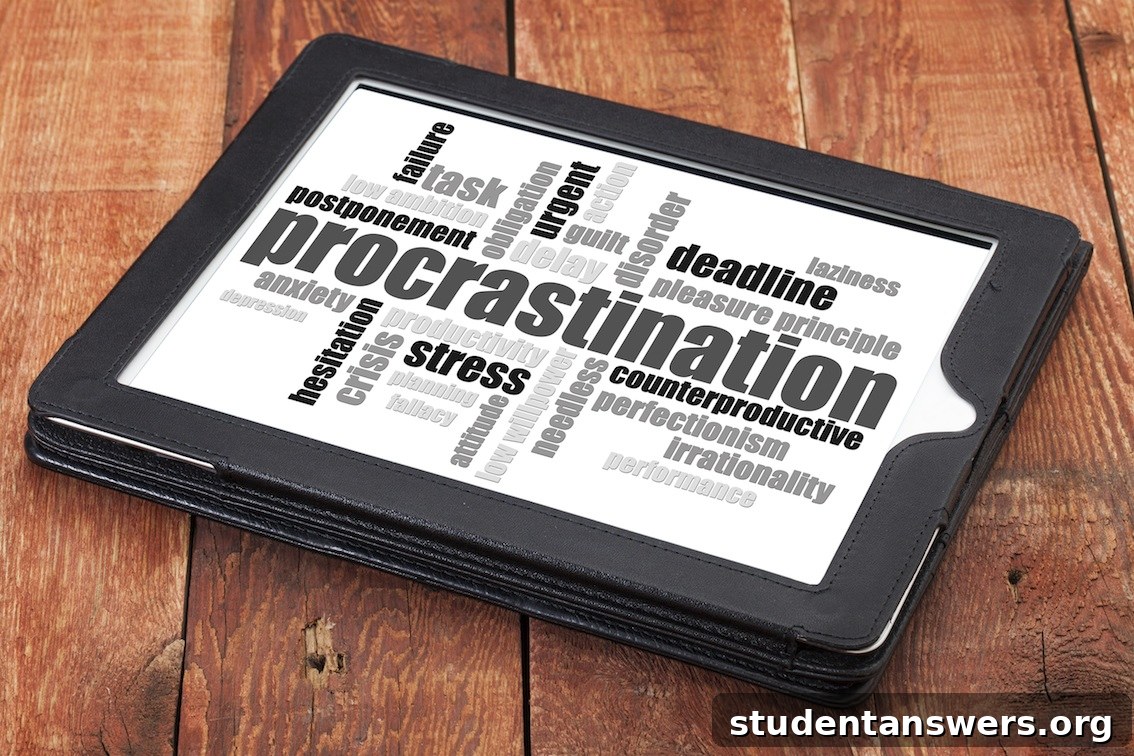
How to Stop Procrastinating: A Practical Guide to Getting Things Done
We’ve all been there. You have a list of important tasks: a looming project deadline, a crucial exam to study for, or even a personal goal you’ve been meaning to start for months. You know that tackling it now will save you stress and lead to a better outcome. Yet, you find yourself doing anything but that task. You might organize your desktop, scroll through social media, or suddenly decide it’s the perfect time to deep-clean the kitchen. This familiar dance is called procrastination, and it’s a universal human experience.
Imagine setting your alarm an hour early, fully intending to hit the gym for a morning workout. You know it’s good for your health, you know you’ll feel energized, and you’re certain your future self will thank you for it. But when the alarm blares, the warmth and comfort of your bed feel infinitely more appealing. A little voice whispers, “Just one more day off won’t hurt. I’ll start tomorrow.” Before you know it, “tomorrow” becomes next week, and the gym membership gathers dust. This pattern of choosing immediate comfort over long-term benefit is the very essence of procrastination, and it can affect every area of our lives, from our careers and education to our health and finances.

Understanding the Procrastination Puzzle: Why We Delay
Procrastination isn’t simply a matter of laziness or poor time management. It’s a complex psychological response, often rooted in our emotions. We delay tasks not because we don’t want to do them, but because the thought of doing them brings up negative feelings. Understanding these underlying causes is the first step toward overcoming this habit.
Several emotional triggers can lead to procrastination:
- Fear of Failure: When a task is tied to our sense of self-worth, the fear of not doing it well enough can be paralyzing. We think, “If I don’t try, I can’t fail.” This is especially common with perfectionists, who would rather submit nothing at all than something they deem imperfect.
- Feeling Overwhelmed: Large, complex projects can feel like insurmountable mountains. When we look at the entire task at once—like “write a 20-page research paper”—our brains shut down. The sheer scale of it makes it impossible to know where to begin, so we don’t begin at all.
- Task Aversion: Sometimes, the task is just plain unpleasant, boring, or difficult. Whether it’s filling out tedious paperwork, making a difficult phone call, or studying a subject you dislike, our natural inclination is to avoid discomfort. We opt for the immediate gratification of a more enjoyable activity instead.
- Decision Paralysis: In a world of infinite choices, sometimes having too many options can lead to inaction. Deciding which topic to write about, which workout routine to follow, or even which email to answer first can be so mentally taxing that we choose to do none of them.
The Vicious Cycle of Putting Things Off
Procrastination operates in a self-perpetuating cycle that can be difficult to break. It starts with a task you need to complete, but instead of starting, you delay. This initial delay provides a fleeting sense of relief. You’ve dodged the unpleasant feeling associated with the task, and for a moment, you feel better. However, this relief is temporary.
As the deadline approaches, the initial relief is replaced by a growing sense of guilt, anxiety, and stress. The task hasn’t gone away; it’s just been looming in the back of your mind, causing low-grade panic. This pressure eventually forces you into a last-minute frenzy of activity. You might pull an all-nighter or rush through the project, which often leads to subpar work and even more stress. After the task is finally done, you might feel a mix of exhaustion and relief, often promising yourself, “I will never do that again.” But because the underlying emotional triggers haven’t been addressed, the cycle is likely to repeat itself with the next major task.
The Single Most Effective Trick to Beat Procrastination
While understanding the psychology is important, you need a practical tool to break the cycle. There are many complex productivity systems, but the most powerful strategy is deceptively simple and requires no special apps or planners. It’s a mental switch that can change everything.
When you are faced with a task you know you should be doing, but you just don’t feel like it, do it immediately for just a few minutes.
That’s it. The trick is to bypass your brain’s elaborate excuse-making machinery. Don’t give yourself time to debate, rationalize, or weigh the pros and cons. Don’t wait for a surge of motivation to strike, because it rarely will. Motivation is not a prerequisite for action; rather, action creates motivation. Once you begin, the momentum starts to build, and the task often feels less daunting than you imagined.
Your brain is incredibly skilled at creating compelling reasons to delay. It will tell you that you’re too tired, that you’ll be more creative tomorrow, or that you need to do something else first. By acting instantly, you rob your brain of the opportunity to engage in this internal negotiation. The key is to never let the debate begin.
Actionable Strategies to Build Lasting Habits
Pairing this immediate-action mindset with other proven techniques can solidify your new, productive habits. Here are some strategies to help you stop procrastinating for good.
1. The 5-Minute Rule
This is the practical application of our core trick. Tell yourself you will work on the task for just five minutes. Almost anyone can convince themselves to do something for five minutes. Set a timer and start. More often than not, you’ll find that once you’ve started, it’s easy to keep going. The initial inertia is the hardest part to overcome, and this rule smashes through it.
2. Break It Down into Smaller Steps
To combat feeling overwhelmed, take your large, intimidating project and break it down into small, concrete, and manageable steps. Instead of putting “Finish Report” on your to-do list, break it down like this:
- Research Topic A (30 minutes)
- Create an outline for the report
- Write the introduction section
- Gather data for the main body
Each small item is far less daunting, and checking them off provides a sense of accomplishment that fuels further motivation.
3. Time Blocking and the Pomodoro Technique
Structure your day by scheduling specific blocks of time for your important tasks. This is known as time blocking. A popular method within this framework is the Pomodoro Technique. You work in focused 25-minute intervals, separated by 5-minute breaks. After four intervals, you take a longer break. This method prevents burnout and makes it easier to stay focused on even the most tedious tasks.
4. Create a Distraction-Free Environment
Modern life is filled with distractions designed to capture our attention. To give yourself the best chance of success, proactively manage your environment. Put your phone in another room or use an app to block distracting websites. Close unnecessary tabs on your browser. Find a quiet space where you are less likely to be interrupted. By reducing the friction to start and increasing the friction to get distracted, you make productivity the easier choice.
5. Forgive Yourself and Move Forward
Guilt is a non-productive emotion. Beating yourself up over past procrastination only reinforces the negative feelings associated with the task, making you more likely to avoid it in the future. Acknowledge that you delayed, forgive yourself, and refocus on what you can do right now. Every moment is a new opportunity to make a better choice.
Conclusion: Your Journey Starts Now
Overcoming procrastination is not about becoming a perfect, hyper-productive machine. It’s about understanding your own patterns, managing your emotions, and building a system that makes it easier to do the things that matter to you. The journey begins not with a grand plan or a sudden burst of inspiration, but with a single, small action.
The next time you find yourself about to put something off, remember the core principle: don’t think, just start. Open the document. Put on your running shoes. Write one sentence. By taking that first immediate step, you are proving to yourself that you are in control. Action is the antidote to anxiety, and momentum is your greatest ally. Seize this moment and take the first step toward reclaiming your time and achieving your goals.