

YNAB Review: The Budgeting App That Actually Changes Your Habits
For years, I believed that budgeting was a chore meant for someone else—someone more organized, more disciplined, or just better with numbers. I dabbled with popular budgeting software like Mint and even tried to wrangle my finances in a complex spreadsheet. But the story was always the same. I’d either forget to update my numbers or grow tired of the app simply reminding me how much I’d overspent last month. Budgeting felt like a great idea in theory, but in practice, it just didn’t click for me.
So, when a colleague suggested I explore You Need a Budget (YNAB), my skepticism was high. “Another life-changing personal finance app,” I thought sarcastically. However, after committing to YNAB, I’m here to report that it’s genuinely different. This app has provided a sense of control and optimism about my money that I’ve never experienced before. It’s a proactive tool, not just a reactive report card.
I’m now convinced that with the right approach, budgeting can be a transformative tool for almost anyone. If you’ve struggled to get a handle on your finances or felt that other methods have let you down, YNAB might be the solution you’ve been searching for. This comprehensive YNAB review will explore its unique methodology, its powerful benefits, and its potential drawbacks to help you decide if it’s the right fit for your financial journey.
Why Most Budgeting Apps Fail (And How YNAB is Different)
Before using YNAB, I couldn’t articulate why apps like Mint or Personal Capital never led to lasting change for me. On the surface, they offer everything you could want: a consolidated view of all your accounts and detailed spending reports. They promise to put you in control by giving you access to all this data.
The reality, however, was quite different. I’ve come to realize that these apps are excellent at *tracking* your past spending, but they do little to influence your *future* behavior. They are reactive, not proactive. My typical experience went something like this:
- At the end of the month, the app would generate a report showing my spending.
- I’d look at it and think, “Wow, I spent way too much on dining out again.”
- A wave of guilt would wash over me, which I would promptly ignore as I continued my old habits.
To be clear, this isn’t to say that tracking apps are useless. For many people, they provide valuable insights. But if you’re looking for a system that actively helps you change your relationship with money, you need more than just data. YNAB offers a fundamentally different philosophy. It’s a forward-looking method that empowers you to make conscious decisions *before* you spend, rather than just analyzing your choices after the fact.
How YNAB Works: A Deep Dive into the Four-Rule Method
YNAB’s effectiveness is rooted in its simple yet powerful four-rule methodology. Understanding these rules is key to grasping why the app is so different from its competitors. Instead of just tracking where your money went, you create a detailed plan for where your money will go.
Rule One: Give Every Dollar a Job
This is the core concept of YNAB, also known as zero-based budgeting. When you receive income, you don’t just let it sit in your account. You must assign every single dollar to a specific category. Some dollars will be assigned to immediate obligations like rent and utilities. Others will go toward variable expenses like groceries or transportation. You’ll also assign dollars to long-term goals, like saving for a vacation or paying off debt. This process ensures that you are making intentional choices with all of your money.
Rule Two: Embrace Your True Expenses
Life is full of large, infrequent expenses: annual insurance premiums, holiday gifts, car repairs, or yearly subscriptions. These “true expenses” can wreck a monthly budget if you’re not prepared. YNAB encourages you to treat them like monthly bills. You create categories for them and contribute a small amount each month. For a $600 car insurance premium due in six months, you’d budget $100 each month. When the bill arrives, the money is already set aside, eliminating financial stress.
Rule Three: Roll With the Punches
No budget is perfect. Life happens, priorities shift, and unexpected costs arise. Traditional budgets often break the moment you overspend in one area, leading to frustration and abandonment. YNAB’s approach is flexible. If you overspend on groceries, the app requires you to cover that overspending by moving money from another category, perhaps from “entertainment” or “clothing.” This isn’t a failure; it’s a conscious reprioritization. This rule teaches you to adapt without derailing your entire financial plan or resorting to debt.
Rule Four: Age Your Money
This rule is your path to breaking the paycheck-to-paycheck cycle. YNAB tracks a metric called “Age of Money,” which tells you how long, on average, your dollars sit in your account before you spend them. The goal is to increase this number to 30 days or more. When you reach this milestone, you are officially living on last month’s income. This buffer provides incredible financial security and peace of mind, as you’re no longer waiting anxiously for your next paycheck to cover your bills.
Key Benefits: Our In-Depth YNAB Review Pros
YNAB offers a host of benefits that go far beyond simple expense tracking. These features work together to create a powerful system for financial management.
Achieve Total Financial Control with Zero-Based Budgeting
The “Give Every Dollar a Job” rule is a psychological game-changer. By actively assigning your income to specific purposes, you eliminate the guesswork and ambiguity that often surrounds personal finance. The uncertainty between your checking account balance, credit card statement, and upcoming bills disappears. This clarity reduces financial stress and, surprisingly, makes engaging with your budget an enjoyable and empowering experience rather than a dreaded chore.
A Flexible System That Holds You Accountable
YNAB brilliantly combines accountability with flexibility. Every transaction must be categorized, forcing you to confront your spending decisions. When you inevitably overspend in a category, the app doesn’t just show you a red warning. It makes you actively solve the problem by moving funds from another area. This “Roll With the Punches” approach ensures two things: first, you don’t spend more money than you have, preventing debt. Second, your budget remains a living, useful document that adapts to your real life, rather than a rigid plan that breaks at the first sign of trouble.
Cultivate Financial Mindfulness and Curb Impulsive Spending
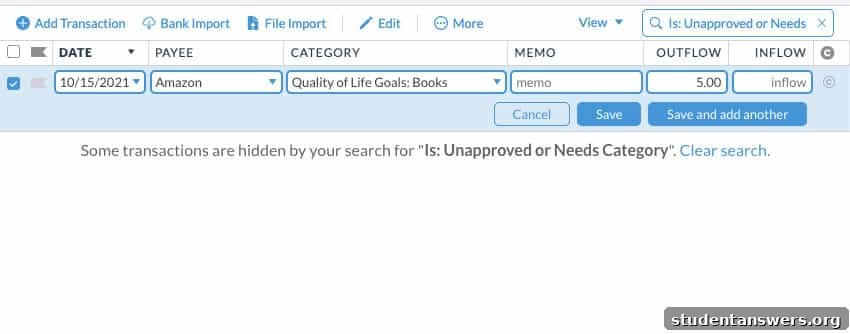
While YNAB can automatically import transactions from linked bank accounts, many users find immense value in manual entry. The simple act of logging every purchase on your phone creates a crucial pause between the impulse to buy and the actual transaction. Knowing you have to record that $5 coffee or that online purchase is often enough to make you reconsider whether it aligns with your financial goals. This practice has a profound effect on your awareness, transforming mindless spending into conscious, deliberate choices. You start asking, “Do I want this more than I want to fund my vacation goal?”
Master Your Credit Cards and Escape the “Float”
YNAB handles credit cards in a uniquely brilliant way. When you make a purchase on a credit card, YNAB automatically moves the cash from the spending category (e.g., “Groceries”) to a dedicated “Credit Card Payment” category. This means you always have the cash set aside to pay off your new spending. This system helps you break free from the “credit card float,” where you use this month’s income to pay for last month’s credit card spending. By forcing you to budget only with the cash you have now, YNAB ensures you use credit cards as a convenience tool, not as a loan.
The Downsides: Our Honest YNAB Review Cons
While we are overwhelmingly positive about YNAB, it’s not a perfect solution for everyone. Here are some potential drawbacks to consider.
The Initial “Reality Check” Can Be Tough
YNAB demands complete honesty about your spending. When you first start, you’ll be forced to confront the real numbers behind your financial habits. This can be a jarring and uncomfortable experience for some. If you prefer a more passive, less-detailed overview of your finances, the raw transparency of YNAB might feel overwhelming. However, this dose of reality is precisely what’s needed to spark meaningful change.
There’s a Definite Learning Curve
Because YNAB’s philosophy is different from other apps, there is a learning curve. Understanding concepts like “Age of Money” and how to properly handle credit card payments takes time and effort. The app provides a guided setup, but it may take a few weeks of consistent use for the methodology to truly “click.” The good news is that YNAB offers a generous 34-day free trial, which is ample time to overcome the initial hump and see its benefits firsthand.
It’s a Premium App with a Subscription Fee
Unlike free apps like Mint, which make money by recommending financial products, YNAB operates on a subscription model. The current pricing is $14.99 per month or a more economical $98.99 for an annual plan. While this cost can seem like a downside, most users find that the savings generated from mindful spending far exceed the subscription fee. If the app helps you avoid just one or two impulse purchases or restaurant meals per month, it has already paid for itself.
It’s a Budgeting Tool, Not an Investment Tracker
YNAB is laser-focused on one thing: helping you manage your cash flow through proactive budgeting. It is not designed to track the performance of your investments. While you can manually add your investment accounts to see your total net worth, you won’t find any portfolio analysis or retirement planning tools. For those features, you’ll need a dedicated service like Personal Capital. YNAB’s strength lies in helping you free up more money to *invest*, but it stops there.
Final Verdict: Is YNAB the Right Budgeting App for You?
After extensive use, we can enthusiastically recommend You Need a Budget to anyone who is serious about gaining control over their finances, reducing money-related stress, and building long-term wealth. YNAB is more than just software; it’s a financial education and a new way of thinking about money.
However, YNAB is not for everyone. If you’re looking for a free, hands-off app that simply tracks your past spending, or if your primary need is investment tracking, then you might be better served by other platforms.
But if you are ready to put in the effort, confront your habits, and build a proactive, flexible plan for your money, YNAB is an unparalleled tool. It empowers you to stop living paycheck to paycheck, get out of debt, and start funding the life you truly want. The clarity and peace of mind it provides are well worth the subscription fee and the initial learning curve.
Image Credits: jar of coins