
From Personal Websites to Mental Toughness: Expert Answers to Your Pressing Questions
Welcome to a deep dive into some of the most common yet crucial questions that students and young professionals face today. From navigating the digital world to building inner strength, the challenges are as diverse as they are significant. We’ve gathered five essential questions that pop up time and again, and we’re here to provide clear, actionable, and comprehensive answers. Whether you’re about to start college, looking to improve your resilience, or considering a major career move, this guide will provide the clarity you need to move forward with confidence.
Our goal is to break down complex topics into simple, manageable advice. We’ll explore the strategic benefits of building an online presence early, uncover practical techniques for developing mental fortitude, and offer a roadmap for everything from digital detoxing to acing a high-stakes oral exam. Let’s get started.
Is It Too Early to Start a Personal Website Before College?
This is a fantastic question, and the short answer is a resounding no. It’s never too early to start building your personal brand and creating a central hub for your accomplishments. In fact, starting a personal website before you even set foot on campus can give you a significant advantage. Think of it not as a final resume, but as a dynamic, evolving portfolio that grows with you.
Why a Personal Website is a Powerful Tool for Students
In today’s digital-first world, your online presence often precedes you. A personal website allows you to control that narrative. Instead of letting scattered social media profiles or a generic LinkedIn page define you, you can create a professional, curated space that showcases who you are and what you can do. Here are the key benefits:
- A Hub for Your Work: It’s the perfect place to host your portfolio, whether that includes writing samples, art projects, coding assignments, or research papers. It’s a living document of your skills and accomplishments.
- Stands Out for Admissions and Internships: Including a link to your personal website on college applications, scholarship forms, or internship applications can make you memorable. It shows initiative, technical literacy, and a serious commitment to your personal and professional development.
- Develops Valuable Skills: The process of building a website, even with user-friendly tools like Squarespace or Wix, teaches you about design, content strategy, writing for an audience, and basic SEO. These are highly marketable skills in any field.
- Builds a Professional Network: A website with a clear contact form makes it easy for professors, mentors, and potential employers to connect with you. It acts as your digital business card.
Getting Started: A Simple Three-Step Plan
You don’t need to be a coding expert to get started. Here’s a simple approach:
- Secure Your Domain: Purchase a domain name, ideally your own name (e.g., JaneDoe.com). This is a small investment that pays huge dividends in professionalism.
- Choose a Platform: Start with a simple, intuitive platform. Carrd is great for one-page sites, while Squarespace, Wix, or WordPress offer more robust options that can grow with you.
- Add Core Content: Begin with the essentials: a brief “About Me” page, a portfolio section to showcase your best work, and a “Contact” page. You can add a blog later to share your thoughts and learning journey.
Starting now means that by the time you’re applying for your first major internship, your website will already have a history and a solid collection of your best work, putting you miles ahead of the competition.
How Can I Develop Mental Toughness?
Mental toughness is the ability to stay resilient, focused, and determined in the face of adversity. It’s not about being emotionless or aggressive; it’s about having the inner strength to persevere when things get difficult. This is an essential skill for academic success, career advancement, and personal well-being. Developing it is a continuous practice, much like building physical muscle.
Practical Strategies for Building Mental Resilience
Mental toughness isn’t something you’re born with—it’s cultivated through intentional habits and mindset shifts. Here are some effective strategies you can start implementing today:
- Embrace a Growth Mindset: Coined by psychologist Carol Dweck, a growth mindset is the belief that your abilities can be developed through dedication and hard work. Instead of seeing challenges as threats, view them as opportunities to learn and grow. When you fail, don’t say “I’m a failure.” Instead, ask, “What can I learn from this?”
- Step Outside Your Comfort Zone: Deliberately seek out small, manageable challenges. This could be anything from speaking up in class to learning a difficult new skill. Each time you successfully navigate discomfort, you build confidence and prove to yourself that you can handle more than you thought.
- Practice Mindfulness and Meditation: Mental toughness requires control over your thoughts and emotions. Mindfulness meditation trains you to observe your thoughts without judgment, reducing the power of negative self-talk and anxiety. Even 5-10 minutes a day can significantly improve your focus and emotional regulation.
- Focus on What You Can Control: It’s easy to get overwhelmed by external factors—a tough professor, a competitive job market, or global events. Mentally tough individuals focus their energy on their own actions, preparation, and responses. Make a list of what’s in your control versus what isn’t, and dedicate your efforts to the former.
- Prioritize Physical Health: Your mind and body are deeply connected. Consistent exercise, adequate sleep (7-9 hours), and a nutritious diet are foundational to mental resilience. Physical activity is a powerful stress reducer, while proper rest and nutrition fuel your brain for optimal performance.
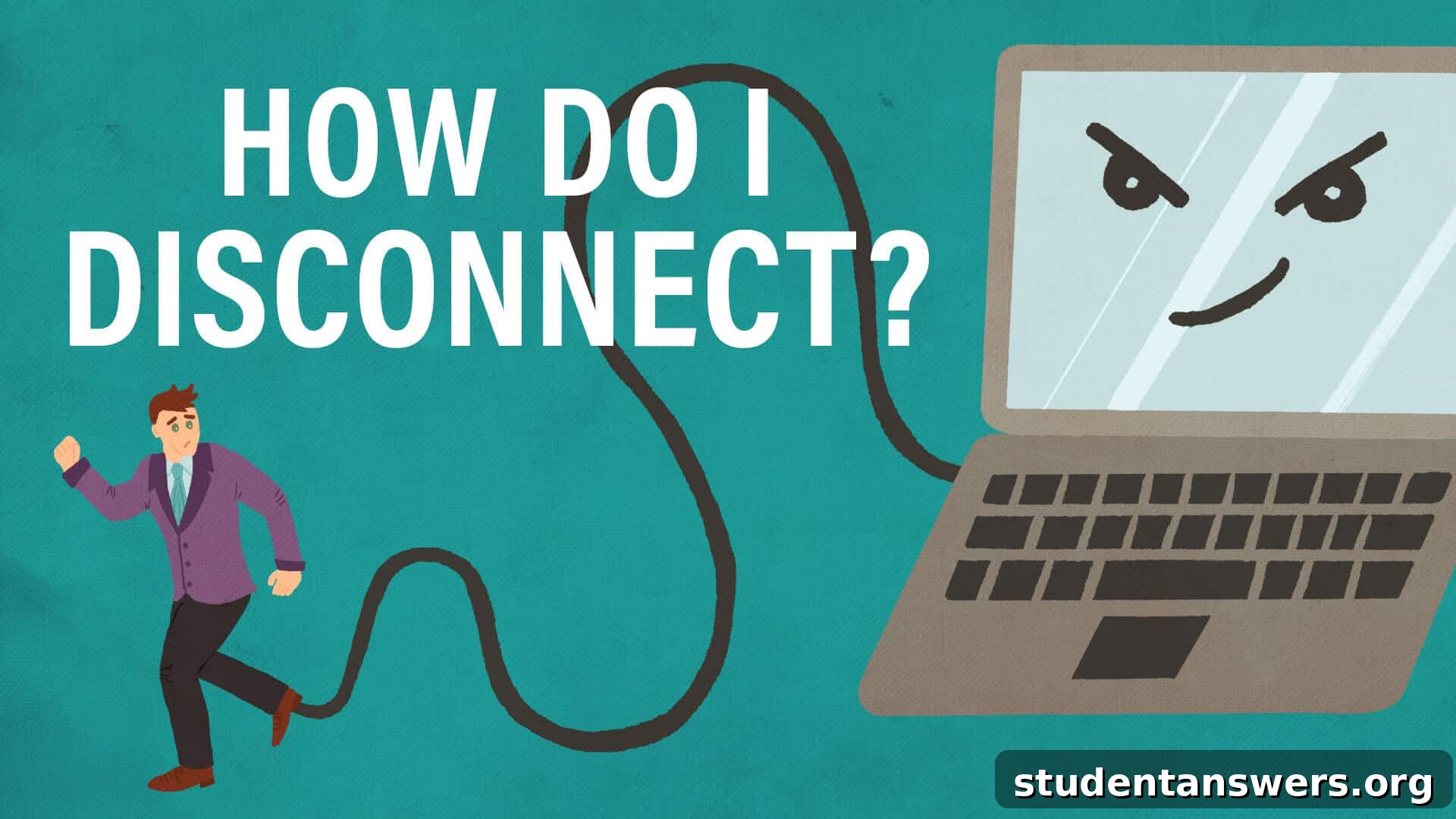
How Can I Disconnect with a Computer-Centered Job and Hobbies?
In an era where careers and leisure activities are increasingly screen-based, the struggle to disconnect is real and widespread. The constant digital stimulation can lead to burnout, eye strain, and a feeling of being perpetually “on.” Intentionally creating space away from screens is no longer a luxury—it’s a necessity for long-term mental health and productivity.
Actionable Steps for a Healthy Digital-Analog Balance
Finding this balance requires creating clear boundaries and cultivating offline interests. It’s about being the master of your technology, not the other way around.
- Schedule “Analog” Time: Treat your offline time with the same seriousness as a work meeting. Block out specific times in your calendar for screen-free activities. This could be a 30-minute walk without your phone after work, a tech-free Saturday morning, or a dedicated “reading hour” with a physical book before bed.
- Create Tech-Free Zones: Designate certain areas of your home as screen-free. The bedroom is the most important one. Keeping laptops and phones out of the bedroom improves sleep quality and helps your brain associate that space with rest, not work or endless scrolling. The dinner table is another excellent candidate.
- Cultivate Analog Hobbies: The best way to spend less time online is to have compelling reasons to be offline. Explore hobbies that engage your hands and your mind in a physical way. This could be anything from cooking, gardening, and woodworking to playing a musical instrument, joining a local sports league, or hiking.
- Practice Mindful Presence: When you are engaged in an offline activity, be fully present. If you’re on a walk, pay attention to the sights and sounds around you. If you’re having a conversation, give the other person your full attention. This practice of single-tasking helps retrain your brain to focus without needing constant digital input.
– Use Technology to Your Advantage: Fight fire with fire. Use apps like Freedom or Cold Turkey to block distracting websites and apps during focused work periods or scheduled offline time. Set your phone to grayscale mode to make it less appealing. Turn off all non-essential notifications to reduce constant interruptions.
How Do You Know When It’s the Right Time to Quit a Job?
Deciding to leave a job is one of the most significant career decisions you can make. It’s rarely a clear-cut choice and often involves a mix of financial, professional, and emotional factors. The key is to make a rational, well-considered decision rather than an impulsive one based on a single bad day.
Key Indicators That It Might Be Time to Move On
Look for consistent patterns, not isolated incidents. If several of these signs resonate with you over a prolonged period, it’s a strong signal that you should start exploring other options.
- Stagnation and Lack of Growth: Are you still learning? If you’re no longer being challenged, have mastered your role, and see no clear path for advancement or skill development, your professional growth has stalled. A good job should be a platform for continuous learning.
- A Toxic Work Environment: A toxic culture can manifest as chronic stress, poor communication, a lack of trust, constant negativity, or unethical behavior. If your workplace consistently drains your mental and emotional energy, it’s not a sustainable environment.
- Misalignment with Your Values: Does the company’s mission and the work you do align with your personal values? If you find yourself ethically or morally conflicted by your job, that internal friction can lead to deep dissatisfaction and burnout.
- Consistent Dread and Burnout: Everyone has a case of the “Sunday scaries” now and then. But if you consistently feel dread, anxiety, or exhaustion at the thought of going to work, it’s a major red flag that the role or environment is taking a serious toll on your well-being.
- Your Health is Suffering: Are you experiencing chronic stress, sleeplessness, or other physical symptoms related to your job? No job is worth sacrificing your long-term health for.
Before You Quit: A Strategic Checklist
Once you’ve decided to leave, don’t just walk out the door. Prepare for a smooth transition.
- Build a Financial Cushion: Aim to have at least 3-6 months of living expenses saved. This gives you the freedom to find the *right* next opportunity, not just the first one that comes along.
- Update Your Professional Assets: Polish your resume, update your LinkedIn profile, and curate a portfolio of your best work.
- Start Networking: Reconnect with former colleagues and contacts in your field. Let people know you’re exploring new opportunities. Most great jobs are found through networking, not just online applications.
- Leave Gracefully: Once you have a new offer, give your current employer ample notice (two weeks is standard), help with the transition, and avoid burning bridges. Your professional reputation is a long-term asset.
How Does One Prepare for an Oral Exam?
An oral exam can be one of the most intimidating academic assessments. Unlike a written test, it’s a live performance where you have to think on your feet, articulate your thoughts clearly, and demonstrate a deep understanding of the subject matter. However, with the right preparation strategy, you can turn this daunting experience into an opportunity to shine.
A Three-Phase Approach to Acing Your Oral Exam
Success in an oral exam comes down to a systematic approach that covers content mastery, rigorous practice, and day-of performance strategies.
Phase 1: Master the Material
- Know the Format: First, understand the rules. How long will it be? Will you be given questions in advance? Who will be in the room? Knowing the logistics reduces anxiety.
- Go Beyond Memorization: Oral exams test your *understanding*, not just your memory. You need to be able to connect concepts, provide examples, and explain the “why” behind the facts. Create mind maps or summaries that link different topics together.
- Anticipate Questions: Put yourself in your professor’s shoes. What are the most important themes from the course? What are the controversial topics? Prepare and outline answers for the most likely questions. Prepare for follow-up questions that ask you to elaborate or defend your position.
Phase 2: Practice, Practice, Practice
- Speak Your Answers Aloud: This is the single most important step. Thoughts that seem clear in your head can sound jumbled when spoken. Practice articulating your answers clearly and concisely. This builds muscle memory for your mouth and your brain.
- Simulate the Exam: Ask a friend, classmate, or mentor to act as the examiner. Give them a list of potential questions and have them conduct a mock exam. This helps you get used to the pressure of answering questions from another person in real-time.
– Record Yourself: Use your phone to record audio or video of yourself answering practice questions. When you listen back, you can identify filler words (like “um” and “ah”), check your pacing, and refine your explanations.
Phase 3: Perform with Confidence
- Manage Your Nerves: On the day of the exam, do some deep breathing exercises to calm your nervous system. A little bit of nervous energy is good—it keeps you alert. The key is to channel it into focused energy.
- Listen Carefully: Before you jump into an answer, make sure you fully understand the question being asked. It’s perfectly acceptable to take a brief pause to structure your thoughts or to ask for clarification if a question is unclear.
- Structure Your Answers: Don’t just ramble. A good answer has a clear structure. Start with a direct response, then provide supporting evidence or examples, and end with a concise summary statement. This shows that you are organized and in control of the material.
By breaking down your preparation into these distinct phases, you can systematically build the knowledge and confidence needed to excel in any oral exam.