

The Ultimate Guide to the Best Online Jobs for College Students
Juggling classes, studying, and a social life is tough enough. Adding a traditional part-time job with a rigid schedule can feel nearly impossible. For years, my college jobs meant being physically present, whether in the mailroom or a department office. That all changed when I discovered the world of online work. The flexibility to earn money from my laptop, on my own schedule, was a game-changer.
If you’re ready to ditch the commute and inflexible hours for the freedom of working from anywhere, you’ve come to the right place. We’ve compiled the definitive list of the best online jobs for college students. You don’t need a fancy degree or years of experience to get started with these roles. In many cases, you already possess the necessary skills, and for others, a few dedicated afternoons are all it takes to learn.
Discover how you can build your resume, develop valuable skills, and earn a steady income—all without sacrificing your grades or your sanity. Let’s explore the top opportunities that fit perfectly into a student’s life.
1. Freelance Writer
If you have a knack for words, freelance writing is one of the most accessible and rewarding online jobs available. Businesses of all sizes need high-quality written content, from engaging blog articles and website copy to video scripts and email newsletters. As a student, you’re already honing your writing skills daily, making this a natural fit. You can write about subjects you’re passionate about or topics you’re studying, turning your academic knowledge into a paying gig.
What it pays:
- Beginners can comfortably charge around $50 – $75 for a 1,000-1,500 word article.
- With a solid portfolio, experienced student writers can command $150 – $300 or more for the same length, especially in specialized niches.
How to get the job:
- Start a Blog: The best way to prove your skills is to use them. Create a simple blog on a topic you love. This gives you a public space to practice, publish your work without needing permission, and build a portfolio.
- Build Your Portfolio: Select your three to five best writing samples from your blog or class assignments and create a professional online portfolio. This is your resume for freelance clients.
- Pitch to Websites: Identify blogs and online publications in your niche. Find their contact information or editor’s name and send a personalized email (a “pitch”) with your article ideas and a link to your portfolio.
- Network: Engage with editors, content managers, and other writers on platforms like LinkedIn and Twitter. Building relationships can lead to incredible opportunities.
2. Freelance Editor or Proofreader
Do you have a keen eye for detail and cringe at grammatical errors? If so, freelance editing and proofreading could be your ideal online job. This role involves polishing written content to ensure it’s clear, concise, and error-free. You can edit a wide range of materials, from blog posts and academic papers for fellow students to manuscripts for aspiring authors. Specializing in a particular subject, like business or science, can also increase your earning potential.
What it pays:
- For proofreading or basic copyediting, you can start by charging $15 – $25 per hour.
- For more in-depth editing projects, such as a short book or a series of articles, you could charge a project fee of $300 – $600 even as a beginner.
How to get the job:
- Offer to Help Friends: Start by editing papers for your classmates. This provides valuable practice and testimonials you can use.
- Join Campus Publications: Working for the campus newspaper or literary magazine is an excellent way to gain official editing experience for your resume.
- Market Your Services: Create a section on your portfolio website dedicated to your editing services. Clearly list what you offer (proofreading, copyediting) and your rates.
- Connect with Other Editors: The editing community is often collaborative. Network with established editors online; they frequently pass on smaller projects they don’t have time for.
3. Freelance Graphic Designer
In our visual world, graphic design skills are in high demand. Businesses need compelling visuals for everything: logos, social media posts, websites, brochures, and presentations. You don’t need to be an art major to succeed. With user-friendly tools like Canva and online courses, you can learn the fundamentals of design and start creating professional-looking graphics quickly.
What it pays:
- The average hourly rate for a freelance graphic designer is around $30, but this can vary widely.
- Project-based pricing is often more profitable. For example, charging $200 for a logo design that takes you three hours results in an effective hourly rate of over $66.
How to get the job:
- Learn the Principles: Before jumping into software, understand the core principles of design, like color theory, typography, and layout. There are excellent, affordable courses on platforms like Skillshare and Coursera.
- Master a Tool: Start with an accessible tool like Canva. As you advance, consider learning industry-standard software like Adobe Illustrator or Photoshop. Student discounts are often available.
- Build a Visual Portfolio: Create a portfolio on a site like Behance or on your personal website to showcase your best work. Include a mix of projects, even if they’re personal or for fictional clients.
- Find Gigs: Look for opportunities on freelance platforms like Upwork and Fiverr, or reach out to local small businesses and student organizations that need design help.
4. Freelance Web Developer
Web development is a highly valuable and lucrative skill that is constantly growing. Every business needs a website, and many are willing to pay well for someone to build and maintain it. You don’t need a computer science degree to get started. Many successful developers are self-taught. Knowing how to build a basic website on a platform like WordPress or Squarespace is often enough to land your first paying projects.
What it pays:
- According to Glassdoor, the average hourly rate for a freelance web developer is around $36.
- Project-based pricing can be very profitable. A simple brochure-style website for a local business could earn you $1,000 – $2,500 for just a week’s worth of work. Some college students have even earned $5,000+ for a single custom project.
How to get the job:
- Learn the Basics: Start with the fundamentals of web development: HTML, CSS, and basic JavaScript. Websites like Codecademy and freeCodeCamp offer interactive, hands-on courses.
- Build Projects for Your Portfolio: The best way to learn and showcase your skills is by building things. Create a personal website, a site for a friend’s club, or a passion project.
- Offer Your Services Locally: Reach out to small local businesses with outdated websites. Offer to build them a modern, mobile-friendly site for a competitive price to build your client portfolio.
5. Virtual Assistant (VA)
Busy entrepreneurs, executives, and content creators often need help managing their day-to-day tasks but don’t need a full-time, in-person assistant. This is where virtual assistants come in. As a VA, you provide administrative, creative, or technical support remotely. Tasks can include managing email inboxes, scheduling appointments, posting on social media, performing data entry, and conducting online research. It’s an excellent job for students who are organized and reliable.
What it pays:
- Entry-level VAs typically earn $15 – $20 per hour.
- With experience or specialized skills (like social media management or bookkeeping), you can charge $25 – $50+ per hour.
How to get the job:
- Identify Your Skills: Make a list of tasks you’re good at. Are you great with spreadsheets? A pro at organizing schedules? An expert at navigating a specific social media platform?
- Create a Service Package: Bundle your skills into clear offerings. For example, a “Social Media Starter Pack” could include scheduling 10 posts per week and responding to comments.
- Find Clients: Market your services on freelance sites like Upwork. You can also join Facebook groups for entrepreneurs, where people frequently post looking for VA help.
6. Social Media Manager
If you’re already spending time on Instagram, TikTok, and Twitter, why not get paid for it? Businesses understand the importance of having a strong social media presence but often lack the time or expertise to manage it effectively. As a social media manager, you would create and schedule content, engage with followers, monitor analytics, and help grow a brand’s online community. This role is perfect for creative and digitally-savvy students.
What it pays:
- Freelance social media managers often charge a monthly retainer. A small business might pay $300 – $700 per month for management of one or two platforms.
- Hourly rates typically range from $20 – $50, depending on the scope of work and your experience level.
How to get the job:
- Build Your Own Brand: Use your personal social media accounts to demonstrate your skills. Grow a following around a niche you’re interested in to show you understand content strategy and audience engagement.
- Learn the Tools: Familiarize yourself with social media scheduling tools like Buffer or Hootsuite, and learn how to read the built-in analytics on each platform.
- Offer a Free Trial: Approach a local business or campus organization and offer to manage their social media for free for one month. This will provide you with a case study and a powerful testimonial.
7. Audio Transcriptionist
While artificial intelligence has made strides in speech recognition, it’s still no match for the human ear. Audio transcription involves listening to audio files—such as interviews, podcasts, or meetings—and typing them into a text document. This job requires excellent listening skills, a fast typing speed, and attention to detail. It’s a flexible gig you can do anytime, anywhere, as long as you have headphones and a computer.
What it pays:
- Companies like Rev pay on a per-audio-minute basis, starting around $0.30 – $1.10 per minute of audio.
- A reasonably fast typist can expect to earn $15 – $22 per hour. If you specialize in legal or medical transcription, the pay can be significantly higher.
How to get the job:
- Test Your Skills: Many transcription sites require you to pass a skills test, which usually involves transcribing a short audio sample to prove your accuracy and grammar.
- Apply to Platforms: Sign up on popular transcription websites like Rev, TranscribeMe, or GoTranscript. These platforms provide a steady stream of work for freelancers.
8. Video Editor
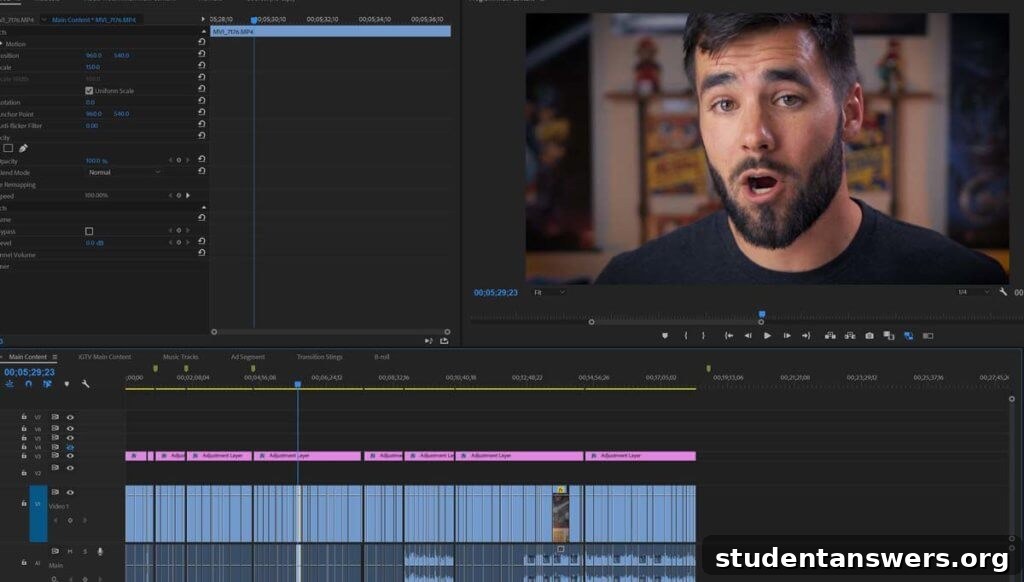
Video is the dominant form of content online. From YouTubers to major corporations, everyone needs skilled editors to turn raw footage into a polished final product. If you enjoy storytelling and have a technical mindset, video editing can be a fun and profitable online job. You can learn the necessary software on your own and build a portfolio with personal projects.
What it pays:
- Beginner video editors can charge $25 – $45 per hour.
- As you build a portfolio and gain speed, you can increase your rate to $50 – $75 per hour or more, especially for complex projects involving motion graphics or color grading.
How to get the job:
- Learn the Software: Start with free software like DaVinci Resolve or invest in the industry standard, Adobe Premiere Pro (student discounts are available). Watch tutorials and practice editing different types of videos.
- Create a Demo Reel: Edit short videos for friends, create a highlight reel for a campus sports team, or start your own YouTube channel. Compile your best clips into a 1-2 minute demo reel that showcases your skills.
- Reach Out to Creators: Find small to mid-sized YouTubers or businesses and offer your editing services. Show them your demo reel and explain how you can help them save time and improve their content.
9. Online Tutor or Teacher
You can monetize your academic strengths by becoming an online tutor. Whether you excel in math, science, history, or writing, there are students around the world who need your help. You can also teach English to non-native speakers, a field with massive demand. Many platforms don’t require a formal teaching degree, just fluency in English and a passion for helping others learn.
What it pays:
- Rates vary widely, from $12 – $35 per hour, depending on the subject, your experience, and the platform you use.
- Teaching English on platforms like VIPKID can pay up to $25 per hour.
How to get the job:
- Choose Your Platform: Sign up for established tutoring sites like Chegg Tutors or Wyzant. For teaching English, look into VIPKID or iTalki.
- Highlight Your Expertise: When creating your profile, be specific about the subjects you’re an expert in and any relevant grades or test scores.
- Prepare Your Space: Ensure you have a quiet place to work, a reliable internet connection, and a good quality headset with a microphone.
10. Data Entry Clerk
While it may not be the most glamorous job, data entry is a straightforward and reliable way to earn money online. The work typically involves taking information from one format (like a scanned document or audio file) and entering it into another (like a spreadsheet or database). This job is perfect for students who are detail-oriented, organized, and can type accurately. It requires minimal experience and can often be done on a flexible schedule.
What it pays:
- Average hourly pay for data entry is around $13 – $18 per hour.
- Your earnings can increase if you have advanced skills in programs like Microsoft Excel or Google Sheets.
How to get the job:
- Brush Up on Spreadsheet Skills: Knowing your way around Excel, including formulas and functions, can make you a more competitive candidate.
- Find Gigs on Freelance Marketplaces: Platforms like Upwork and Fiverr have numerous listings for short-term and long-term data entry projects.
Start Earning on Your Own Terms
College is a time for learning and growth, and your job should be part of that experience, not a source of stress. The online jobs listed here offer more than just a paycheck; they provide the flexibility to prioritize your studies, the opportunity to build a professional portfolio, and the chance to develop skills that will be valuable long after you graduate. There’s an opportunity on this list for every skill set and interest. The first step is the hardest, so pick one that excites you and start exploring today. Your ideal student job is just a few clicks away.