
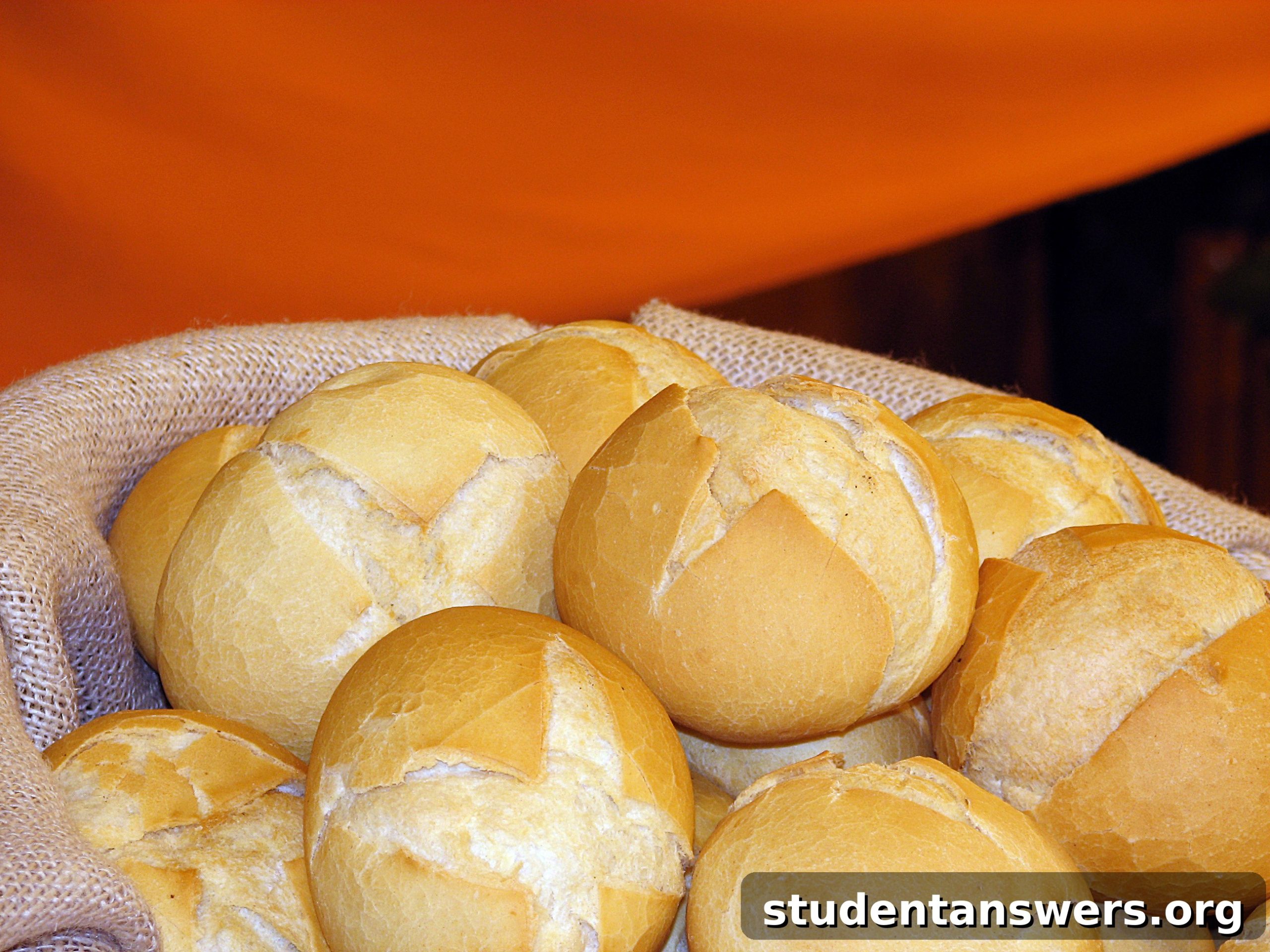
The Ultimate Guide to Easy Homemade Bread Rolls (Perfect for Beginners)
Are you tired of the dense, flavorless, and rubbery rolls from the supermarket? There’s nothing quite like the aroma of freshly baked bread filling your home, and the satisfaction of biting into a warm, fluffy roll that you made from scratch. Many people are intimidated by baking with yeast, but this recipe is designed to be foolproof, simple, and incredibly rewarding. Whether you’re a complete novice or a seasoned baker looking for a reliable go-to recipe, these homemade bread rolls will become a staple in your kitchen. They are perfect for sandwiches, as a side for soup, or simply enjoyed warm with a pat of butter.
Why You’ll Love This Homemade Bread Roll Recipe
Before we dive into the process, let’s talk about why this recipe is the one you’ve been searching for. It’s more than just a list of ingredients; it’s a gateway to better baking.
- Incredibly Flavorful: The taste of homemade bread is unparalleled. These rolls have a rich, yeasty flavor and a soft, tender crumb that you just can’t find in a plastic bag.
- Simple & Accessible Ingredients: You likely have most, if not all, of these ingredients in your pantry right now. No fancy or hard-to-find items are required.
- Perfect for Beginners: The steps are broken down in a clear, easy-to-follow manner. We’ll explain the “why” behind each step, helping you understand the baking process and build your confidence.
- Versatile: This base recipe is a perfect canvas. You can add herbs, cheese, or seeds to customize them for any meal. They can be shaped into rounds for dinner rolls, ovals for sub sandwiches, and more.
- No Preservatives: You have complete control over what goes into your food. These rolls are free from the preservatives and additives often found in store-bought bread.
Understanding Your Ingredients
The magic of baking lies in how a few simple ingredients work together. Here’s a closer look at what you’ll need and the role each component plays in creating the perfect roll.
- 550g Bread Flour: This is the star of the show. Bread flour has a higher protein content than all-purpose flour, which is crucial for developing strong gluten strands. Gluten is what gives your rolls their structure and that satisfyingly chewy texture. You can use all-purpose flour in a pinch, but the result might be slightly less chewy. A mix of white and wholemeal flour also works beautifully for a heartier roll.
- 7g Fast-Action Yeast (One Sachet): Yeast is the living organism that makes your bread rise. Fast-action yeast (also known as instant yeast) is fantastic for beginners because it can be mixed directly with your dry ingredients without needing to be activated in water first. It’s reliable and efficient.
- 2 tsp Caster Sugar: Sugar does more than add a hint of sweetness. Its primary role here is to act as food for the yeast, helping it activate and produce the carbon dioxide gas that leavens the dough.
- 2 tsp Salt: Salt is essential for two reasons. First, it adds crucial flavor; without it, your bread will taste very bland. Second, it helps to regulate the yeast’s activity, preventing it from working too quickly, which ensures a more controlled rise and better flavor development.
- 300ml Warm Water: The temperature of your water is critical. It should be warm to the touch, but not hot (around 105-115°F or 40-46°C). If the water is too cold, the yeast won’t activate properly. If it’s too hot, you’ll kill the yeast, and your dough won’t rise at all.
- 3 tbsp Olive Oil: Fat enriches the dough, resulting in a softer crumb and a more tender texture. Olive oil also adds a lovely, subtle flavor. You can substitute it with melted butter or another neutral oil if you prefer.
- 1 Egg: This is used for an egg wash. Brushing the rolls with a lightly beaten egg before baking gives them a beautiful, shiny, golden-brown crust.
- Extra Flour: For dusting your work surface to prevent the dough from sticking while you knead.
Step-by-Step Instructions for Perfect Bread Rolls
Follow these detailed steps carefully, and you’ll be rewarded with bakery-quality rolls straight from your own oven. We’ve included tips along the way to ensure your success.
- Combine the Dry Ingredients: In a large mixing bowl, add the 550g of bread flour, 7g of fast-action yeast, 2 tsp of salt, and 2 tsp of caster sugar. Use a whisk or a fork to mix them together thoroughly. This step is important to ensure the yeast, salt, and sugar are evenly distributed throughout the flour before you add the wet ingredients.
- Form the Dough: Make a well in the center of your dry ingredients. Pour the 300ml of warm water and 3 tbsp of olive oil into the well. Using one hand (or a wooden spoon), begin to gradually mix the flour from the sides into the liquid. Continue mixing until a shaggy, sticky dough starts to form. A great tip is to use one hand for mixing and keep the other hand clean and dry for adding more flour or water if needed.
- Knead to Perfection: Lightly dust a clean work surface with flour. Turn the dough out onto the surface. Now, it’s time to knead. Kneading is the process of working the dough to develop the gluten. To do this, push the dough away from you with the heel of your hand, then fold it over, give it a quarter turn, and repeat. Continue this push-fold-turn motion for about 10-15 minutes. The dough will transform from a sticky mess into a smooth, elastic ball. You’ll know it’s ready when it’s no longer overly sticky and springs back when you gently poke it.
- The First Rise (Proving): Take a clean bowl and lightly grease it with a little olive oil. Place your smooth ball of dough into the bowl and turn it over once to coat it lightly in oil. This prevents a dry crust from forming. Cover the bowl with a clean tea towel or plastic wrap. Leave it in a warm, draft-free place to rise for about one hour, or until it has doubled in size.
- Shape the Rolls and the Second Rise: Once the dough has doubled, gently press down on it to “knock it back” or deflate it. This releases the large air bubbles. Transfer the dough back to your floured surface and gently roll it into a long log or sausage shape. Using a bench scraper or a knife, divide the log into 6-8 equal sections, depending on how large you want your rolls. Take each section and form it into a small, tight round. To do this, flatten the piece slightly, then fold the edges into the center and pinch them together. Turn it over so the seam is on the bottom, and roll it between your cupped hand and the work surface to create a smooth, taut ball. Place the shaped rolls on a baking tray lined with parchment paper, leaving some space between them.
- The Final Proof and Egg Wash: In a small bowl, lightly beat the egg with a splash of water to create an egg wash. Gently brush this mixture over the tops of each roll. Cover the tray loosely with a tea towel and let the rolls have their second rise in a warm place for another 45-60 minutes. They should look puffy and have increased in size again. While they are proving, preheat your oven to 200°C (400°F) or 180°C for a fan oven.
- Bake to Golden-Brown: Place the baking tray in the preheated oven and bake for 12-15 minutes. The rolls are done when they are a deep golden-brown color. To be absolutely sure, you can carefully pick one up (use an oven mitt!) and tap the bottom. If it sounds hollow, they are perfectly cooked.
- Cooling the Rolls: Immediately transfer the hot rolls from the baking tray to a wire cooling rack. This prevents the bottoms from becoming soggy. For a softer crust, you can cover them with a clean tea towel while they cool. This traps some of the steam, which softens the exterior. Try to resist the temptation to cut into them straight away—letting them cool for at least 15 minutes allows the internal structure to set.
Tips for Success and Troubleshooting
- My dough didn’t rise: This is usually due to the yeast. Your yeast may have been expired, or the water you used was too hot and killed it. Always check the expiration date and use warm, not hot, water.
- My dough is too sticky: It’s normal for the dough to be sticky at first. Resist the urge to add too much extra flour while kneading, as this can make the rolls dry and dense. A little flour on your hands and the surface is all you need. The dough will become less sticky as the gluten develops.
- How to create a warm spot for rising: If your kitchen is cold, you can create a warm environment by turning your oven on to its lowest setting for just a minute or two, then turning it OFF. Place the covered bowl of dough inside the slightly warm (but off!) oven to rise.
- For a crustier roll: If you prefer a chewier, crispier crust, place a small pan of hot water on the bottom rack of the oven while the rolls bake. The steam created helps develop a better crust.