
Mastering Life’s Challenges: A Guide to Learning, Growth, and Connection
Life is a constant stream of questions and challenges. We often find ourselves wondering how to pick up a new skill we missed out on as kids, how to manage our relationship with the digital world, or how to navigate complex social and professional landscapes. This guide tackles some of the most common yet profound questions we face, offering practical, actionable advice to help you on your journey of personal and professional development. From learning a new instrument as an adult to overcoming the nagging feeling of imposter syndrome, we’ll explore strategies to help you live a more fulfilling and confident life.
In this comprehensive article, we will dive deep into five key areas that many people struggle with. We aim to provide clear, simple, and effective solutions to help you move forward. Let’s explore these challenges together and unlock your potential for growth.
How to Start Learning an Instrument as an Adult
One of the most common regrets adults have is not learning a musical instrument during childhood. There’s a persistent myth that musical ability is something you’re either born with or must develop at a young age. This could not be further from the truth. The adult brain is incredibly capable of learning new, complex skills, and picking up an instrument later in life comes with its own unique set of advantages, such as discipline, patience, and a genuine desire to learn.
Step 1: Choose the Right Instrument for You
The first step is often the most exciting and the most daunting. The key is to choose an instrument that genuinely interests you and fits your lifestyle. Don’t pick the guitar just because it’s popular; choose it because you love the sound of it. Consider these factors:
- Sound and Genre: What kind of music do you love? If you’re a fan of classical music, the piano or violin might be a great fit. If you love folk music, consider the ukulele or acoustic guitar.
- Cost and Space: Instruments vary wildly in price and size. A harmonica is inexpensive and portable, while a grand piano is a significant investment in both money and space. Digital pianos and keyboards offer a great middle ground.
- Physicality: Some instruments require more physical exertion or specific dexterity. Brass instruments require strong lung capacity, while drumming is a full-body workout.
Step 2: Set Realistic and Achievable Goals
As an adult, you likely won’t have hours to practice every day. The key to long-term success is consistency, not intensity. It’s far better to practice for 15-20 minutes every day than for three hours once a week. Set small, tangible goals to keep yourself motivated. Instead of “I want to master the piano,” start with “I want to learn how to play the C major scale with both hands” or “I want to learn the three basic chords for ‘Twinkle, Twinkle, Little Star’.” Celebrating these small victories will build momentum and make the process enjoyable.
Step 3: Find Quality Learning Resources
We live in a golden age of self-education. There are more resources available now than ever before for aspiring adult musicians:
- Online Courses and Apps: Platforms like Yousician, Fender Play, and Simply Piano offer structured, game-like lessons that can make learning fun and interactive.
- YouTube Tutorials: There are thousands of talented musicians offering free lessons on YouTube for virtually every instrument imaginable. Find a teacher whose style resonates with you.
- Traditional Tutors: While more expensive, one-on-one lessons with a teacher can provide personalized feedback and structure that is invaluable. A good teacher can correct bad habits before they become ingrained.
Remember, the goal is not to become a world-class virtuoso overnight. The goal is to enjoy the process of creating music and enriching your life with a new, rewarding skill. Be patient with yourself and embrace the journey.
How to Deal with the Fear of Missing Out (FOMO)
In our hyper-connected world, the Fear of Missing Out (FOMO) has become a pervasive source of anxiety. This is especially true when you decide to take a break from constant streams of information, like video game news or your YouTube subscription feed. You worry that you’ll fall behind on the latest trends, miss an important update, or be left out of conversations. However, managing FOMO is crucial for mental clarity and focus.
Understand the Psychology of FOMO
FOMO is rooted in the basic human desire to belong and be in the know. Social media and content platforms are designed to exploit this desire, constantly feeding you a stream of “unmissable” content. When you step away, your brain can feel a sense of withdrawal. The first step to overcoming FOMO is to recognize that this feeling is a manufactured anxiety, not a reflection of reality. You are not actually missing out on anything truly essential to your well-being.
Strategies to Effectively Manage FOMO
Taking a break from digital consumption is a powerful way to reclaim your time and attention. Here’s how to do it without letting FOMO derail your efforts:
- Define Your Purpose: Why are you taking this break? Is it to focus on a personal project, to study for an exam, or simply to be more present in your daily life? Having a clear “why” makes it easier to resist the pull of distraction.
- Schedule Your “Catch-Up” Time: You don’t have to go cold turkey forever. Acknowledge your desire to stay connected by scheduling a specific, limited time to catch up. For example, you could allow yourself 30 minutes on a Saturday morning to quickly scan your favorite channels or news sites. This contains the activity and prevents it from spilling over into your focused time.
- Find Fulfilling Replacements: Nature abhors a vacuum. If you simply remove video games or YouTube without adding something else, you’ll feel the void more intensely. Fill that time with engaging, real-world activities. Pick up that instrument you wanted to learn, go for a walk, read a book, or call a friend.
- Curate Your Feeds: When you do return, be ruthless about what you allow into your digital space. Unsubscribe from channels that provide little value or create anxiety. Mute keywords and topics that trigger your FOMO. Take control of your information diet.
How to Know When to Stop Learning One Skill and Move On
The drive to learn is a fantastic trait, but it can sometimes lead to “skill overload.” You might find yourself juggling five different programming languages, three foreign languages, and a woodworking hobby, all while making progress in none of them. Knowing when a skill is “good enough” for your purposes is a critical part of effective learning and personal development.
Define Your Goal Before You Begin
The most important step is to define what success looks like for you. Why are you learning this skill in the first place? Your goal determines your finish line.
- Hobbyist Level: Are you learning guitar to play songs around a campfire? You don’t need to master music theory. Learning a dozen common chords might be your “good enough” point.
- Professional Competency: Are you learning Photoshop to be a better graphic designer? Your goal is to reach a level where you can efficiently and effectively complete professional projects.
- Project-Based Learning: Perhaps you’re learning woodworking just to build a specific bookshelf. Once the bookshelf is built to your satisfaction, you’ve achieved your goal.
By setting a clear, project-oriented or proficiency-based goal, you create a natural stopping point. This prevents you from endlessly pursuing mastery in a skill where mere competency is all you truly need.
Embrace the T-Shaped Skill Model
A useful concept is that of the “T-shaped” individual. This person has deep expertise in one or two core areas (the vertical bar of the “T”) and a broad, functional knowledge in many other areas (the horizontal bar). Instead of trying to become a master of everything, focus on becoming a true expert in the one or two skills that are most critical to your career or life goals. For all other skills, aim for functional proficiency—enough to get the job done or to enjoy the hobby—and then give yourself permission to move on.
How to Become Close Friends with People Who Don’t Share Your Interests
We often assume that friendships are built on the foundation of shared hobbies. While having common interests is a great way to meet people, it’s not the only, or even the most important, ingredient for a deep and lasting friendship. True connection is built on shared values, mutual respect, and genuine curiosity about another person’s life.
Look for Shared Values, Not Shared Hobbies
Interests change over time, but core values—like honesty, kindness, ambition, or a sense of humor—are more stable. A strong friendship can flourish between a video game enthusiast and a marathon runner if both value loyalty and can make each other laugh. Instead of asking, “What do you do for fun?” try asking questions that reveal character: “What’s something you’re really passionate about?” or “What’s the most important lesson you’ve learned recently?”
The Power of Curiosity and Active Listening
The single best way to build a connection with anyone is to be genuinely curious about them. Ask them about their different interests. Why do they love mountain climbing? What does it feel like? What have they learned from it? People love to share their passions. When you listen actively and ask thoughtful follow-up questions, you show that you value them as a person, not just as someone who shares your hobby. This creates a much stronger bond than simply agreeing on your favorite movie.
Create Shared Experiences
If you don’t have shared hobbies, create new shared experiences. These don’t have to be elaborate. The foundation of friendship is often built in simple, repeated, low-pressure interactions. Invite them to grab coffee, go for a walk, or try a new restaurant. These neutral activities provide the space for conversation and connection to grow organically, independent of any specific hobby.
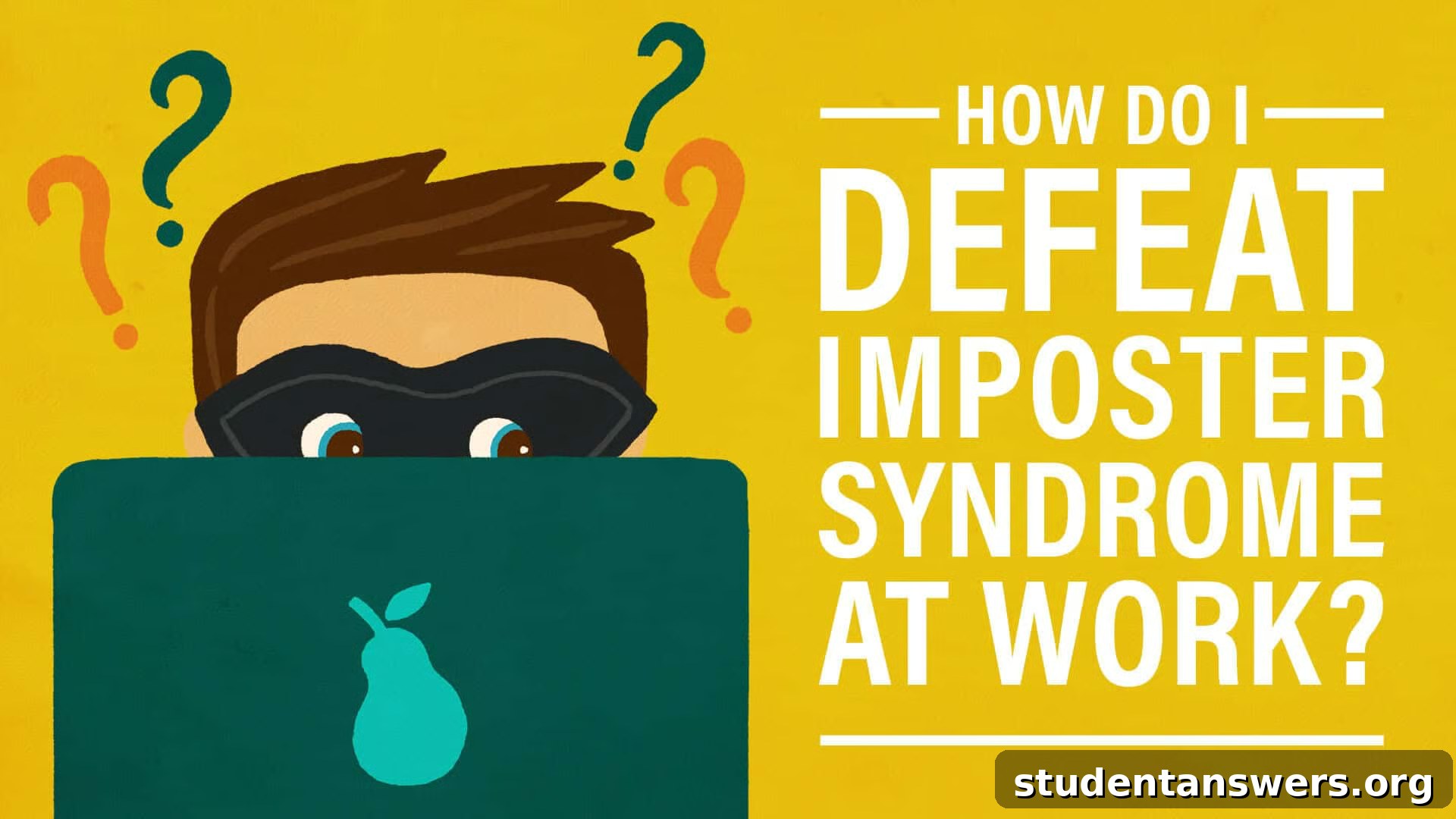
How to Deal with Imposter Syndrome at a New Job
Imposter syndrome is the persistent, internal feeling that you are not as competent as others perceive you to be. It’s the fear that you’re a fraud and will soon be exposed. This feeling is incredibly common, especially when starting a new job, entering a new field, or receiving a promotion. It’s a sign that you’re pushing your boundaries, which is a good thing.
Separate Feelings from Facts
The core of imposter syndrome is a feeling, not a fact. The fact is that a company reviewed your qualifications, interviewed you, and decided you were the best candidate for the job. They invested time and money to hire you. They believe you can do the work. Your feeling of inadequacy does not override their data-driven decision.
A powerful technique is to keep a “brag file” or a “wins folder.” Every time you receive positive feedback, solve a tricky problem, or successfully complete a project, document it. When feelings of self-doubt creep in, review this file. It provides concrete, factual evidence to counter the irrational feelings of being a fraud.
Adopt a Growth Mindset
People with imposter syndrome often have a “fixed mindset”—they believe their abilities are static. Adopting a “growth mindset” is the antidote. This is the belief that your skills and intelligence can be developed through dedication and hard work. No one expects you to know everything on day one of a new job. Your employer hired you for your ability to learn and adapt. Reframe your inner monologue from “I don’t know how to do this” to “I am in the process of learning how to do this.” See every challenge not as a test that will expose you, but as an opportunity to grow.
Talk About It
Shame and fear thrive in silence. One of the most effective ways to diminish the power of imposter syndrome is to talk about it. Find a trusted mentor, a supportive colleague, or a friend outside of work and share how you’re feeling. More often than not, you’ll be met with a response like, “I know exactly how that feels. I felt the same way when I started.” Normalizing the experience robs it of its isolating power and helps you realize that you are not alone.