
The Ultimate Guide to Meal Prepping: Save Time, Money, and Eat Healthier
Picture this: you’ve just returned home after a grueling day. Whether it was back-to-back meetings, a tough workout, or a marathon study session, you’re exhausted and ravenous. You swing open the refrigerator door, hoping for a miracle, only to be greeted by a half-empty jar of pickles, some questionable leftovers, and a collection of condiment bottles. Nothing looks remotely appealing or easy.
Defeated, you reach for your phone. Pizza delivery, a quick run to Chipotle, or some other fast-food option seems like the only logical choice. You spend ten, maybe fifteen dollars. It doesn’t feel like much in the moment, but this convenient habit has a way of silently draining your bank account. If you eat out just four times a week, you could be spending over $200 a month on just a fraction of your meals.
If this scenario sounds all too familiar, there’s a better way. Welcome to the world of meal prepping—the art and science of preparing your meals for the entire week in one go. It’s a transformative practice that I adopted years ago, and it has revolutionized my approach to food, finances, and time management.
This comprehensive guide will walk you through everything you need to know. We’ll bust common myths, show you a simple three-step process to get started, and provide delicious ideas that will make you excited to open your fridge. Get ready to reclaim your time, boost your health, and pad your wallet.
Why You Should Start Meal Prepping Today: The Transformative Benefits
Meal prepping is more than just a kitchen hack; it’s a lifestyle adjustment with profound benefits that extend far beyond just having food ready to eat. Let’s explore why so many people are embracing this powerful routine.
1. Save a Surprising Amount of Money
Let’s talk about the most tangible benefit: the financial savings. While an initial grocery bill for a week’s worth of food might seem high—perhaps between $70 and $100—the per-meal cost tells a different story. If you spend $85 on groceries for 21 meals (breakfast, lunch, and dinner for a week), your cost per meal is just over $4.00. Compare that to the average $10-$15 cost of a single takeout meal. The difference is staggering.
Over a year, this daily discipline can save you thousands of dollars. Imagine what you could do with an extra $1,500 or $2,000. That “expensive” weekly grocery run is actually a smart, long-term investment in your financial well-being.
2. Reclaim Your Precious Time
One of the most common reasons people avoid cooking is the perceived lack of time. It’s true that cooking a fresh meal every single night can be a time-consuming chore. You have to decide what to make, shop for ingredients, cook, and then clean up. Meal prepping solves this problem by consolidating all that effort into a single, focused session.
By dedicating two to three hours on a Sunday afternoon, you are effectively buying back time for the rest of your hectic week. No more waiting in line at a restaurant, no more last-minute grocery runs, and no more lengthy cooking sessions after a long day. Your meals are ready when you are, giving you more time for work, hobbies, family, or simply relaxing.
3. Take Control of Your Health and Nutrition
When you prepare your own food, you are in complete control of what goes into your body. Restaurant and fast-food meals are often loaded with hidden sodium, unhealthy fats, and excessive calories. Meal prepping allows you to manage portion sizes, choose whole ingredients, and tailor meals to your specific dietary needs and health goals.
It also eliminates the temptation to grab unhealthy snacks or junk food when you’re hungry. When a delicious, healthy, pre-portioned meal is waiting for you, you’re far less likely to reach for a bag of chips or a candy bar. This level of control is crucial for weight management, building muscle, or simply feeling more energetic and vibrant.
4. Eliminate Daily Decision Fatigue
We make countless decisions every day, from what to wear to how to tackle a major project at work. By the end of the day, our capacity for making good choices is depleted—a phenomenon known as decision fatigue. This is often why we default to easy, unhealthy food choices for dinner.
Meal prepping removes the daily “What’s for dinner?” question from your mental plate. Your meals are planned, prepared, and waiting. This reduction in mental clutter frees up valuable cognitive energy that you can dedicate to more important tasks, ultimately reducing your overall stress levels.
How to Meal Prep in 3 Easy Steps
Ready to get started? The process is simpler than you might think. Follow these three fundamental steps to build a successful and sustainable meal prep routine.
Step 1: Acquire Your Basic Cooking Supplies
You don’t need a professional kitchen filled with expensive gadgets. Simplicity is key. Here are the absolute essentials to get you started on your meal prep journey.
Essential Cookware
- Pots and Pans: A versatile set including a large pot for soups or boiling pasta, a saucepan for sauces and grains, and a non-stick skillet for sautéing and searing proteins.
- Mixing Bowls: A few large bowls are essential for mixing ingredients, tossing salads, and marinating meats.
- Baking Sheets: Perfect for roasting large batches of vegetables or baking chicken breasts.
- Strainer/Colander: Necessary for draining pasta, washing vegetables, and rinsing beans.
Food Storage Containers
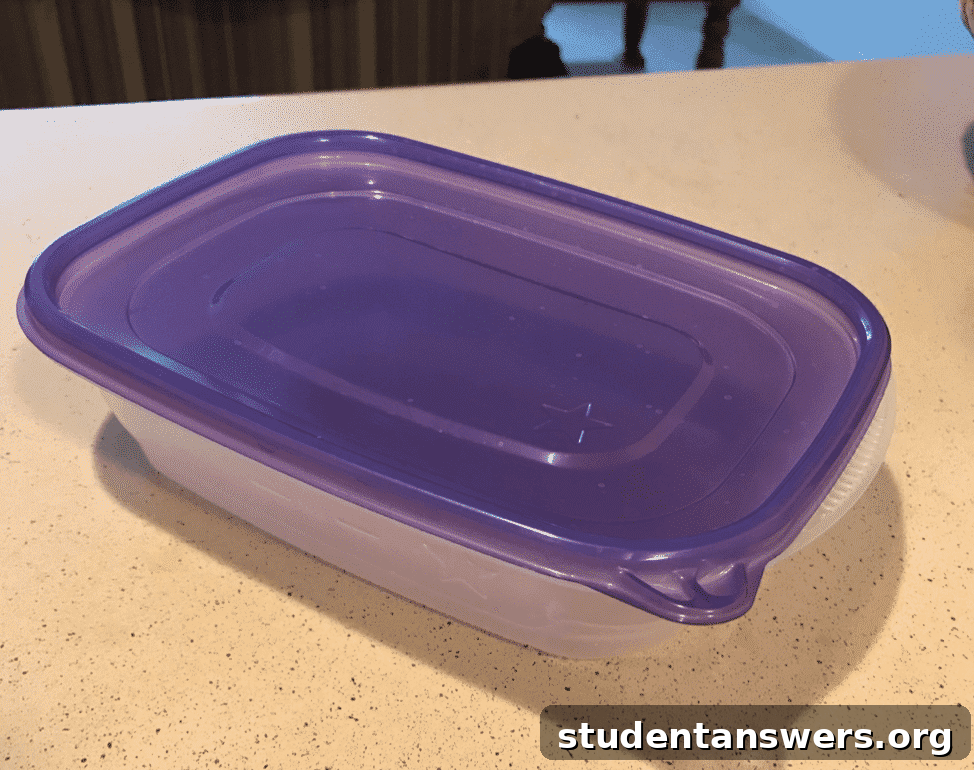
This is non-negotiable for meal prepping. Investing in a quality set of airtight containers will keep your food fresh and make it easy to grab and go. Look for BPA-free plastic or glass containers that are microwave, dishwasher, and freezer safe. Having 10-15 containers of the same size makes stacking and storage a breeze.
Essential Utensils
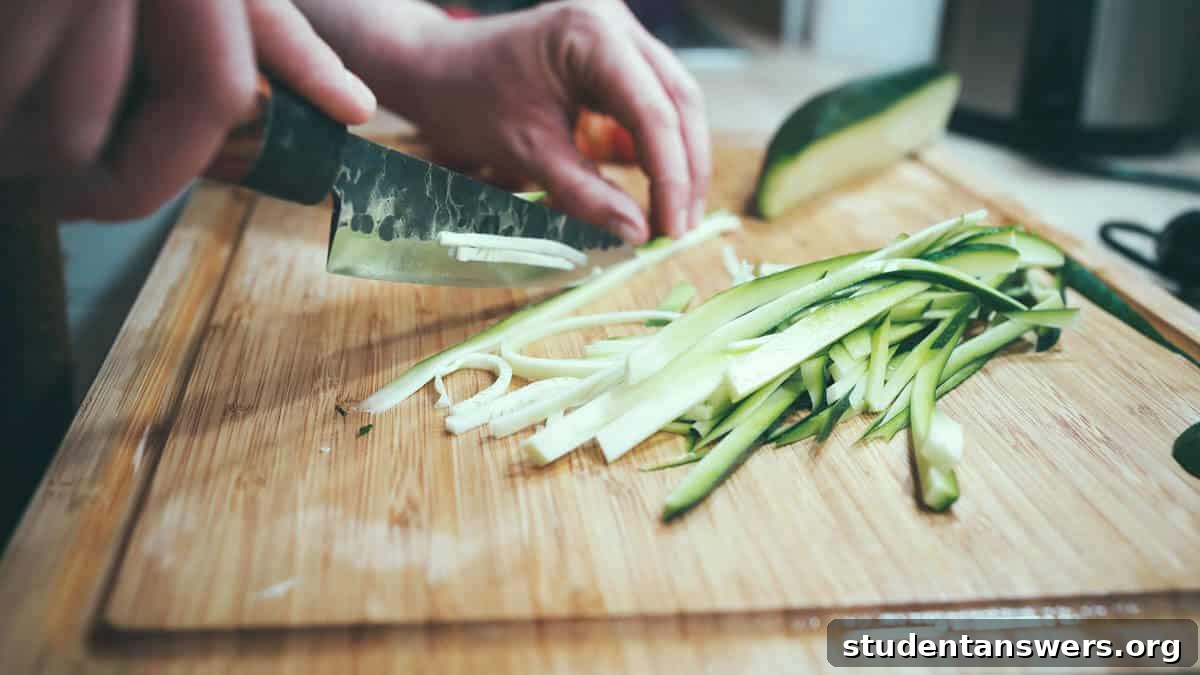
- Chef’s Knife: A good, sharp chef’s knife will make chopping vegetables and preparing ingredients much faster and safer.
- Cutting Board: A large, sturdy cutting board is a must. Consider having separate boards for raw meat and produce.
- Measuring Cups and Spoons: For accurate and consistent recipe results.
- Spatula and Large Spoon: For stirring, flipping, and serving your bulk-cooked meals.
Optional Upgrades
- Slow Cooker (Crockpot): A fantastic tool for “set it and forget it” meals like pulled pork, stews, and soups.
- Blender: Great for making smoothies, protein shakes, and pureed soups.
- Rice Cooker: Perfectly cooks rice and other grains every time with minimal effort.
Step 2: Plan Your Meal Calendar and Shopping List
A little planning goes a long way. Creating a meal calendar eliminates guesswork and ensures you buy only what you need, preventing food waste and saving money. This is your blueprint for the week.
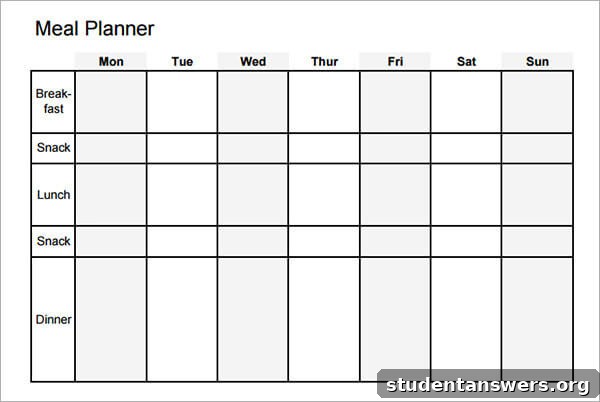
Sample One-Week Meal Plan & Shopping List:
Here’s an example of a simple, balanced, and budget-friendly plan.
Breakfasts (Rotate as desired):
- Overnight Oats (Rolled oats, milk or yogurt, fruit, chia seeds)
- Scrambled Eggs with Spinach
- Greek Yogurt with Berries and Nuts
Lunches & Dinners (Make 2-3 servings of each):
- Roasted Chicken with Vegetables:
- 1 lb chicken breast
- Broccoli, carrots, and bell peppers
- Olive oil, salt, pepper, garlic powder
- Quinoa or brown rice
- Hearty Lentil Soup:
- 1 container vegetable broth
- 1 cup brown or green lentils
- Onion, celery, carrots
- Canned diced tomatoes
- Deconstructed Burrito Bowls:
- 1 lb ground turkey or beef
- Taco seasoning
- Brown rice
- Canned black beans and corn
- Salsa, shredded cheese, and avocado
Snacks:
- Apples with peanut butter
- Baby carrots and hummus
- A handful of almonds or mixed nuts
Before heading to the store, check your pantry for staples you already have. Stick to your list to avoid impulse buys that can derail both your budget and your diet.
Step 3: Prep, Cook, and Store Your Meals
This is where the magic happens. Put on some music or a podcast and get into a rhythm. A strategic workflow can make your prep session efficient and even enjoyable.
A Smart Workflow for Your Prep Session:
- Start with Grains: Get your rice, quinoa, or other grains cooking first, as they often take the longest. A rice cooker makes this step foolproof.
- Wash and Chop Vegetables: While the grains cook, wash and chop all your vegetables for the week. This is the most labor-intensive part, so getting it done early is a win.
- Roast and Cook: Spread your chopped veggies on a baking sheet, toss with oil and seasonings, and put them in the oven. At the same time, you can bake, grill, or pan-sear your proteins (chicken, fish, etc.) and cook any ground meat on the stovetop. Multitasking is your best friend.
- Assemble and Portion: Once everything is cooked, it’s time to assemble. Create an assembly line with your containers, grains, proteins, and vegetables. Evenly distribute each component into your containers. This ensures proper portion control.
- Cool and Store: Let the meals cool to room temperature before sealing them with airtight lids. This prevents condensation and keeps food from getting soggy. Store meals you’ll eat in the next 3-4 days in the refrigerator. Freeze the rest for the latter half of the week to maintain freshness and safety.
By following this process, you’ll have a fridge full of healthy, delicious meals ready to go in just a few hours.
Meal Prepping Will Change Your Life
The transition to meal prepping might feel like a significant change at first, especially if you’re not used to cooking or have a deeply ingrained habit of eating out. However, the initial effort pays incredible dividends.
Once you experience the freedom of not worrying about your next meal, the satisfaction of watching your savings grow, and the energy that comes from nourishing your body with healthy, homemade food, you’ll wonder how you ever lived without it. It’s a skill and a discipline that will serve you for a lifetime.
Start small, be patient with yourself, and enjoy the journey to a healthier, wealthier, and less stressful life. You’ve got this.