
The Loneliness Paradox: Why Are We So Connected, Yet So Alone?
In an age defined by technological marvels, humanity has never been more interconnected. The science fiction dream of video chat is now a mundane part of our daily lives, and coordinating with friends is as simple as sending a quick text message. We carry the entire world in our pockets, with instant access to nearly anyone, anywhere. On the surface, we have bridged every gap that once separated us.
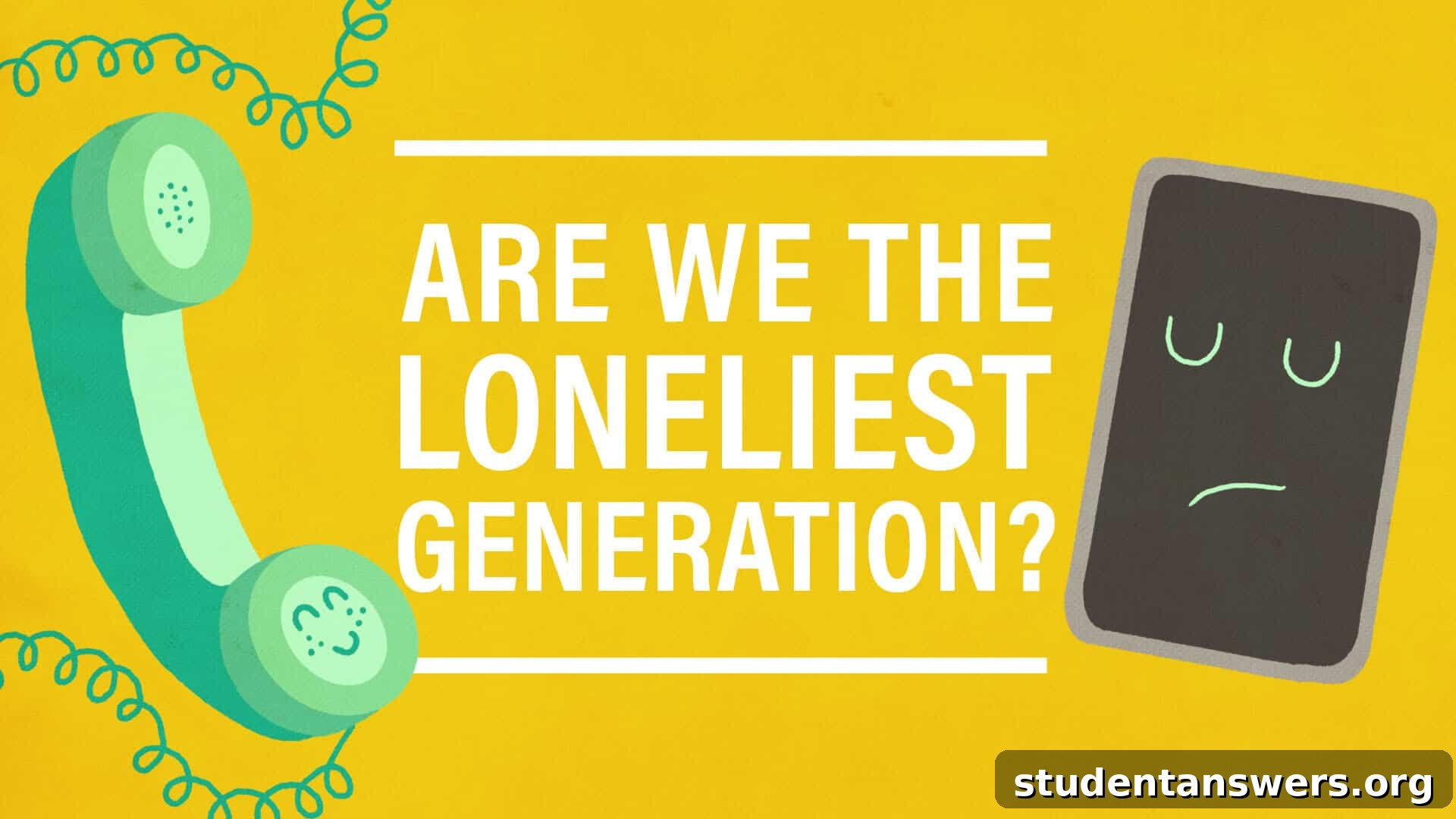
Yet, despite these incredible advancements, a profound sense of disconnection lingers. A quiet epidemic of loneliness is sweeping through our hyper-connected society. Many of us feel adrift, listless, or isolated, even when surrounded by digital crowds. We can communicate constantly, but meaningful conversation feels increasingly rare. This begs a critical question: Is this just a universal human feeling, or have we, the most connected generation in history, paradoxically become the loneliest?
The Great Digital Paradox: More Friends, Less Friendship
The core of the issue lies in the distinction between connection and communication. Social media platforms, messaging apps, and online forums provide us with endless channels for communication, but they often fail to foster genuine connection. We accumulate “friends,” “followers,” and “contacts” by the hundreds, even thousands, but the depth of these relationships is often shallow. A “like” is not a conversation, a comment is not a confession, and a shared meme is not a shared experience.
Modern digital life encourages a form of passive social consumption. We scroll through highlight reels of other people’s lives—their perfect vacations, their career achievements, their happy family photos. This curated reality creates a performative environment where vulnerability is seen as a weakness and authenticity is filtered away. We compare our messy, complicated behind-the-scenes reality with everyone else’s public-facing perfection, leading to feelings of inadequacy and further isolation. We become spectators in the lives of others rather than active participants in our own communities.
This illusion of social fulfillment can be detrimental. It tricks our brains into thinking we are socially engaged when, in reality, we are passively observing. The dopamine hit from a notification can temporarily mask the deeper human need for belonging, empathy, and mutual understanding. The quantity of our connections has skyrocketed, but the quality has, for many, plummeted.
Escaping into Echo Chambers: The Double-Edged Sword of Online Communities
The internet’s greatest promise was its ability to bring together people with shared interests, no matter how niche. For those who feel misunderstood in their immediate environment, finding an online community can be a lifeline. It can provide a sense of belonging and validation that is otherwise missing. This is the undeniable positive side of our digital world.
However, these digital havens can also become isolating echo chambers. When we exclusively interact with people who think, act, and believe exactly as we do, our perspectives narrow. We lose the ability to engage in civil discourse with those who hold different views. Online interactions, stripped of the non-verbal cues that enrich face-to-face conversation—tone of voice, body language, facial expressions—can easily devolve into misunderstanding and conflict. Anonymity can embolden cruelty, and digital distance can erode empathy.
These online worlds can become an escape from the complexities and challenges of real-world relationships. It’s often easier to ghost a digital acquaintance than to resolve a conflict with a close friend. Over time, this can atrophy our social skills, making us less resilient and less capable of navigating the nuanced, imperfect, but ultimately more rewarding landscape of in-person human connection.
Beyond the Screen: Strategies for Building Meaningful Relationships
Recognizing the problem is the first step, but breaking the cycle of modern loneliness requires conscious effort and intentional action. It’s about shifting our focus from passive consumption to active participation. Here are some practical strategies to cultivate deeper, more meaningful connections in your life.
Embrace Vulnerability
True connection is built on a foundation of authenticity. This means being willing to share not just your triumphs, but also your struggles, fears, and imperfections. It can feel terrifying to let your guard down, but vulnerability is a powerful invitation for others to do the same. It signals trust and transforms a superficial acquaintance into a genuine friend. Start small by sharing a minor frustration or a moment of uncertainty with someone you trust.
Prioritize Shared Experiences
Lasting bonds are often forged through shared activities, not just conversations. Instead of just texting, invite a friend to go for a walk, try a new hobby together, volunteer for a cause you both care about, or cook a meal. Engaging in an activity side-by-side creates a low-pressure environment for conversation to flow naturally. These shared memories become the bedrock of a strong relationship, creating a history that transcends digital interactions.
Practice Active Listening
In a world of constant distraction, offering someone your undivided attention is one of the most profound gifts you can give. Active listening means putting your phone away, making eye contact, and truly hearing what the other person is saying without simply waiting for your turn to speak. Ask follow-up questions. Show genuine curiosity. Reflect on what they’ve said to ensure you understand. This practice makes people feel seen, valued, and respected—the core components of a strong connection.
Finding Your Tribe: The Link Between Purpose and Belonging
A significant, often overlooked, driver of loneliness is a lack of purpose and a feeling of not contributing to something larger than oneself. Humans are communal creatures who thrive when they feel they are a valuable part of a group effort. When we lack this sense of purpose, we can feel untethered and isolated.
Actively seeking opportunities to contribute is a powerful antidote to loneliness. This could mean joining a local community garden, volunteering at an animal shelter, becoming part of a recreational sports team, or joining a club dedicated to a creative pursuit. When you work alongside others toward a common goal, connections form organically. The focus shifts from “trying to make friends” to achieving a shared objective, and friendships become a natural byproduct of that shared mission. This sense of making a direct and valuable contribution fosters a deep sense of belonging that passive social media use can never replicate.
Why Discomfort Is the Secret Ingredient to Connection
Our modern lives are engineered for maximum comfort and convenience. We can order food, entertainment, and social interaction without ever leaving our homes. While convenient, this constant pursuit of comfort has made us more timid and risk-averse in our social lives. Building real relationships, however, inherently involves discomfort.
It’s uncomfortable to introduce yourself to a stranger at a social event. It’s uncomfortable to ask a new acquaintance to hang out, risking rejection. It’s uncomfortable to have a difficult but necessary conversation to resolve a conflict. Yet, these moments of discomfort are precisely where growth and connection happen. Every meaningful relationship you have today started with one of these small, brave steps into the unknown. We must reframe discomfort not as a threat to be avoided, but as the price of admission for a rich and connected life. By willingly stepping outside our comfort zone, we open ourselves up to the serendipity, joy, and profound fulfillment of genuine human connection.
Redefining Connection in the 21st Century
The solution to the loneliness epidemic isn’t to abandon technology and return to a bygone era. The tools we have are powerful and can be used for immense good. The challenge is to use them with intention—as a bridge to facilitate real-world interaction, not as a substitute for it.
Feeling lonely is not a personal failing; it is a human signal, much like hunger or thirst. It’s a sign that a fundamental need is not being met. By understanding the paradox of modern connection, avoiding the pitfalls of online echo chambers, and intentionally practicing vulnerability, shared experiences, and purpose-driven contribution, we can begin to heal this collective wound. It requires courage, effort, and a willingness to embrace a little discomfort, but the reward—a life rich with authentic, supportive, and meaningful relationships—is worth the journey.