

Bacofoil Student Chef Showdown
Mastering Student Cooking: The Ultimate Guide to Delicious & Budget-Friendly Meals
Are you a student navigating the exciting world of university life? Does the thought of another instant noodle dinner or a greasy takeaway make you sigh? If you dream of creating delicious, healthy, and affordable meals but don’t know where to start, you’ve come to the right place. This guide is designed to transform you from a kitchen novice into a confident student chef, proving that student cooking can be so much more than just survival.
The stereotype of a student’s diet often involves canned beans, frozen pizza, and a mountain of toast. While these are certainly staples, the university experience is the perfect time to learn one of life’s most essential skills: cooking. It’s a journey of creativity, independence, and delicious discovery. In the past, companies have even celebrated this journey with events like the “Student Cook of the Year” competition, showcasing the incredible culinary talent found in student kitchens across the country. Inspired by that spirit, we want to empower you to unleash your own inner chef.
Why Every Student Should Learn to Cook
Beyond simply feeding yourself, developing your cooking skills at university offers a wealth of benefits that will positively impact your health, finances, and social life. Let’s break down why you should trade the takeaway menu for a chopping board.
Save a Significant Amount of Money
Let’s face it: being a student often means living on a tight budget. Constant food deliveries, takeaways, and expensive pre-made meals can drain your bank account faster than anything else. A single takeaway can cost between £10-£20, while the ingredients for a home-cooked meal that yields multiple servings often cost far less. By cooking your own food, you gain complete control over your spending. A weekly grocery shop, planned carefully, can provide you with a variety of meals for the same price as just two or three takeaways.
Boost Your Health and Well-being
When you cook for yourself, you know exactly what’s going into your food. You can control the amount of salt, sugar, and fat, and you can pack your meals with nutritious vegetables, lean proteins, and whole grains. A healthy diet is directly linked to better concentration, higher energy levels, and a stronger immune system—all crucial for surviving late-night study sessions and demanding lecture schedules. Say goodbye to the post-takeaway slump and hello to sustained energy.
Develop a Crucial Life Skill
Cooking is a fundamental skill for independent living. Learning how to prepare a few simple, reliable dishes will serve you for the rest of your life. It’s an empowering feeling to know you can nourish yourself without relying on others or expensive services. Plus, it’s a fantastic way to impress friends, family, and maybe even a date!
Enhance Your Social Life
Food brings people together. Suggesting a “come-dine-with-me” style night with your housemates or hosting a potluck dinner can be a fantastic, low-cost way to socialize. Cooking for or with others is a bonding experience that creates lasting memories far more meaningful than another night at the pub.
Your Student Kitchen Starter Pack: The Essentials
You don’t need a kitchen full of fancy gadgets to create amazing meals. A few key pieces of equipment and a well-stocked pantry are all it takes to get started. Here’s a checklist of essentials for any student kitchen.
Essential Cookware and Utensils
- A good non-stick frying pan: Perfect for everything from scrambled eggs to stir-fries and pancakes.
- A medium-sized saucepan: Essential for cooking pasta, rice, soups, and sauces.
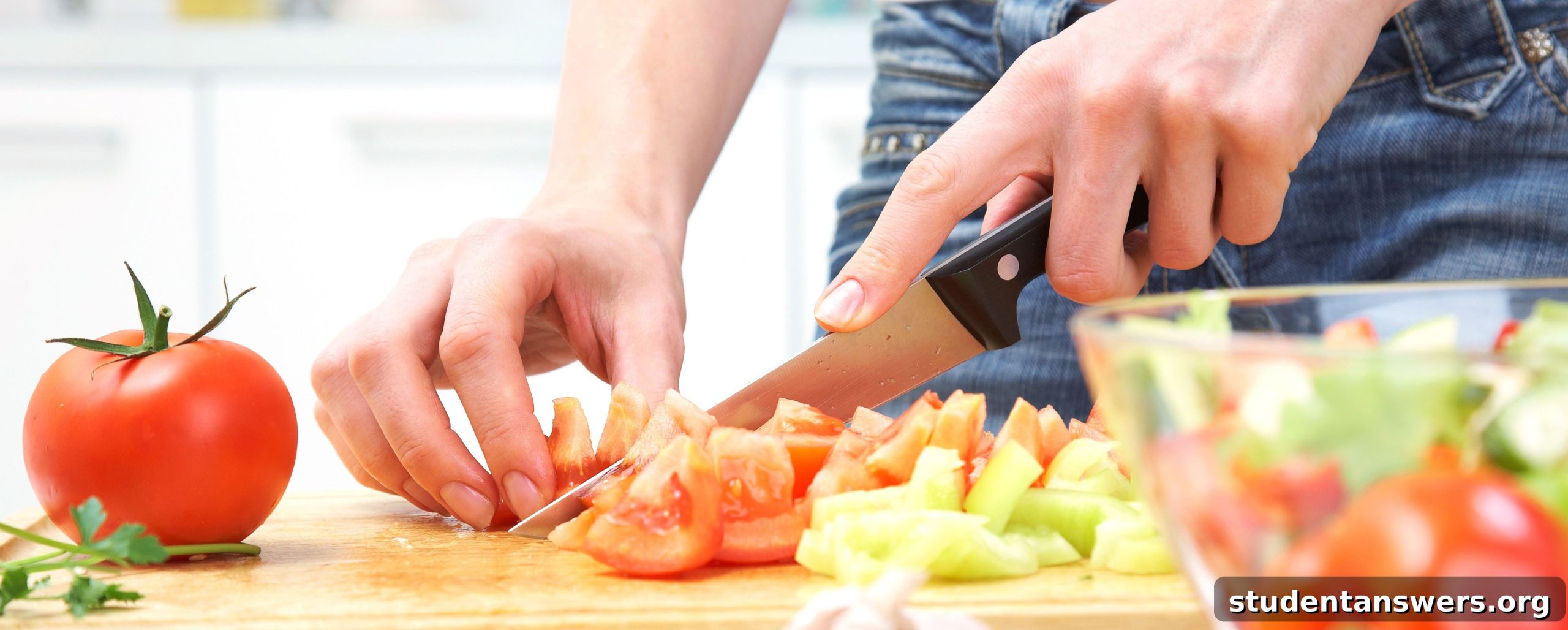
- A sharp knife: One good quality chef’s knife is better than a block of dull ones. It makes chopping safer and easier.
- A chopping board: To protect your countertops and your knife.
- Basic Utensils: A wooden spoon, a spatula, a ladle, and a can opener will cover most of your needs.
- Measuring Cups and Spoons: Crucial for following recipes accurately, especially when baking.
- A Colander: For draining pasta and washing vegetables.
Stocking Your Pantry for Success
Having a well-stocked pantry of long-lasting staples means you can always whip up a meal, even when the fridge is looking a bit bare. Focus on these budget-friendly items:
- Carbohydrates: Pasta, rice (white or brown), oats, and noodles form the base of many cheap and filling meals.
- Canned Goods: Chopped tomatoes, chickpeas, kidney beans, lentils, and canned tuna are inexpensive sources of protein and flavour.
- Herbs and Spices: Start with the basics: salt, black pepper, garlic powder, onion powder, dried oregano, and chili flakes. They will transform bland food into something delicious.
- Oils and Vinegars: A bottle of vegetable or olive oil for cooking is a must.
- Flavor Boosters: Stock cubes, soy sauce, and honey or sugar can add depth and complexity to your dishes with minimal effort.
Easy Recipes to Kickstart Your Culinary Journey
Ready to get cooking? Here are three simple, versatile, and delicious recipes that any student can master. They are designed to be cheap, quick, and easily adaptable based on what you have available.
1. The Ultimate One-Pan Pasta
This recipe saves on washing up and is incredibly flavourful. Simply combine pasta, chopped tomatoes, onions, garlic, and herbs in a pan with enough water to cover. Bring to a boil and simmer until the pasta is cooked and the water has reduced into a rich sauce. You can customize it by adding spinach at the end, stirring in some cream cheese for creaminess, or topping with grated cheese.
2. The Versatile Veggie Stir-Fry
A stir-fry is the best way to use up any vegetables lingering in your fridge. Chop up peppers, broccoli, carrots, and onions and fry them in a hot pan with a little oil. Add your choice of protein—chicken, tofu, or even a scrambled egg. For the sauce, mix soy sauce, a touch of honey, and some garlic. Serve over noodles or rice for a healthy meal that’s faster and cheaper than a takeaway.
3. Hearty Lentil and Vegetable Soup
Soup is the ultimate comfort food and a fantastic way to make a meal in bulk. Sauté a chopped onion, carrots, and celery in a large saucepan. Add a cup of red lentils, a can of chopped tomatoes, and a litre of vegetable stock. Simmer for 20-25 minutes until the lentils are soft. This soup is packed with fibre and protein, and you can freeze leftovers in individual portions for quick lunches throughout the week.
Embrace Your Inner Foodie: Student Cooking Challenges
Once you’ve built your confidence, why not challenge yourself? Many universities and brands host student cooking competitions that offer a fun way to showcase your skills and win amazing prizes, like a year’s worth of groceries. These events celebrate the creativity and resourcefulness of student chefs. Keep an eye on your student union’s social media pages and campus notice boards for opportunities. Entering a competition is a great way to meet like-minded foodies and push your culinary boundaries.
Cooking as a student is a rewarding adventure that goes far beyond basic sustenance. It’s a powerful tool for managing your budget, improving your health, and connecting with others. So, put down the takeaway menu, pick up a pan, and start exploring the delicious possibilities waiting in your own kitchen. Your body, mind, and wallet will thank you for it.