

The Ultimate Guide to Moving Into Your First Student House
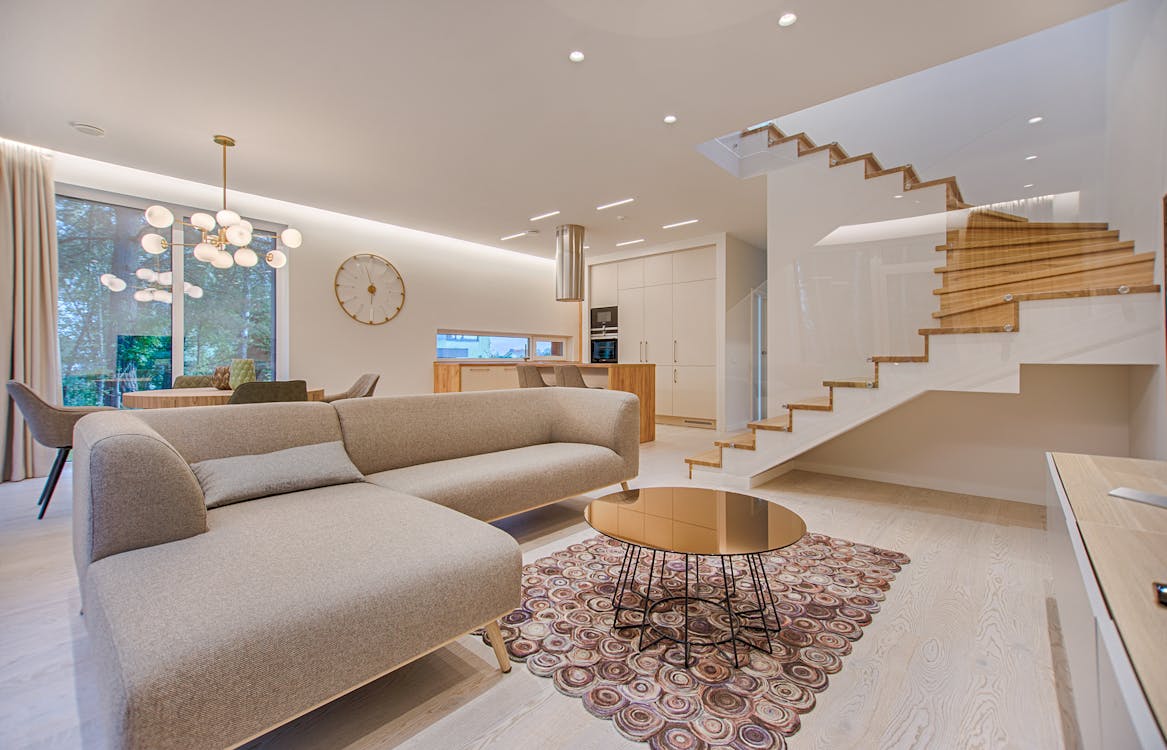
Moving out of university halls or your family home and into your first student house is a major milestone. It’s an exciting leap into greater independence, freedom, and the true university experience. However, with that freedom comes a new set of responsibilities that can feel overwhelming at first. Unlike the all-inclusive simplicity of halls, a student house requires you to manage bills, cleaning, and living harmoniously with your housemates. Don’t worry, though! A little preparation can make all the difference.
This comprehensive guide is designed to walk you through everything you need to know, from signing the contract to making your new house feel like a home. By following these essential tips, you can avoid common pitfalls, reduce stress, and ensure your transition into student living is as smooth and enjoyable as possible.
1. Master Your Finances: A Guide to Student House Bills
Perhaps the biggest change from living in halls is the responsibility of managing household bills. Forgetting to set these up can lead to a stressful start with no Wi-Fi or hot water. Getting organized from day one is crucial.
What to Sort Out Immediately:
- Take Meter Readings: The very first thing you should do upon receiving your keys is locate the gas and electricity meters. Take a clear photo of the readings and email it to your letting agent or landlord. This creates a timestamped record and ensures you aren’t charged for the previous tenants’ usage.
- Set Up Utilities: You’ll need to set up accounts for gas, electricity, and water. Use price comparison websites like Uswitch or MoneySupermarket to find the best deals in your area. Don’t just stick with the supplier the previous tenants used, as you can often find significant savings by switching.
- Broadband is a Priority: In today’s world, internet is a non-negotiable utility for studying and socializing. Be aware that installation can sometimes take several weeks. Research providers and book your installation date well before you move in to avoid a painful, connection-free period.
- TV Licence: If you plan to watch live TV on any channel, or use BBC iPlayer on any device (including a laptop, phone, or tablet), you legally need a TV Licence. You can split the cost between all housemates.
How to Manage Payments:
Decide with your housemates how you will handle payments to avoid confusion and arguments. Common methods include opening a joint bank account for all bills, nominating one person to pay everything and be reimbursed (apps like Splitwise are great for tracking this), or using a dedicated student bills company that bundles everything into one simple monthly payment per person.
Don’t Forget Council Tax Exemption!
As full-time students, you are exempt from paying Council Tax. However, the council doesn’t automatically know this. You must actively apply for an exemption certificate from your local council’s website, usually by providing proof of your student status for everyone living in the house. Do this early to avoid receiving intimidating payment letters.
2. Know Your Rights: Understanding Your Tenancy Agreement and Inventory
Before you even think about decorating, you need to handle the paperwork. Your tenancy agreement is a legally binding contract, and understanding it is vital for protecting yourself and your deposit.
Read the Fine Print:
Don’t just skim it. Read every clause of your tenancy agreement. Pay close attention to rules about decorating, guests, ending the tenancy early, and your responsibilities for maintenance. If there’s anything you don’t understand, ask the letting agent or a university housing advisor before you sign.
The Inventory is Your Shield:
You will be given an inventory report, which is a detailed list of the property’s contents and their condition. Your job is to go through the house, room by room, and check that the inventory is accurate. Note down any discrepancies, no matter how small—scuff marks on the wall, a stain on the carpet, a crack in a window. Take your own photos and videos as evidence. Report these issues to your landlord or agent in writing within the first few days. This process is your single best protection against unfair deposit deductions when you move out.
3. Domestic Harmony: Creating a Fair and Effective Cleaning Rota
If you were lucky enough to have cleaners in halls, you’re in for a change. A clean house is a happy house, and keeping it that way requires teamwork. Arguments over whose turn it is to take the bins out are a classic student house cliché for a reason. A cleaning rota is the best way to prevent resentment from building up.
Create a System That Works:
- Divide the Labour: Break down all the essential chores for common areas: emptying all bins, wiping down kitchen surfaces, cleaning the bathroom, vacuuming the living room and hallways.
- Rotate Weekly: Assign specific tasks to each housemate and rotate them weekly. This ensures everyone does their fair share of both the easy and the less pleasant jobs.
- Establish a “Clean As You Go” Rule: The rota should be for the big weekly cleans. Day-to-day tidiness, like washing your own dishes and wiping up spills, should be an unwritten rule that everyone respects.
- Pool Your Resources: Create a shared house fund for cleaning supplies. Everyone can chip in a small amount each month to cover bin bags, washing-up liquid, surface spray, and toilet paper.
4. The Laundry Conundrum: Drying Clothes Without Breaking the Bank
With multiple people doing laundry, finding space to dry everything can be a challenge. While a tumble dryer is convenient, it’s also one of the most energy-hungry appliances in a home. Over-relying on it will significantly increase your electricity bill.
Investing in a sturdy clothes airer or drying rack is a smart move. It allows you to dry clothes for free and helps avoid draping damp, musty laundry over radiators. This is not only unsightly but can also cause condensation and lead to damp and mould problems, which can be a health hazard and a reason for landlords to withhold your deposit. Always ensure the room is well-ventilated when drying clothes indoors.
5. From Pot Noodle to Paella: Mastering the Student Kitchen
Moving into a house with a proper kitchen is your chance to leave expensive campus food and takeaways behind. Learning to cook is an essential life skill that will save you a fortune. Cooking for yourself is almost always cheaper, healthier, and more satisfying.
Embrace House Meals:
Cooking together as a house, even just once or twice a week, is a fantastic way to bond and save money. You can buy ingredients in bulk, which is more cost-effective, and take turns cooking for each other. It turns a daily chore into a fun, social event. Start with simple, crowd-pleasing meals like spaghetti bolognese, chilli con carne, or a big curry.
Stock Your Pantry:
Keep your cupboards stocked with budget-friendly staples like pasta, rice, tinned tomatoes, beans, onions, garlic, and a good selection of herbs and spices. With these basics on hand, you can always whip up a cheap and tasty meal.
6. Personalize Your Space: How to Decorate on a Student Budget
One of the best things about a student house is having more space to make your own. Your room is your sanctuary, so making it feel like home is important for your well-being. However, always check your tenancy agreement before you start decorating.
Damage-Free Decorating:
Most landlords prohibit using nails, screws, or anything that leaves a mark. Blu-Tack can also stain walls, leading to deposit deductions. Instead, get creative with damage-free solutions:
- Command Strips: These are your best friend for hanging pictures, posters, and even small shelves without leaving a trace.
- Fairy Lights and Textiles: String lights can instantly create a cozy atmosphere. A colourful rug, new bedding, cushions, and throws can completely transform a bland room.
- Plants: A few low-maintenance houseplants can purify the air and make your space feel more alive and welcoming.
- Washi Tape: This decorative tape is perfect for creating patterns on walls or framing posters without damaging the paint.
7. Stay Safe and Secure in Your New Home
Your personal safety should always be a top priority. When you move in, take a moment to assess the house’s security features.
Check that all windows and external doors have working locks. Get into the habit of locking the front door, even when you’re inside. Student areas can sometimes be targets for burglaries, so don’t leave expensive items like laptops and phones visible from the windows. Finally, test the smoke alarms and carbon monoxide detectors to ensure they are working correctly.
8. Mastering the Art of Being a Good Neighbour
Remember that you might not be living next to other students. You could have families with young children or elderly people as neighbours. Being considerate is key to a peaceful year.
Introduce yourselves when you move in—a friendly hello goes a long way. Be mindful of noise, especially late at night on weekdays. If you’re planning a party, it’s courteous to give your neighbours a heads-up and a number to contact you on if things get too loud. Also, be sure to know your bin collection days and bring the bins in promptly after they’ve been emptied.
Conclusion: Enjoy Your Newfound Freedom
Moving into your first student house is an adventure. While there’s a lot to organize at the beginning, getting these key tasks sorted early on will set you up for a stress-free and fantastic year. It’s a time for making memories, strengthening friendships, and learning valuable life skills. Embrace the responsibility, communicate openly with your housemates, and most importantly, have fun creating a home away from home.