

Sonsuza Dek Yalnız Kalmanın Garantili Yolları
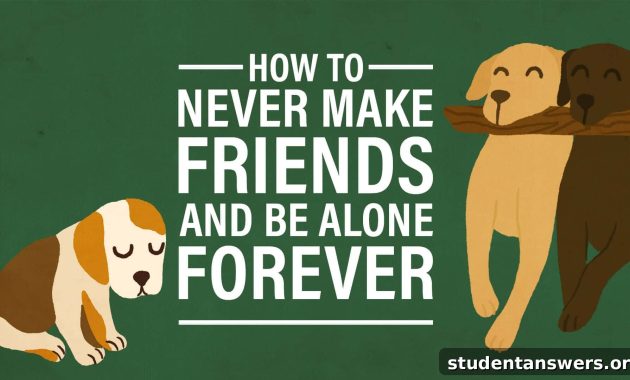
The Ultimate Guide to Making Friends and Building Lasting Connections
It’s often said that humans are inherently social beings, but in a world that feels more disconnected than ever, forging new friendships can feel like a monumental task. Whether you’ve recently moved to a new city, find your social circle shrinking, or simply want to enrich your life with new people, understanding the art of connection is a skill worth mastering. While it may seem daunting, making friends is a process built on simple, repeatable actions.
This comprehensive guide will walk you through actionable strategies to not only meet new people but also to nurture those initial encounters into meaningful, lasting friendships. Forget the idea that friendships just “happen.” Like any valuable part of life, they require intention, effort, and a bit of courage. Let’s break down the practical steps you can take to build the vibrant social life you deserve.

Master the Art of Approaching People and Starting Conversations
The single biggest hurdle for most people is the initial approach. The fear of rejection or saying the wrong thing can be paralyzing. However, the key is to shift your mindset from “What if they don’t like me?” to “I’m curious about this person.” People are generally receptive to friendly interactions. The secret is to make it natural and low-pressure.
Start by leveraging your environment. If you’re at a coffee shop, you could ask the person next to you what they’re reading or comment on their interesting laptop stickers. If you’re at a concert, you can ask about their favorite song by the artist. These situational openers feel organic and provide an easy entry point. Practice the “five-second rule”: when you see an opportunity to talk to someone, start moving towards them within five seconds before your brain can talk you out of it. Your opening line doesn’t need to be perfect; a simple “Hi, I’m [Your Name]” is often enough. The goal is to open the door, not to deliver a flawless monologue.
Why Improving Your Social Skills is a Lifelong Journey
Many people believe that social skills are an innate trait—you either have them or you don’t. This couldn’t be further from the truth. Socializing is a skill, just like playing the piano or learning a new language. It requires practice, observation, and a willingness to improve. Instead of avoiding social situations, view them as opportunities to practice.
One of the most crucial social skills is active listening. This means you’re not just waiting for your turn to speak; you’re genuinely absorbing what the other person is saying. Ask follow-up questions that show you’re engaged. For example, if they mention they went hiking, ask “Oh, where did you go?” or “What was the most scenic part of the trail?” This validates their experience and makes them feel heard. Pay attention to non-verbal cues as well—body language and tone of voice often communicate more than words alone. Investing time in learning these skills will pay dividends in every relationship you build.
Taking Initiative: The Power of Being the Organizer
It’s a common misconception that you should wait to be invited to things. In reality, most people are passive and caught up in their own busy lives. They would love to socialize more but rarely take the step to make it happen. You can be the catalyst. Being the person who initiates plans is one of the fastest ways to build a social life.
This doesn’t mean you have to throw elaborate parties. Start small. If you have a good conversation with someone, end it with a concrete, low-stakes invitation. Instead of the vague “We should hang out sometime,” try “I’m planning to check out that new taco place on Friday, would you be interested in joining?” This gives a specific time and activity, making it easy for the other person to say yes. By being the one who organizes, you not only create opportunities for connection but also signal to others that you value their company and want to invest time in getting to know them better.
Show Genuine Interest: The Key to Authentic Connection
Dale Carnegie, in his timeless book How to Win Friends & Influence People, famously stated, “You can make more friends in two months by becoming interested in other people than you can in two years by trying to get other people interested in you.” This principle is the bedrock of all strong relationships. People are naturally drawn to those who make them feel interesting, valued, and understood.
When you’re talking to someone, make it your mission to learn about them. What are they passionate about? What challenges are they facing? What brings them joy? Ask open-ended questions that can’t be answered with a simple “yes” or “no.” For example, instead of “Do you like your job?” ask “What’s the most interesting project you’re working on right now?” When they share something, remember it. Bringing up a detail they mentioned in a previous conversation—like asking how their pet’s vet appointment went—is an incredibly powerful way to show you care and were truly listening.
Expand Your Social Circle by Exploring New Hobbies
One of the most effective ways to meet new people is to put yourself in new situations. Relying on your existing routine will yield the same results. You need to expand your environment. The best way to do this is by joining groups or activities centered around a shared interest. This provides a natural, built-in topic of conversation and ensures you already have something in common with everyone there.
Consider your interests. Do you enjoy fitness? Join a running club or a climbing gym. Are you creative? Sign up for a pottery class or a writing workshop. Are you passionate about a cause? Volunteer for a local non-profit. These structured environments facilitate repeated interaction, which is crucial for friendship formation. Seeing the same faces week after week in a positive setting allows connections to develop organically, without the pressure of a formal “networking” event.
Give Friendships Time to Grow: The Proximity Principle
We often see friendships in movies that start with an instant, magical “click.” While this can happen, most deep and lasting friendships are built slowly over time. A study highlighted by Lifehacker suggests it can take around 90 hours of time together to move from an acquaintance to a friend. The key ingredient is consistent and repeated interaction.
Don’t be discouraged if you don’t feel an immediate, profound connection with someone. The most important thing is to keep showing up. If you meet someone interesting at a book club, make sure you go to the next meeting. If a coworker invites you to lunch, accept the invitation. This consistent exposure, known as the proximity principle, is what builds the familiarity and trust necessary for a true friendship to blossom. Be patient with the process and focus on enjoying the journey of getting to know someone, rather than rushing towards a predefined outcome.
Become the Person You’d Want to Be Friends With
Finally, a crucial part of attracting great friends is becoming a great friend yourself. This involves a degree of self-reflection and personal growth. Ask yourself: What qualities do I value in a friend? Am I embodying those qualities myself? If you want friends who are positive, reliable, and interesting, it’s important to cultivate those traits in your own life.
Invest in your own hobbies and passions. Having a rich and fulfilling life of your own makes you a more interesting and engaging person to be around. It also means you aren’t relying on others for your happiness, which reduces pressure on your friendships. Work on being a positive and supportive presence. Celebrate your friends’ successes, offer a listening ear during their struggles, and be someone they can count on. When you focus on being the best version of yourself, you will naturally attract people who appreciate and resonate with who you are.
Valuable Resources for Building Your Social Skills
If you’re looking to dive deeper, these resources offer fantastic insights into the dynamics of human connection and personal development:
- How to Win Friends & Influence People, by Dale Carnegie: A classic guide to improving your people skills through genuine interest and empathy.
- The Power of Habit, by Charles Duhigg: Understanding how habits are formed can help you build positive social routines.
- Charisma on Command on YouTube: A channel full of practical, video-based advice on confidence and social dynamics.
- Lifehacker’s 90 Hours to Make a New Friend article: An insightful look at the time investment required to build meaningful connections.
Conclusion: The Effort is Worth the Reward
Building a strong social life is an active, ongoing process. It requires stepping out of your comfort zone, being proactive, and showing genuine care for others. While it may take effort, the rewards are immeasurable. Friendships enrich our lives, provide support during tough times, and amplify our joy during celebrations. Start by applying just one of these principles today. Be brave, be curious, and be patient. The connections you’re looking for are out there waiting for you.