

Clash of the Carnival Titans Notting Hill vs Rio
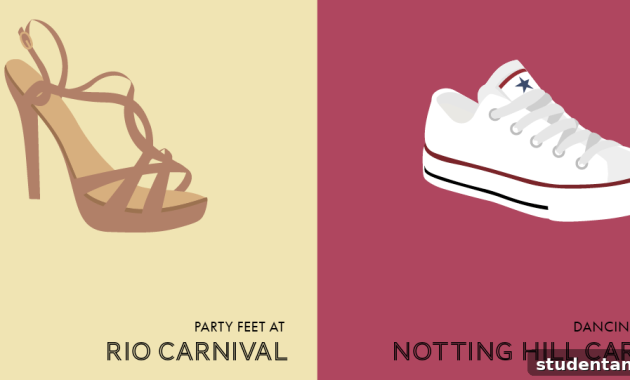
Notting Hill Carnival vs. Rio Carnival: The Ultimate Street Party Showdown
When it comes to world-famous street festivals, two names immediately command attention: London’s Notting Hill Carnival and Brazil’s Rio Carnival. Both are explosive celebrations of culture, music, and community, drawing millions of revellers into a whirlwind of colour and sound. But while they share a common spirit of joyous abandon, these two iconic events offer vastly different experiences. Inspired by the vibrant energy of these global phenomena, we delve into a detailed comparison of their sights, sounds, and unique cultural tapestries.
From the historic streets of West London to the sun-drenched avenues of Rio de Janeiro, each carnival tells a unique story. One is a grassroots celebration of Caribbean heritage in the heart of the UK, while the other is a world-renowned, competitive spectacle rooted in centuries of Brazilian history. This is the ultimate showdown: Notting Hill Carnival versus Rio Carnival. Let’s explore what makes each of these parties a once-in-a-lifetime experience.
A Tale of Two Origins: History and Heritage
Understanding the history of these carnivals is key to appreciating their distinct atmospheres. Their roots are deeply embedded in the social and cultural fabric of their respective cities, born from very different circumstances but sharing a common theme of expression and identity.
Notting Hill Carnival: A Celebration of Caribbean Culture in London
The story of Notting Hill Carnival begins not on the streets, but as a response to adversity. Established in 1966, its origins are deeply connected to London’s Caribbean communities, particularly the Windrush generation who came to the UK after World War II. In the late 1950s, the area faced significant racial tension. As a symbol of unity and a powerful cultural statement, Trinidadian activist Claudia Jones organized an indoor Caribbean carnival to celebrate her heritage and foster community spirit. This event laid the groundwork for the outdoor festival we know today. The first outdoor procession was organized by Rhaune Laslett, a local resident, to bring together the diverse cultures of the neighborhood. Since then, it has blossomed into Europe’s largest street festival, a vibrant two-day event held annually over the August Bank Holiday weekend, attracting over a million visitors who come to celebrate Caribbean and Black British culture.
Rio Carnival: Centuries of Brazilian Tradition
The world-famous Rio Carnival, by contrast, has a much longer and more complex history, dating back to 1723. Its origins lie in the Portuguese festival of *Entrudo*, a rather chaotic celebration where people would throw water, flour, and mud at each other. Over time, this European tradition was profoundly influenced by the music and dance of African slaves brought to Brazil. In the early 20th century, the first samba schools (*escolas de samba*) were formed in the favelas of Rio. These schools became the cultural heart of the carnival, transforming it into a more organized and spectacular parade. Today, the Rio Carnival is a five-day extravaganza culminating in the highly competitive Samba Parade at the purpose-built Sambadrome, where millions tune in to watch the schools vie for the championship title.
The Vibe and the Venue: Urban Streets vs. The Grand Stage
The setting of a carnival dramatically shapes the visitor’s experience. While both events take over their cities, the way they occupy the space could not be more different.
Notting Hill’s Urban Beat
Notting Hill Carnival is a raw, organic, and immersive urban experience. It doesn’t take place in a stadium or a closed-off arena; it unfolds directly within the residential streets of Notting Hill, Ladbroke Grove, and Westbourne Park. This creates a unique atmosphere where the party feels deeply connected to the local community. Party-goers dance past townhouses, and residents often join the festivities from their own balconies and front gardens, some even setting up their own sound systems. The event is completely free and open to everyone, fostering a sense of spontaneous and inclusive celebration. The dense crowds move as one entity through the narrow streets, creating an electrifying sensory overload that is both intense and exhilarating.
Rio’s Epic Sambadrome and City-Wide Blocos
Rio Carnival operates on a dual system. The main event, the world-renowned Samba Parade, is a highly produced, ticketed affair held in the Sambadrome, a massive parade runway flanked by grandstands that can hold over 90,000 spectators. This is where the top samba schools perform in a dazzling, choreographed competition. However, beyond this formal spectacle, the entire city of Rio erupts into a massive party. Hundreds of *blocos*—free street parties organized by neighbourhood groups—take over the streets. These *blocos* are much more akin to Notting Hill’s vibe, offering a more spontaneous and participatory experience where anyone can join in and dance behind the music trucks. So, while Rio has its grand, formal stage, it also offers a sprawling, city-wide street party for all.
The Rhythmic Heartbeat: Music and Dance
Music is the soul of any carnival, and the distinct sounds of Notting Hill and Rio define their identities.
Notting Hill’s Caribbean Soul: Steel Bands and Sound Systems
The soundtrack to Notting Hill Carnival is a powerful mix of Caribbean genres. The most iconic sound is that of the steel pan bands, whose melodic, metallic rhythms echo through the streets, a direct cultural import from Trinidad and Tobago. Alongside the moving floats and parades, dozens of towering, static sound systems are set up on street corners, each blasting out a deafening mix of Soca, Calypso, Reggae, Dancehall, and Bashment. The dancing is energetic, free-form, and deeply participatory. It’s less about choreographed routines and more about feeling the rhythm and expressing yourself in the crowd.
Rio’s Samba Symphony: The Power of the Samba Schools
In Rio, one rhythm reigns supreme: Samba. The entire carnival revolves around this quintessentially Brazilian music and dance form. The samba schools, which are vast community organizations, spend the entire year preparing their parade entry. Each school presents a specific theme, which is conveyed through their music, floats, and costumes. The dancing in the main parade is a spectacular display of skill and choreography, led by incredibly talented *passistas* (samba dancers) in magnificent costumes. The beat is infectious and driven by a massive percussion section known as the *bateria*, whose powerful rhythms are the heartbeat of the entire event.
A Feast for the Senses: Food and Drink
No carnival experience is complete without indulging in the local flavours. The street food and drinks on offer are an essential part of the cultural immersion.
Tastes of Notting Hill: A Caribbean Barbecue
The air at Notting Hill Carnival is thick with the irresistible aroma of smoky barbecue. The undisputed king of carnival food is jerk chicken, marinated in fiery spices and cooked slowly over charcoal-filled oil drums on the roadside. Alongside this classic, you’ll find vendors selling other Caribbean staples like curry goat, rice and peas, Jamaican patties, and fried plantain. To wash it all down, the drink of choice is often a no-frills can of Red Stripe, a Jamaican lager, or a potent homemade rum punch served in a plastic cup.
Flavors of Rio: Caipirinhas and Street Skewers
In Rio, the party is fuelled by Brazil’s national cocktail, the Caipirinha. Made with cachaça (a spirit distilled from sugarcane), sugar, and lime, this refreshing drink is sold at countless stalls throughout the city. The go-to street food is the *espetinho*, a simple but delicious grilled kebab of meat or cheese. For a more substantial meal, revellers might seek out a bowl of *feijoada*, a rich black bean and pork stew that is considered Brazil’s national dish. The food and drink in Rio are all about keeping your energy up for hours of dancing in the hot Brazilian sun.
The Final Verdict: Which Carnival Is for You?
While both carnivals promise an unforgettable party, they cater to different tastes. Choosing between them depends on the kind of experience you are seeking.
- Choose Notting Hill Carnival if: You crave a raw, authentic, and grassroots street party. You love Caribbean music, from steel pans to soca, and want a completely free and non-ticketed event. You thrive in dense, energetic crowds and enjoy the feeling of a massive, unified celebration unfolding in a living, breathing urban neighbourhood.
- Choose Rio Carnival if: You want to witness a world-class, theatrical spectacle of epic proportions. You are fascinated by the artistry and competitive spirit of the samba schools. You want the best of both worlds: a highly produced, ticketed main event combined with hundreds of free-roaming street parties (*blocos*) across a stunning coastal city.
Ultimately, whether it’s the Caribbean rhythms of West London or the samba beats of Brazil, both spectacles are a powerful testament to the unifying force of music, dance, and cultural pride. They are high-octane celebrations that honour the diverse heritage of their communities. One thing is certain: there truly is no party quite like a carnival.