
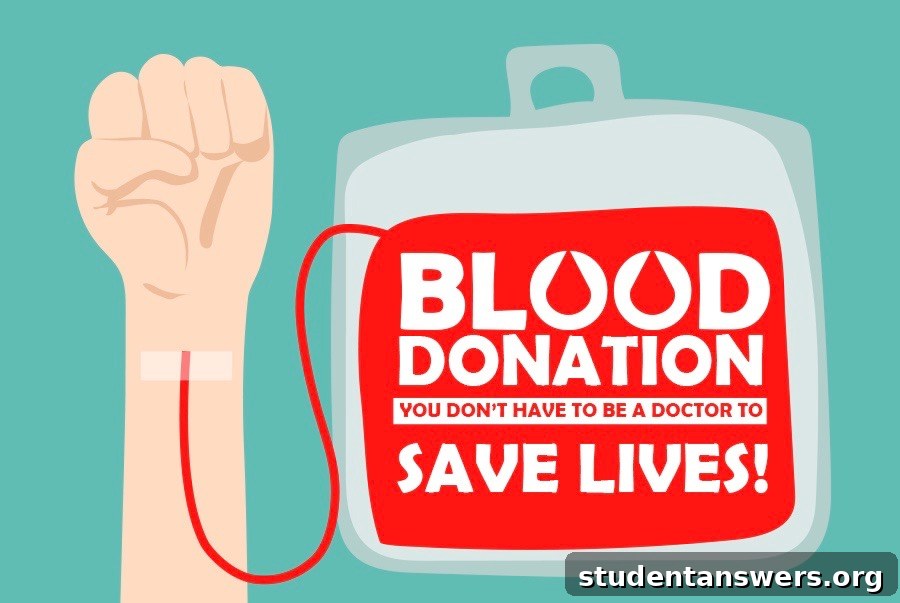
The Ultimate Guide to Blood Donation: How You Can Save a Life
Every few seconds, someone somewhere in the world needs blood. From accident victims and surgery patients to individuals battling cancer or chronic illnesses, the demand for safe, donated blood is constant and universal. While medical science has achieved incredible feats, one thing it cannot do is manufacture human blood. It can only come from one place: a generous volunteer donor. Donating blood is a simple, safe, and profoundly impactful act of kindness. A single donation can help save up to three lives, making it one of the most direct ways you can contribute to the well-being of your community. This comprehensive guide will walk you through everything you need to know about the blood donation process, from eligibility and preparation to the immense benefits for both the recipient and the donor.
Why Is Blood Donation So Crucially Important?
The need for blood is a silent crisis that affects every community. Unlike other medical resources, blood is perishable and has a limited shelf life. Red blood cells must be used within 42 days, while platelets are only viable for about five days. This means that a steady stream of donations is essential to ensure that hospitals and emergency services have the supply they need at a moment’s notice. Your donation could be used for:
- Emergency and Trauma Care: Victims of car accidents, natural disasters, and other emergencies often require large volumes of blood to survive.
- Surgical Procedures: Many complex surgeries, including cardiovascular and transplant operations, depend on a ready supply of blood.
- Cancer Treatment: Chemotherapy and radiation can damage a patient’s bone marrow, reducing their ability to produce new blood cells. Transfusions are vital for their treatment and recovery.
- Chronic Illnesses: Patients with conditions like sickle cell anemia and thalassemia require regular blood transfusions to manage their health and lead a normal life.
- Childbirth Complications: Severe bleeding during or after childbirth is a major cause of maternal mortality, and timely transfusions are life-saving.
Are You Eligible to Be a Blood Donor? Key Requirements
Most healthy adults can donate blood. While specific criteria may vary slightly by country and organization (like the Red Cross or national blood services), the general requirements are designed to protect the health of both the donor and the recipient. Here are the fundamental eligibility guidelines:
- Age: You must typically be at least 17 or 18 years old. In some regions, 16-year-olds can donate with parental consent. There is usually no upper age limit, as long as you are in good health.
- Weight: Donors generally need to weigh at least 110 pounds (50 kg) to ensure they can safely donate a standard unit of blood without adverse effects.
- General Health: You must be feeling well and in good overall health on the day of your donation. You cannot donate if you have a cold, flu, sore throat, or any other active infection.
- Hemoglobin Levels: Before you donate, a staff member will perform a quick finger-prick test to check your hemoglobin (iron) levels. This ensures that donating will not make you anemic.
Common Reasons for Temporary or Permanent Deferral
Sometimes, you may be asked to wait before donating. This is called a deferral. A temporary deferral means you can donate at a later date, while a permanent deferral means you are unable to donate. These rules are in place for safety.
- Recent Tattoos or Piercings: If you recently got a tattoo or piercing from a non-regulated facility, you may be deferred for several months to a year.
- Travel to Certain Countries: Travel to areas with a high risk of diseases like malaria or Zika virus can result in a temporary deferral.
- Medications: Most medications do not disqualify you from donating, but some, like certain antibiotics, blood thinners, or acne treatments, may require a waiting period.
- Low Iron: If your hemoglobin level is too low on the day of donation, you will be asked to wait and focus on eating iron-rich foods before trying again.
- Certain Medical Conditions: Chronic illnesses like HIV/AIDS, hepatitis B or C, and some types of cancer will result in a permanent deferral.
The Blood Donation Process: A Step-by-Step Guide
For first-time donors, the process might seem intimidating, but it’s a straightforward and well-managed procedure. A typical whole blood donation takes about an hour from start to finish, with the actual donation lasting only 8-10 minutes.
1. Before Your Donation
Proper preparation can make your donation experience smooth and comfortable. In the 24 hours leading up to your appointment, be sure to:
- Hydrate: Drink plenty of water. Good hydration makes your veins easier to find and helps you feel better after donating.
- Eat a Healthy Meal: Eat a solid, iron-rich meal a few hours before you donate. Avoid fatty foods, as they can affect the quality of the blood tests.
- Get a Good Night’s Sleep: Being well-rested will help you feel your best.
- Bring an ID: You will need a valid photo ID, such as a driver’s license or passport.
2. Registration and Health Screening
When you arrive at the donation center, you will be greeted and asked to register. This involves filling out a confidential questionnaire about your health history, travel, and lifestyle. This information is crucial for ensuring the safety of the blood supply. Afterward, a staff member will take you to a private area for a mini-physical, which includes checking your temperature, pulse, blood pressure, and hemoglobin level.
3. The Donation
Once you are cleared, you’ll be taken to a donor chair. A phlebotomist will clean an area on your arm and insert a new, sterile needle. You will feel a brief pinch, and then the process is largely painless. A unit of whole blood (about one pint) is collected over 8-10 minutes. During this time, you can relax, read, or chat with the staff. All collection equipment is sterile and used only once, so there is no risk of contracting any disease.
4. After Your Donation
After the donation is complete, the needle is removed, and a bandage is applied to your arm. You will be asked to rest for 10-15 minutes in a refreshment area, where you’ll be offered snacks and drinks. This helps your body replenish fluids and sugar levels. For the rest of the day, you should:
- Continue drinking extra fluids.
- Avoid strenuous physical activity or heavy lifting.
- Keep the bandage on for a few hours.
- Feel proud of the amazing gift you’ve just given!
The Incredible Benefits of Donating Blood
The most obvious benefit of donating blood is the direct impact on the lives of others. However, the act of giving also offers surprising benefits for the donor.
- A Free Health Check-up: The mini-physical you receive before each donation provides a valuable snapshot of your vital signs and hemoglobin levels, which can help detect potential health issues.
- A Sense of Purpose and Satisfaction: Knowing you have helped save a life provides an incredible psychological boost. It connects you to your community in a deeply meaningful way.
- Reduced Iron Levels: For some people, particularly men and post-menopausal women, donating blood can help reduce excess iron stores in the body, which may contribute to a lower risk of certain health conditions.
Your Donation is a Gift of Life
In a world where we often feel powerless to make a real difference, donating blood stands out as a simple, safe, and powerful way to have an immediate positive impact. It costs you nothing but a little of your time, yet it is a priceless gift for someone in need. A single car accident victim can require as many as 100 units of blood. A premature baby may need a transfusion to survive. A cancer patient relies on platelets to get through chemotherapy. Your donation matters more than you can imagine.
If you are eligible, consider making blood donation a regular part of your life. Schedule an appointment at your local blood center today. Encourage your friends, family, and colleagues to join you. Be a hero. Be a blood donor. You have the power to save a life.