

Advancing Science While Accessing New Treatments
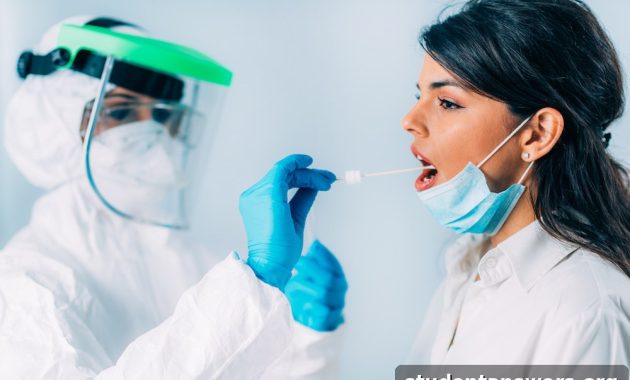

As a student, balancing your studies, social life, and finances can be a constant challenge. You might be searching for flexible ways to earn money that fit around your demanding schedule, or perhaps you’re driven by a desire to contribute to society in a meaningful way. What if you could achieve both? Participating in paid clinical trials offers a unique opportunity for students to earn a significant income while playing a vital role in the advancement of modern medicine.
If you are in good health and meet the specific criteria for a study, you are eligible to apply. While some trials require participants with particular medical conditions, many actively seek healthy volunteers to establish a baseline for new treatments. Requirements can vary widely, from lifestyle habits like being a non-smoker to specific demographic criteria. If this sounds like a compelling opportunity, this comprehensive guide will explore the many reasons why students should consider participating in clinical research.
What Exactly Are Clinical Trials?
Before diving into the benefits, it’s essential to understand what clinical trials are. In simple terms, a clinical trial is a research study involving human volunteers, designed to answer specific questions about new treatments, vaccines, or diagnostic procedures. These trials are the final and most crucial step in medical research, determining if a new medical approach is safe and effective for people. They are carefully structured into several phases:
- Phase I: This is the first time a new drug or treatment is tested on a small group of healthy volunteers (typically 20-80 people). The primary goal is to evaluate its safety, determine a safe dosage range, and identify side effects.
- Phase II: If the treatment is deemed safe in Phase I, it moves to Phase II. Here, it is given to a larger group of people (typically 100-300) who have the particular condition the drug is intended to treat. This phase focuses on effectiveness and further evaluates its safety.
- Phase III: In this phase, the treatment is tested on an even larger group of participants (several hundred to several thousand). The goal is to confirm its effectiveness, monitor side effects, compare it to commonly used treatments, and collect information that will allow it to be used safely on a wider scale.
- Phase IV: Also known as post-marketing surveillance trials, this phase occurs after the treatment has been approved and is available to the public. These studies track its safety, risks, benefits, and optimal use in the real world over a longer period.
As a student volunteer, you would most likely participate in Phase I trials as a healthy subject, or potentially other phases if you have a specific condition being studied.
The Financial Reward: Get Paid for Your Time and Contribution
Let’s address one of the most attractive aspects for students: financial compensation. Clinical trials pay participants for their time, commitment, and contribution to the study. The amount you can earn varies significantly depending on the trial’s duration, the level of involvement required (e.g., overnight stays vs. occasional visits), and the procedures involved. Compensation can range from a few hundred pounds for a short study to several thousand for a more intensive, long-term trial.
For example, some studies might only require you to give blood samples and attend a few check-ups over several weeks. In contrast, residential trials, such as sleep studies, might require you to live in a controlled facility for a week or more. While there, all your meals and accommodation are provided, and you might spend your time reading, studying, or even playing video games—all while being paid generously. This income can be a game-changer for a student, helping to cover tuition fees, rent, textbooks, or simply reducing financial stress, allowing you to focus more on your studies.
The Altruistic Impact: Make a Direct Contribution to Human Health
Beyond the financial incentive, participating in a clinical trial is an act of profound altruism. Every medicine you’ve ever taken, from a simple painkiller to a life-saving antibiotic, exists because people like you volunteered for clinical trials. Your participation directly helps researchers and scientists gather the data needed to develop new cures, treatments, and vaccines for diseases that affect millions worldwide.
Think of the recent global effort to develop COVID-19 vaccines. That historic achievement was only possible because tens of thousands of volunteers stepped forward to participate in trials. By taking part, you could be a crucial link in the chain of discovery for a new cancer treatment, a therapy for Alzheimer’s disease, a vaccine for a future pandemic, or a better way to manage diabetes. You are not just a data point; you are an active partner in pushing the boundaries of medical science and improving the quality of life for future generations. This sense of purpose and contribution is a reward in itself.
A Safe and Highly Controlled Environment
A common concern for potential participants is safety. It’s natural to be cautious about testing a new medical product. However, it’s crucial to understand that clinical trials in the UK and other developed countries operate under incredibly strict ethical and safety regulations. Before a trial can even begin, it must be approved by an independent ethics committee or Institutional Review Board (IRB).
This board, composed of doctors, scientists, and laypeople, meticulously reviews the study’s protocol to ensure that the potential benefits outweigh the risks and that participants’ rights and well-being are protected. Furthermore, the principle of “informed consent” is paramount. Before you agree to anything, you will receive detailed information about the study’s purpose, procedures, potential risks, and benefits. You will have the opportunity to ask any questions you have, and you are free to withdraw from the study at any time, for any reason, without penalty. Throughout the trial, you will be under the constant care of a team of medical professionals who monitor your health closely, ensuring every precaution is taken for your safety.
A Unique Contribution to Medical Science
Who doesn’t want better, more effective healthcare in the future? When you participate in a clinical trial, you become part of the engine that drives medical progress. These trials provide the hard, scientific evidence needed to prove which treatments work best. This data helps eliminate bias and outdated practices, ensuring that future medical decisions are based on robust, evidence-based facts.
Your involvement helps build a massive repository of knowledge that doctors and researchers will use for years to come. It helps them understand how different people might react to a treatment, leading to the development of more personalized medicine. As a participant, you gain a unique, firsthand insight into the scientific process. You’re not just reading about medical breakthroughs in a textbook; you are actively helping to create them. This experience can be particularly valuable for students in science or medical fields, but it is a powerful contribution for anyone, regardless of their area of study.
For students, participating in a paid clinical trial is a powerful, multi-faceted opportunity. It offers a practical solution to financial pressures while providing a chance to make a real, lasting impact on the world. You are helping to build a healthier future for everyone, and you are compensated for your invaluable role in that process.
Photo credit: microgen/123RF