

The Ultimate Backpack Loadout for Student Success
What’s in Your Backpack? The Ultimate College Essentials Checklist for 2024
Stepping onto a college campus is the start of a new chapter, one filled with lectures, late-night study sessions, and newfound independence. Your backpack is your mobile command center, the one thing that travels with you from the dorm to the lecture hall, the library, and the coffee shop. A well-packed backpack can be the difference between a smooth, productive day and a frantic search for a forgotten charger or a crucial notebook.
Gone are the days of just throwing a textbook and a pencil into a bag. Today’s college student needs a strategic mix of tech, traditional supplies, and personal items to navigate the demands of modern academic life. This guide will provide a comprehensive checklist of what every student should have in their backpack. We’ll cover everything from the best backpacks for the job to the essential items that will keep you organized, charged, and ready for whatever the semester throws at you.
How to Choose the Best Backpack for College
Before we dive into what goes inside, let’s talk about the bag itself. If you have a sturdy backpack that’s served you well, there’s no need to splurge on a new one. A reliable bag is a reliable bag. However, if you’re in the market for an upgrade, here are a few key features to look for and some top recommendations.
Key Features of a Great College Backpack
- Durability: Your backpack will carry heavy textbooks, a laptop, and more. Look for strong materials like nylon or canvas and reinforced stitching, especially on the straps.
- Comfort: You’ll be carrying this all day. Padded shoulder straps and a cushioned back panel are non-negotiable for preventing strain and discomfort.
- Laptop Protection: A dedicated, padded laptop compartment is essential. It protects your most expensive piece of tech from bumps and scratches. Ensure it’s the right size for your device.
- Organization: Multiple compartments, pockets, and organizers help you keep everything in its place. This prevents you from digging through a bottomless pit to find a pen or your keys.
- Weather Resistance: A water-resistant material can save your electronics and notes during an unexpected downpour on your way to class.
Top Backpack Recommendations
For the All-Rounder: The Wenger Synergy is a workhorse. It offers ample storage with intelligently designed compartments and a robust, padded sleeve that can securely fit laptops up to 16 inches. Its durable construction means it will likely last you all four years and beyond.
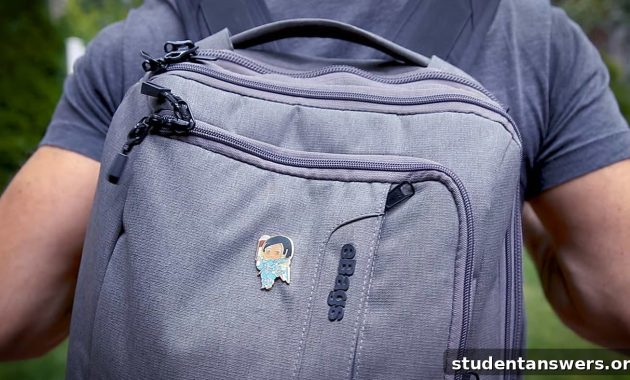
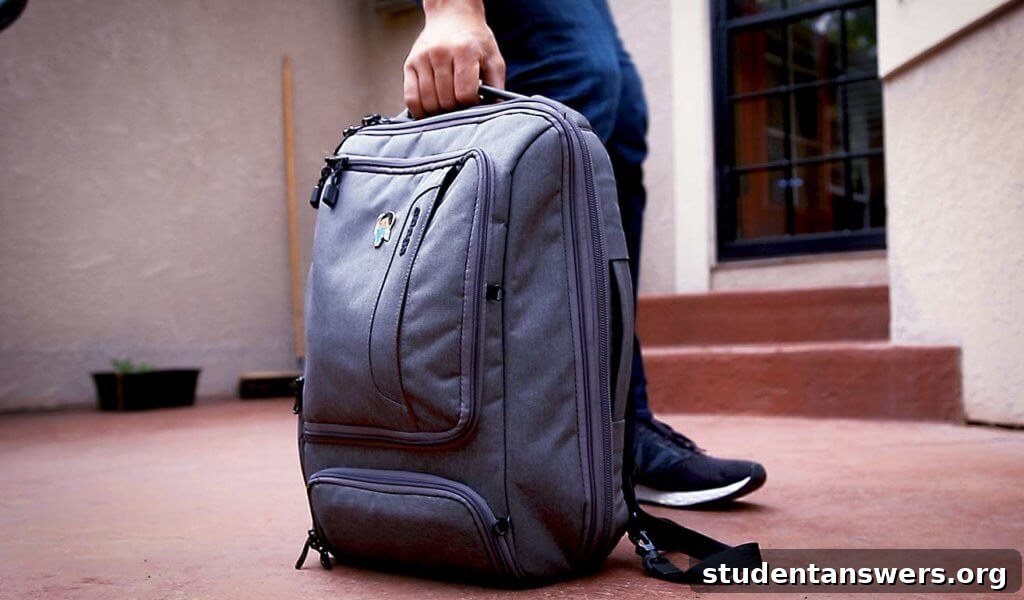
For the Organization Expert: If you love having a specific place for everything, the eBags Professional Slim Laptop Backpack is a fantastic choice. It features unique side-access compartments, a crush-proof pocket for chargers, and a streamlined design that looks professional without sacrificing functionality.
For Style and Simplicity: Brands like Herschel and The North Face offer stylish and highly functional backpacks. The North Face Recon, for example, combines a sleek look with excellent support and organization, making it a favorite on campuses everywhere.
The Ultimate College Backpack Checklist: 17 Must-Have Items
Once you’ve got your bag, it’s time to fill it. This checklist is broken down into categories to help you pack smart and stay prepared for every aspect of your day.
Academic Essentials
1. Laptop or Tablet: This is your primary tool for taking notes, writing papers, and accessing online resources. Before buying, check with your university or department for any specific software or hardware requirements. A model with a long battery life will be your best friend during back-to-back classes. Some top choices include the versatile Dell XPS 15 and the powerful MacBook Pro.
2. Laptop and Phone Chargers: A dead laptop or phone can derail your day. Always keep your chargers in your backpack. A pro tip is to buy a second set of chargers—one to keep in your bag and one to leave in your dorm room. That way, you’re never caught without power.
3. Portable Power Bank: Campus outlets can be surprisingly scarce, especially in crowded libraries or lecture halls. A portable power bank is a lifesaver, allowing you to charge your phone, tablet, or even some laptops on the go.
4. Pens, Pencils, and Highlighters: While digital notes are popular, many situations call for old-fashioned writing. Math and science classes often require drawing diagrams or writing complex equations by hand. Studies also suggest that writing by hand can improve memory retention. Stock up on reliable pens like the Pilot G2 and a good set of mechanical pencils.
5. Notebooks or a Binder System: You need a dedicated space for your handwritten notes. Classic Five Star notebooks are great for individual subjects. Alternatively, a binder system like the Five Star notebinder offers more flexibility, allowing you to rearrange notes and add handouts easily.
6. Textbooks: On days you have a class that requires the physical textbook, make a habit of packing it the night before. These books are heavy and easy to forget in a morning rush. To save money, explore options for renting or buying used or digital versions.
7. Scientific Calculator: If you’re a STEM major, a good scientific or graphing calculator is essential. Your professor will likely specify which model you need, but the TI-84 Plus is a standard choice for many math and science courses.
Tech and Entertainment
8. Headphones or Earbuds: Whether you need to focus in a noisy library, listen to a recorded lecture, or just unwind with music between classes, headphones are a must. Over-the-ear, noise-canceling headphones like these from Bose can create a personal bubble of focus. For portability and convenience, a pair of Apple AirPods or 1MORE Triple Driver earbuds are excellent options.
Personal Care and Comfort
9. Reusable Water Bottle: Staying hydrated is crucial for maintaining focus and energy throughout the day. A reusable water bottle is eco-friendly and saves you money. Most campuses have water fountains for easy refills. Choose from durable plastic like a Nalgene, insulated stainless steel like a Klean Kanteen, or a sleek glass bottle.
10. Healthy Snacks: Hunger can strike at the most inconvenient times. Packing snacks like almonds, granola bars, or an apple can prevent you from splurging on unhealthy vending machine options. It keeps your energy levels stable and your brain sharp.
11. Tissues and Hand Sanitizer: A small pack of tissues is incredibly versatile—for sneezes, spills, or as a makeshift napkin. Paired with hand sanitizer, you’ll be prepared for cold and flu season on campus.
12. Chapstick and Mints/Gum: These small items make a big difference in personal comfort. Chapstick is a must, especially in dry or cold climates. Gum or mints can give you a confidence boost before a presentation or after a coffee break.
13. Mini First-Aid Kit: You don’t need a full paramedic kit, but a small pouch with band-aids, pain relievers (like ibuprofen), and antiseptic wipes can be a real lifesaver for minor cuts, scrapes, or headaches. You can easily assemble your own or buy a pre-made compact kit.
Organization and Productivity
14. Student ID, Keys, and Wallet: These are your keys to campus life. Your student ID gets you into the library, gym, and dining hall. Keep them in a consistent, easily accessible pocket of your backpack to avoid panic-inducing searches.
15. Pocket Notebook: While you have larger notebooks for classes, a small pocket notebook like a Moleskine is perfect for capturing fleeting thoughts, to-do list items, or moments of inspiration. It helps you stay organized without having to pull out your laptop or phone.

16. A Book or E-Reader: You’ll inevitably have awkward gaps between classes. Instead of defaulting to scrolling on your phone, use that time to read. It’s a great way to de-stress, learn something new, and give your eyes a break from screens. An e-reader like the Kindle Paperwhite gives you access to a whole library in one lightweight device.
17. A Planner or Calendar App: While not physically in your bag (unless you use a paper planner), managing your time is crucial. Whether you use a physical planner or a digital calendar like Google Calendar, keeping track of assignments, exams, and appointments is fundamental to staying on top of your workload.
Your Backpack, Your Choice
This list provides a solid foundation for what to pack in your college backpack, but the perfect setup is ultimately a personal one. You might add an umbrella, a spare pair of contacts, or art supplies, depending on your needs and your climate. The key is to be intentional. By thinking through what you need for a successful day on campus, you can pack a backpack that not only carries your supplies but also reduces stress and sets you up for academic success.