
What do music legends like Kanye West and Beyoncé have in common with high-profile figures and fashion icons? It might surprise you, but they all share a love for one of the most revolutionary sneakers ever created: the Nike Air Max.
Born in 1987 from the visionary mind of designer Tinker Hatfield, the Nike Air Max was more than just a shoe. It was a cultural phenomenon. Inspired by the controversial inside-out architecture of the Centre Georges Pompidou in Paris, Hatfield dared to make the invisible visible. By carving a window into the shoe’s midsole, he exposed the Nike Air cushioning technology to the world, forever changing the landscape of footwear design. This “Visible Air” concept was not just an aesthetic choice; it was a statement of innovation and confidence. For three decades and counting, the Air Max line has grown to include over 70 distinct models, solidifying its place as one of Nike’s all-time best-selling and most beloved creations. From athletes to artists, it has been embraced by everyone.
To celebrate its enduring legacy, particularly around its anniversary on March 26th, known as Air Max Day, let’s embark on a creative journey. We’ll explore how some of the most famous shoe moments in cinematic history could be reimagined with the most iconic Air Max models. What if a glass slipper was a “Silver Bullet,” or ruby slippers were the original game-changer?
Cinderella’s Glass Slipper Reimagined: The Nike Air Max 97 OG QS “Silver Bullet”
The story of Cinderella is perhaps the most famous footwear-centric tale ever told. Her delicate glass slippers are not just shoes; they are the central plot device, a symbol of hope, transformation, and a love that transcends social status. Such a legendary moment in film deserves an equally legendary sneaker. For a modern retelling, we swap the fragile glass for the futuristic and fluid design of the Nike Air Max 97 OG QS “Silver Bullet.”
Inspired by the sleek silhouette of Japanese bullet trains, the Air Max 97 boasts a stunning metallic silver finish and reflective lines that ripple across its upper. This design perfectly captures the magical, shimmering quality of the original glass slipper but with a powerful, contemporary edge. The full-length Visible Air unit provides unparalleled comfort, ensuring that Cinderella could dance well past midnight without a second thought. This model has seen a massive resurgence in high fashion, frequently spotted on editors and style influencers during Fashion Week. It represents a perfect blend of performance technology and aesthetic grace, making it the ultimate “glass slipper” for today’s princess.
Dorothy’s Ruby Slippers Get an OG Twist: The Nike Air Max 1 OG
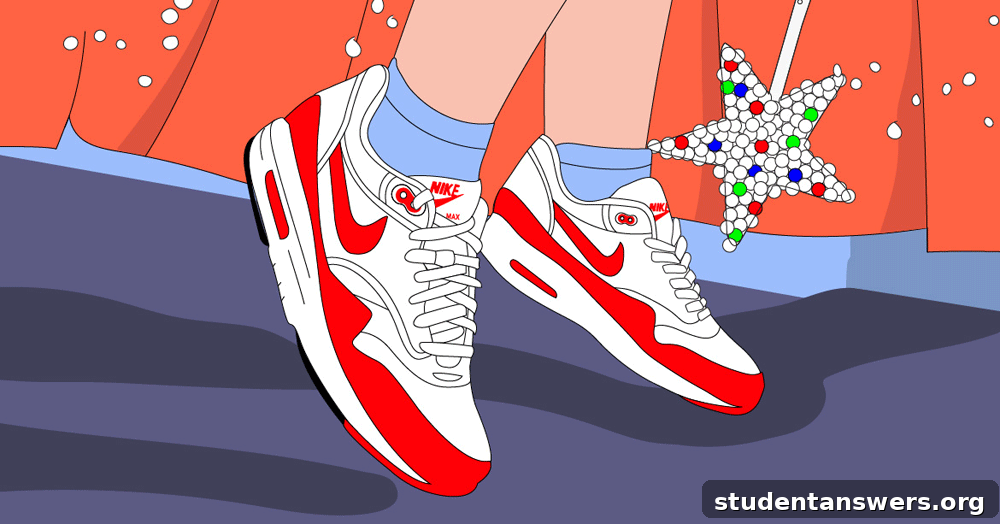
“There’s no place like home.” With three clicks of her heels, Dorothy Gale and her glittering ruby slippers transported audiences to a world of wonder in The Wizard of Oz. These shoes are pure magic, a vibrant splash of color in a fantastical land. To replace them, we must turn to the shoe that started it all: the Nike Air Max 1 OG. In its original, unmissable red and white colorway, of course.
The Air Max 1 was the genesis, the first to feature the Visible Air bubble that would launch a dynasty. Its classic styling, clean lines, and bold use of color make it a timeless icon. Swapping the sequins for this legendary silhouette feels fitting. Just as the ruby slippers gave Dorothy the power to find her way home, the Air Max 1 gave Nike a new path forward, revolutionizing the entire sneaker industry. It’s a shoe that represents a journey, a new beginning, and the courage to take a bold step. Clicking these heels together three times would feel just as powerful.
Carrie Bradshaw’s Proposal Perfected: The Nike Air Max 2015
For fashion lovers, the moment Mr. Big proposes to Carrie Bradshaw in the Sex and The City movie is unforgettable. But it wasn’t a diamond ring he presented; it was something far more “Carrie”—a stunning pair of royal blue Manolo Blahnik heels. It was a proposal that spoke directly to her soul. But what if Carrie’s modern, practical side took over? Move over, Manolos; imagine a proposal with Air Max.
We’ve substituted the iconic stilettos with the sleek and technical Nike Air Max 2015 in a vibrant electric blue. This model, with its full-length articulated Air unit and engineered mesh upper, represents the pinnacle of comfort and modern design. For a character who spent years navigating the streets of New York City, a shoe that blends high fashion with high function makes perfect sense. It’s a declaration of love that says, “I want to build a comfortable, supportive, and stylish life with you.” To that, we can only say, “I do!”
Vivian Ward’s Street Style Upgrade: The Nike Air Max2 CB 94
The 1990 classic Pretty Woman is a story of transformation, and no single item represents Vivian Ward’s starting point more than her killer over-the-knee vinyl boots. They are bold, unapologetic, and demand attention. To capture that same energy with a streetwear twist, we’re giving Julia Roberts’ character a pair of Air Max “boots”—the formidable Nike Air Max2 CB 94.
This high-top sneaker was the signature shoe of NBA legend Charles Barkley, a player known for his powerful and aggressive style. The shoe reflects his on-court persona with its bulky silhouette, straitjacket-inspired support straps, and a chunky Air Max unit in the heel. The black, white, and purple “road” colorway is pure ’90s nostalgia. Giving Vivian these sneakers maintains the rebellious, head-turning spirit of her original boots while grounding her look in the raw, authentic world of ’90s street culture. We have to wonder what Edward Lewis would make of this powerful sneaker statement.
Sandy’s Summer Night Sensation: The Nike Air Max 90
“You’re the one that I want!” The final scene of Grease is one of the most famous musical moments in movie history, marking Sandy’s transformation from sweet girl-next-door to a confident, leather-clad bombshell. The exclamation point on her new look is a pair of fiery red mules, which she uses to memorably push Danny Zuko over. To capture that same sassy, rebellious spirit, there’s only one choice: the Nike Air Max 90.
The Air Max 90 is an icon of street style, famous for its slightly more aggressive shape and the iconic “cassette” frame that highlights its Air unit. We’ve chosen a bold leopard print version with a hot pink inner lining—a combination that is just as daring and playful as Sandy’s new persona. It’s a shoe that says you’re not afraid to be seen and heard. This sneaker perfectly channels the energy of her transformation, blending a classic silhouette with a wild, untamable pattern. Tell me about it, stud!
Audrey Hepburn’s Bohemian Beat: The Nike Air Max 95
In the 1957 musical Funny Face, Audrey Hepburn delivered an incredibly energetic and expressive Bohemian dance sequence. Dressed in her timeless uniform of black pants, a black turtleneck, and simple black loafers with white socks, she created a moment of pure artistic freedom. This dance has been referenced countless times in pop culture for its raw energy. While her loafers were classic, the demanding, athletic nature of the dance calls for something with a bit more support.
Enter the Nike Air Max 95. This revolutionary design by Sergio Lozano was inspired by human anatomy—the layered side panels mimic muscle fibers, the nylon eyelets represent ribs, and the midsole acts as the spine. It was a shoe built for performance, designed to move with the human body. Swapping Hepburn’s loafers for the Air Max 95, while keeping the iconic white socks, honors the physicality of her performance. It’s a shoe designed for motion, making it the perfect partner for her unforgettable dance.
From Cinderella’s ballroom to Dorothy’s Yellow Brick Road, from Carrie Bradshaw’s closet to a dance club in Paris, this exercise proves the incredible versatility and cultural power of the Nike Air Max. It’s a shoe that transcends its origins as a running sneaker to become a canvas for personal expression, capable of fitting into any story, style, or situation. It’s a true icon, forever changing the game. So, which reimagined movie moment is your favorite?