
The Social Dilemma of Adulthood: How to Build and Maintain Friendships After 30
Have you ever paused and realized that your social life feels quieter than it used to? As we navigate the twists and turns of adulthood, it’s a common experience to find ourselves spending significantly less time with friends. This isn’t a personal failure; it’s a natural consequence of life’s progression. After college, we scatter for jobs, invest time in building families, and get absorbed by the demanding rhythm of a career. The spontaneous hangouts of our youth are replaced by scheduled catch-ups that often get postponed.
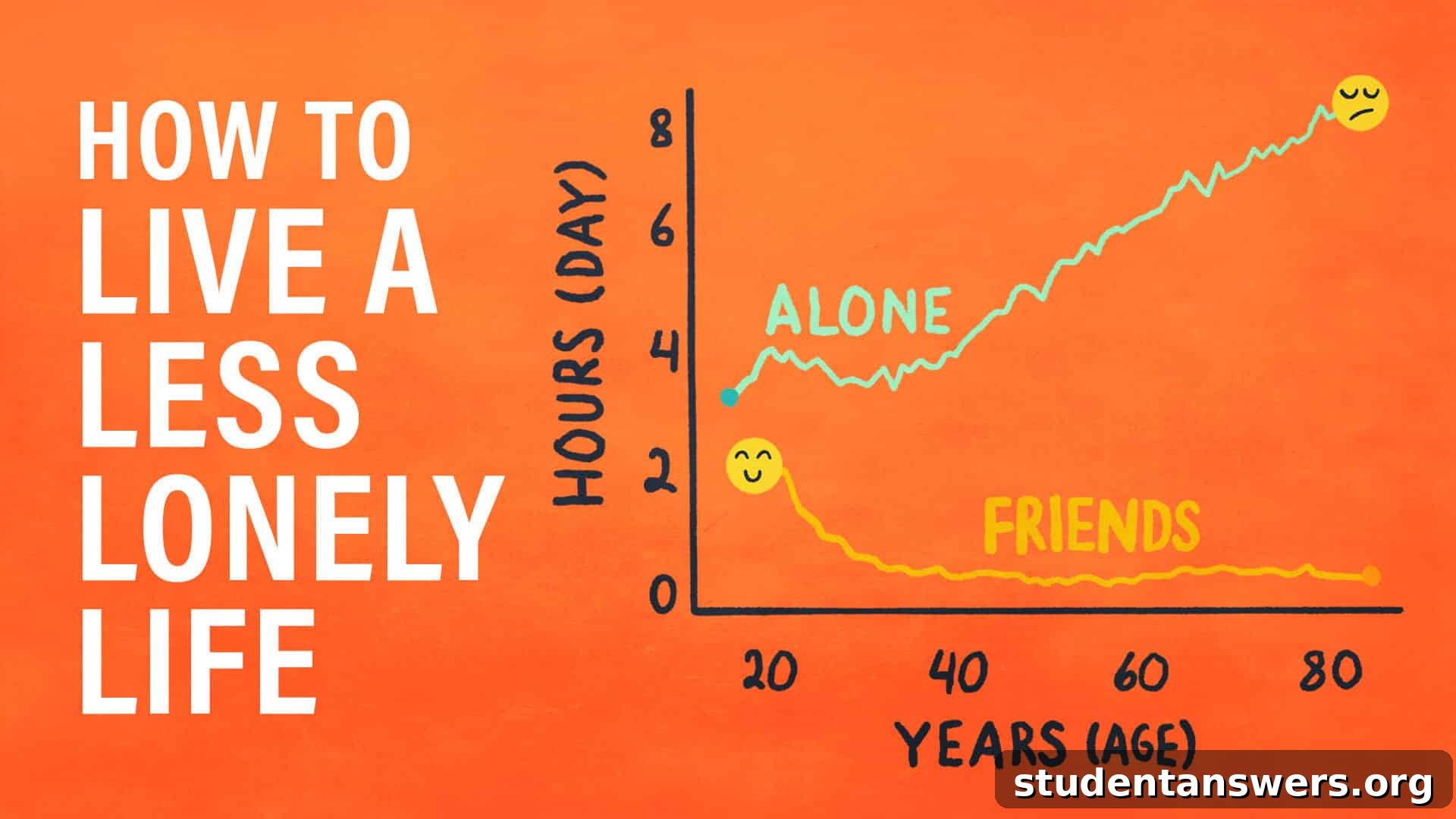
This phenomenon is so widespread that it has been visualized in various data studies, showing a steep decline in time spent with friends as we move from our early twenties into our thirties and beyond. One particular graphic starkly illustrates this trend, serving as a sobering reminder of what can become the default for many.
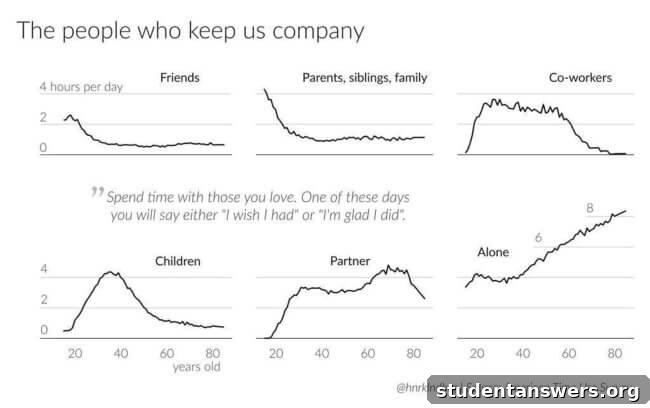
While this data might seem disheartening, it’s not a destiny we have to accept. Recognizing this default trajectory is the first step toward changing it. By being intentional and adopting a few key habits, you can defy the statistics and cultivate a vibrant, fulfilling social life at any age. This guide offers actionable strategies to help you become a social outlier and build the meaningful connections you crave.
Understanding the “Why”: The Great Social Drift of Adulthood
Before we dive into solutions, it’s crucial to understand why friendships tend to fade in adulthood. Unlike the structured environments of school and university where we are surrounded by peers, adult life is far more fragmented. The primary reasons for this “social drift” include:
- Geographical Distance: Friends move for careers, relationships, or a change of scenery. A five-minute walk across campus turns into a five-hour flight, making spontaneous meetups impossible.
- Shifting Priorities: Building a career, nurturing a romantic partnership, and raising children are incredibly time-consuming endeavors. These new responsibilities naturally take precedence, leaving less bandwidth for maintaining friendships.
- Energy Depletion: After a long week of work and managing household responsibilities, the idea of socializing can feel more exhausting than energizing. It’s often easier to default to a quiet night in than to coordinate plans.
- The End of Proximity-Based Friendships: Many of our early friendships were forged through convenience and proximity. As adults, friendships require active, intentional effort to survive. You have to consciously choose to make time for people.
Acknowledging these hurdles isn’t about making excuses; it’s about framing the problem realistically. Building and maintaining friendships as an adult is a skill, and like any skill, it requires practice, strategy, and dedication.
Step 1: Shift Your Mindset from Passive to Proactive
The single most important change you can make is to shift from being a passive participant in your social life to being an active architect. In your younger years, social opportunities often just happened. Now, you need to be the one to make them happen. This means taking initiative.
Stop waiting for the phone to ring. Be the person who sends the text, organizes the dinner, or suggests the weekend trip. It might feel vulnerable at first, as it opens you up to potential rejection, but this proactive stance is the engine of a healthy adult social life. A simple text like, “Hey, I was thinking about you. Are you free to grab a coffee next week?” can be enough to rekindle a connection.
Step 2: Diversify Your Avenues for Meeting New People
If your existing social circle has shrunk, it’s time to create opportunities to meet new people. The key is to find environments centered around shared interests, as these provide a natural foundation for connection. Forget awkward networking events; focus on activities you genuinely enjoy.
Embrace Your Hobbies
What do you love to do? Or what have you always wanted to learn? Use your passions as a gateway to new friendships. Consider joining:
- A local sports league (kickball, bowling, tennis)
- A book club at your local library or bookstore
- A class to learn a new skill, like pottery, coding, or a musical instrument
- A hiking or running group
- A board game or trivia night at a local pub
When you meet people in these contexts, you already have a built-in conversation starter and a guaranteed shared interest. This immediately lowers the barrier to forming a genuine connection.
The Power of Volunteering
Volunteering is one of the most underrated methods for building deep, meaningful connections. When you volunteer, you surround yourself with people who share your values. Working together on a meaningful project—whether at an animal shelter, a community garden, or a local charity—fosters a powerful sense of camaraderie. It bypasses superficial small talk and connects you with others on a more profound level.
Explore Local Meetups and Community Events
Platforms like Meetup.com were designed specifically for this purpose. You can find groups for virtually any interest imaginable, from software development to urban sketching to French-language practice. Attending these events puts you in a room full of people who are also actively seeking connection, which makes the whole process feel less intimidating.
Step 3: Nurture New Connections from Acquaintance to Friend
Meeting someone is only the beginning. The real work lies in turning that initial spark into a sustainable friendship. This requires follow-through and a willingness to move beyond surface-level interactions.
Master the Art of the Follow-Up
After you have a pleasant conversation with someone new, don’t let the momentum die. The follow-up is critical. If you connected with someone at a book club, send them a message a few days later: “It was great chatting with you about that book! If you’re interested, there’s a talk by another author I like next month. Want to go?” This simple act of initiative transforms a one-time interaction into a potential friendship.
Move Beyond Small Talk
While small talk is a necessary social lubricant, a friendship cannot be built on conversations about the weather. Learn to ask better, more open-ended questions. Instead of “How was your weekend?” try “What was the most interesting part of your weekend?” Share your own experiences and vulnerabilities thoughtfully. True connection is built on a foundation of mutual understanding and authenticity.
Create a System for Staying in Touch
It may sound clinical, but with a busy adult life, a system can ensure you don’t let important relationships fall through the cracks. This doesn’t have to be complicated. You could use a simple digital tool like Trello or even a recurring calendar reminder to prompt you to reach out to different friends on a rotating basis. A simple “thinking of you” text can make a world of difference to someone you haven’t spoken to in a while.
Step 4: Reinvest in Your Existing Friendships
While seeking new connections is important, don’t neglect the friends you already have. Often, fading friendships aren’t lost, just dormant. A little effort can go a long way in reviving them.
Schedule regular check-ins, even if they’re just 15-minute video calls. Create a group chat for sharing daily wins or funny memes. When you’re in your hometown, make a concerted effort to see old friends, even if it’s just for a quick coffee. Show them they are still a priority in your life. Remember that long-term friendships are built on a shared history, and that’s an invaluable asset worth preserving.
Conclusion: Building Your Social Future
The trend of increasing isolation in adulthood is real, but it is not irreversible. By adopting a proactive mindset, strategically placing yourself in new social environments, and intentionally nurturing both new and old connections, you can build a rich and supportive social fabric. It requires effort, vulnerability, and consistency—qualities that are challenging to muster in a busy life. However, the reward is immeasurable: a life filled with laughter, support, shared experiences, and the profound joy that comes from genuine human connection. Don’t let the default become your reality. Start building your social future today.