

Your Photography Journey Begins Here
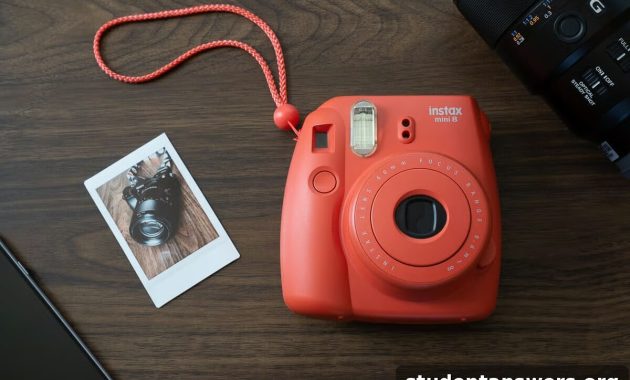
Diving into the world of photography is an exciting journey. Whether you want to preserve precious memories, launch a new creative hobby, or even start a professional career, photography offers a rewarding path. For many, it’s a way to reconnect with the world, noticing the small details and beauty that often go unseen. It’s a practice in patience, perspective, and artistry.
However, getting started can feel daunting for two main reasons. First, the sheer volume of information and gear options can be overwhelming. Second, photography can quickly become an expensive pursuit. The good news is that these hurdles are entirely manageable. You don’t need the most expensive equipment to take stunning photos. This comprehensive beginner photography guide will demystify the process, helping you choose the right camera, learn foundational techniques, and discover what to do with your incredible images.
Choosing Your First Camera: A Beginner’s Guide
The most common question new photographers ask is, “What camera should I buy?” While there’s no single perfect answer for everyone, we can break it down by considering your goals, budget, and desired level of creative control.
If you’re looking for a quick, high-quality recommendation with a reasonable budget, the Sony a6000 series is a fantastic starting point. It’s a mirrorless camera that packs professional features into a compact body, offering excellent image quality and room to grow. Even older models in this line offer incredible value for beginners.
To make a more informed decision, ask yourself the following questions:
Do You Want to Create Art or Capture Moments?
Your primary motivation will heavily influence your choice. If your goal is simply to document your life, travels, and family events, simplicity is key. Your smartphone is already a powerful tool capable of taking fantastic pictures. For a slight step up with a dedicated zoom, a point-and-shoot camera like the Canon PowerShot or Sony Cyber-shot series is an excellent, user-friendly option. There’s no need to invest in a complex system if you just want to take great snapshots.
However, if you crave more creative control and want to learn the art of photography, a camera with interchangeable lenses is the way to go. This leads you to the two main categories: DSLR and Mirrorless cameras.
- DSLR (Digital Single-Lens Reflex): These cameras use a mirror mechanism to reflect light into an optical viewfinder. They are known for their robust build, long battery life, and extensive selection of lenses.
- Mirrorless: This is the newer technology. By removing the mirror, these cameras can be smaller and lighter. They use an electronic viewfinder (EVF) or the back screen, which shows you a digital preview of your final image, including how your settings adjustments will affect the brightness. This “what you see is what you get” feature is incredibly helpful for learning.
For a beginner today, a mirrorless camera is often the recommended choice due to its modern features and compact size. However, both systems can produce equally professional results. A crucial feature to look for, regardless of type, is a viewfinder. Composing a shot through a viewfinder is more immersive, helps stabilize the camera against your face, and eliminates the screen glare you’d face on a sunny day.
What Is Your Budget?
Photography can be a rabbit hole of expensive gear. It’s vital to set a realistic budget. Remember, expensive equipment does not automatically create good photos. A skilled photographer can create a masterpiece with an entry-level camera, while a novice can take poor photos with a $10,000 setup. The camera is a tool; you are the artist.
When starting, it’s wise to allocate your budget not just for the camera body but also for a good lens and essential accessories. You don’t need the latest model. A camera that’s a few years old can offer phenomenal value and all the features you need to learn and grow.
Do You Have Access to Existing Lenses?
Camera brands like Canon, Nikon, and Sony have proprietary lens mounts. This means a Canon lens won’t fit on a Sony camera without a special adapter, which can sometimes limit features like autofocus. Lenses are a long-term investment and often more important than the camera body itself. If a family member or friend has a collection of high-quality lenses they are willing to lend or give you, it makes financial sense to buy a camera body from the same brand. The lens is what truly shapes the light and character of your image.

Can You Try Before You Buy?
Before committing to a significant purchase, consider renting camera equipment. Services like Lensrentals.com or local camera shops allow you to try different camera bodies and lenses for a fraction of the purchase price. This is an invaluable way to see how a camera feels in your hands and whether its features suit your style. Borrow a friend’s camera for a weekend. The hands-on experience will give you more clarity than any online review. Don’t let the gear decision paralyze you. The most important step is to start shooting.
How to Improve Your Photography Skills: 10 Essential Tips
The legendary photographer Henri Cartier-Bresson famously said, “Your first 10,000 photographs are your worst.” The key to becoming a good photographer is consistent, intentional practice. However, you can accelerate your learning by focusing on some fundamental principles.
- Simplify Your Composition: Look at what’s in your frame. If an object, like a distracting trash can or a bright sign, doesn’t add to the story you’re trying to tell, remove it. You can do this by changing your angle, getting closer to your subject, or waiting for the scene to change. A clean, simple composition is powerful.
- Use Light to Your Advantage: Our eyes are naturally drawn to the brightest part of an image. Use this to your advantage. Position your subject in the best light and ensure the brightest spot in the frame is where you want your viewer to look first.
- Focus on the Eyes: When photographing people or animals, always make sure the eyes are sharp and in focus. The eyes convey emotion and life, creating a powerful connection with the viewer. Even if the rest of the subject is slightly soft, sharp eyes will make the portrait feel alive.
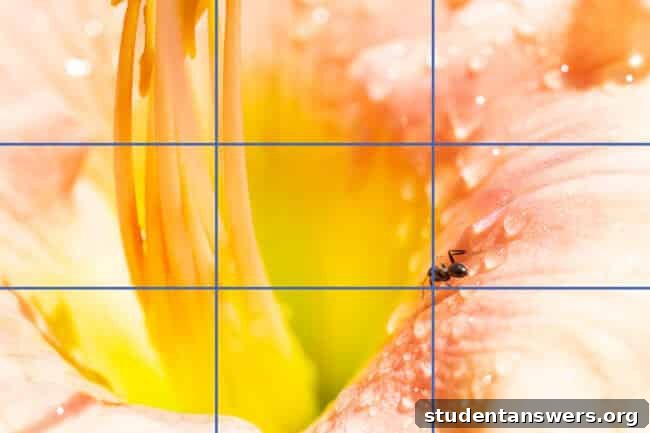
- Learn the Rule of Thirds: Imagine your frame is divided into a tic-tac-toe grid. The rule of thirds suggests placing key elements of your scene along these lines or at their intersections. This creates a more balanced and visually interesting composition than simply centering the subject every time.
- Explore Different Perspectives: Don’t just shoot from eye level. Get down low for a dramatic, powerful angle, or find a higher vantage point to get a bird’s-eye view. Changing your perspective can transform a mundane scene into a captivating photograph.
- Master Aperture Priority Mode: Before jumping into full manual mode, get comfortable with Aperture Priority (often marked as ‘A’ or ‘Av’ on your camera’s dial). This mode lets you control the aperture (which determines how much of your scene is in focus), while the camera automatically sets a correct shutter speed. It’s the perfect way to learn how to create that beautiful blurry background (bokeh) in portraits.
- Understand the Exposure Triangle: This is the technical foundation of photography. The exposure (or brightness) of your photo is controlled by three settings:
- Aperture: The opening in your lens. A wider aperture (smaller f-number, like f/1.8) lets in more light and creates a shallow depth of field (blurry background). A narrow aperture (larger f-number, like f/11) lets in less light and keeps more of the scene in focus.
- Shutter Speed: How long the camera’s sensor is exposed to light. A fast shutter speed (like 1/1000s) freezes motion, while a slow shutter speed (like 1s) creates motion blur, which is great for waterfalls or light trails.
- ISO: The digital sensitivity of your camera’s sensor to light. A low ISO (like 100) is used in bright light and produces a clean image. A high ISO (like 3200) is used in low light but can introduce digital noise or “grain” into the photo.
Mastering how these three elements work together will give you complete creative control over your images.
- Look for Leading Lines: Use natural lines in your environment—like roads, fences, rivers, or pathways—to guide the viewer’s eye through the image and toward your subject. This is a powerful compositional tool that adds depth and direction to your photos.
- Cull Photos on a Computer: Don’t delete photos from the small screen on the back of your camera. You can’t properly judge focus and detail. Wait until you’ve imported them to your computer to review them on a larger screen. This prevents you from accidentally deleting a great shot.
- Break the Rules: Once you understand the rules of composition and exposure, don’t be afraid to break them intentionally. Centering a subject can be powerful for a symmetrical scene. A blown-out highlight can add to an ethereal mood. Art is subjective, and rules are merely guidelines.
The best way to ensure you practice is to give yourself a project. A 30-day photo challenge or a commitment to posting one photo a day can be a powerful motivator. The more you shoot, the faster you’ll develop your eye and master your camera.
Essential Photography Equipment and Software for Beginners
While the camera is the most important tool, a few key accessories and software can significantly enhance your photography experience and capabilities.
Software for Editing and Organization
Shooting the photo is only half the process. Post-processing is where you can refine your vision. Adobe Lightroom Classic is the industry standard for a reason. It’s a powerful tool for organizing thousands of photos, and its intuitive development module allows for non-destructive editing of color, exposure, and sharpness. If you shoot in RAW format (which captures more data than a JPEG), a program like Lightroom is essential. For a one-time purchase alternative, Affinity Photo is an excellent and affordable option.
Helpful Photography Gear
- A Sturdy Tripod: A tripod is essential for any photography involving slow shutter speeds. It eliminates camera shake, allowing you to capture crisp long-exposure shots of landscapes, waterfalls, cityscapes at night, and astrophotography. Don’t buy the cheapest option; you want to trust it to hold your valuable camera securely.
- Extra Batteries: There is nothing worse than being in a beautiful location with a perfect photo opportunity, only for your camera battery to die. Always carry at least one fully charged spare.
- A Comfortable Camera Bag: As you acquire more gear, you’ll need a way to carry it safely. A dedicated camera bag offers padded compartments to protect your camera and lenses from bumps and the elements.
- Rocket Air Blaster: Dust is the enemy of camera sensors and lenses. A rocket air blaster allows you to safely blow dust off your equipment without touching it, preventing smudges and potential scratches. It’s a cheap tool that can save you from hours of editing out dust spots.
- Camera Strap: Most cameras come with a neck strap. Use it. It’s your first line of defense against accidental drops that could destroy your camera or lens.
Beyond the Screen: What Can You Do with Your Photos?
Photography is a versatile skill that can be a hobby, an art form, or a profession. Once you start capturing images you’re proud of, there are many ways to share them.
- Create a Portfolio: Build a personal website or use a service like Adobe Portfolio or Flickr to showcase your best work. This is a great way to track your progress and share your vision with others.
- Make Money: If you’re interested in turning your hobby into a side hustle, areas like portrait photography (headshots, family photos, senior portraits) and event photography (weddings, parties) are always in demand.
- Decorate Your Space: Print your favorite photos! Seeing your work on a wall is incredibly rewarding. You can create large canvas prints or use a small instant printer like the Fujifilm Instax series to print small, retro-style photos to hang up or give to friends.

Your Photographic Journey Starts Now
The most important advice is to stop waiting and start shooting. Use the camera you already have, whether it’s your phone or an old camera collecting dust in a closet. Look around you. There are compelling subjects everywhere: nature, architecture, people, food, and the simple patterns of daily life. Anything that catches your eye is worth photographing.
Photography has a unique power to change how you see the world. It encourages you to slow down, to be present, and to find beauty in the ordinary. If it brings you even a fraction of the joy and fulfillment it has brought so many others, it is an endeavor well worth your time. Go take your first new photos today.