
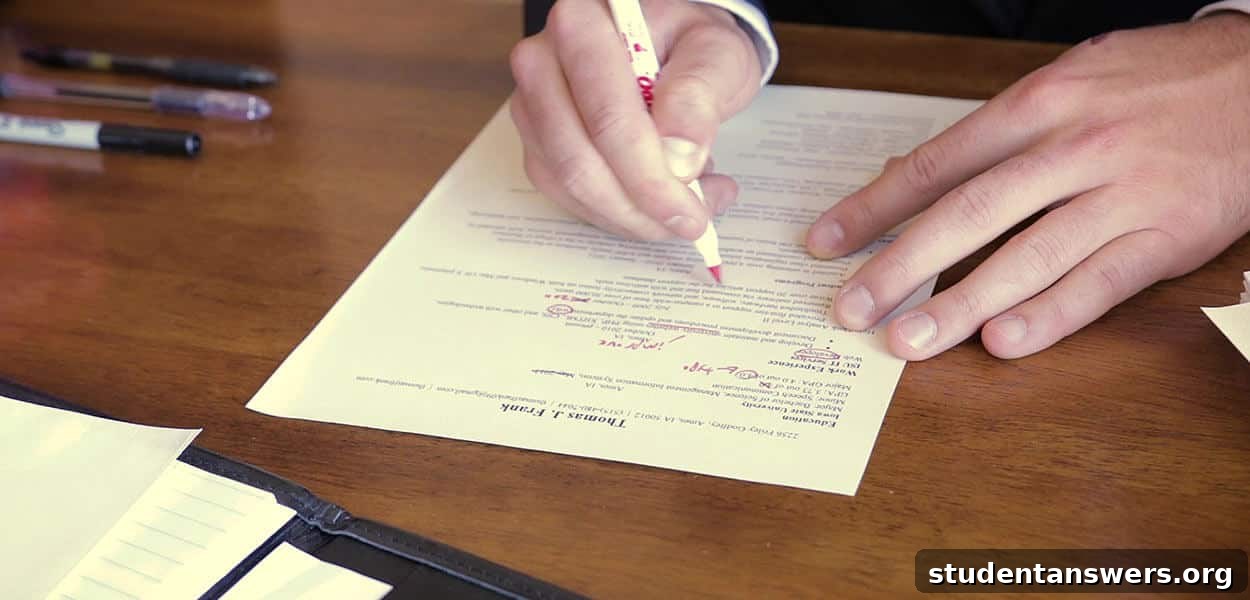
Six seconds. That’s the average time a recruiter spends looking at your resume before making a decision. According to a widely cited study, this tiny window is all you get to make a lasting impression. It’s a harsh reality, especially after you’ve poured hours into perfecting every detail, from the font choice to the precise wording of your job descriptions.
The truth is even more daunting. Before your resume ever reaches human eyes, it often has to pass through an automated gatekeeper known as an Applicant Tracking System (ATS). These systems scan for specific keywords and formatting, filtering out the majority of applications before a hiring manager sees them. For a company like Google, which receives over three million resumes annually, this automated process is a necessity.
This intense competition might sound discouraging, but it also presents an opportunity. A significant number of resumes are discarded due to common, avoidable mistakes. By understanding and correcting these errors, you can dramatically increase your chances of landing an interview. Your resume can rise to the top of the pile, not by luck, but by strategic design.
This guide will walk you through the seven most critical resume mistakes that could be costing you job opportunities. More importantly, we’ll provide clear, actionable advice on how to fix them, transforming your resume from a simple document into a powerful career tool.
1. Focusing on Duties Instead of Achievements
One of the most common pitfalls is creating a resume that reads like a job description. Many candidates simply list their daily tasks and responsibilities under each role. While this tells a recruiter what you were *supposed* to do, it says nothing about what you actually *achieved*. Employers don’t hire people to fill a role; they hire people to solve problems and deliver results.
How to Fix It: Quantify Your Impact
The key to transforming your resume is to shift from a passive list of duties to an active showcase of accomplishments. The most effective way to do this is by using numbers to demonstrate your value. Metrics provide concrete evidence of your contributions and help recruiters visualize the impact you could have on their company.
Think about your past roles and ask yourself:
- How much money did I save the company?
- By what percentage did I increase sales or efficiency?
- How many people did I manage or train?
- How many customers did I serve on a daily or weekly basis?
- Did I reduce the time it took to complete a process? By how much?
Before: “Managed the company’s social media accounts.”
After: “Grew organic Instagram engagement by 45% over six months by developing and executing a new content calendar and hashtag strategy.”
This “after” statement is powerful because it uses an action verb (“Grew”), provides a specific metric (45%), gives a timeframe (six months), and explains *how* the result was achieved. It tells a compelling story of success.
2. Overlooking Simple Typos and Grammatical Errors
It may seem minor, but a single typo can be the reason your resume ends up in the rejection pile. To a hiring manager, spelling and grammar mistakes signal a lack of attention to detail, carelessness, and a general lack of professionalism. In a competitive job market, they are looking for any reason to narrow down the applicant pool, and typos are an easy one.
How to Fix It: Proofread Meticulously
Your standard spell-check is a good first step, but it’s not enough. It won’t catch correctly spelled but misused words (like “their” vs. “there”). You need a more robust proofreading process.
- Print It Out: Your eyes interact with paper differently than they do with a screen. Printing a physical copy of your resume can help you spot errors you previously missed.
- Read It Aloud: Reading your resume out loud forces you to slow down and process each word individually. This technique is excellent for catching awkward phrasing and grammatical mistakes.
- Get a Second Opinion: After you’ve spent hours working on a document, you can become blind to its flaws. Ask a trusted friend, family member, or career advisor to review it for you. A fresh pair of eyes is your best defense against errors.
- Use a Grammar Tool: Services like Grammarly or Hemingway Editor can help identify complex grammatical issues, but use them as a guide, not a final authority.
3. Including Irrelevant Work Experience
Your resume should not be a comprehensive history of every job you’ve ever had. Its purpose is to be a targeted marketing document that proves you are the best candidate for a *specific* role. Including a summer job as a lifeguard from ten years ago is likely wasting valuable space if you’re now applying for a senior marketing position.
How to Fix It: Tailor and Highlight Transferable Skills
Every single entry on your resume should serve a purpose. Before adding a position, ask yourself: “How does this experience demonstrate my qualifications for the job I want?” If the connection isn’t immediately obvious, you need to make it clear.
Focus on transferable skills. Even if a past job seems unrelated, you likely developed abilities that are relevant. For example, a role as a retail associate can demonstrate customer service, communication, problem-solving, and cash management skills. When applying for an administrative assistant role, you would highlight the problem-solving and communication aspects rather than your ability to fold sweaters perfectly.
4. Undervaluing Unpaid and Extracurricular Experience
A huge mistake, especially for students and recent graduates, is thinking that only paid work “counts” as experience. This leads them to leave out valuable volunteer roles, leadership positions in student clubs, or significant personal projects. Recruiters and hiring managers see things differently. They care about the skills you’ve developed, not whether you earned a paycheck for them.
How to Fix It: Integrate All Relevant Experience
If your most significant project management experience came from organizing a university charity event, that belongs in your main “Experience” section, not hidden away in a small “Activities” section at the bottom. Treat it just like a paid job. Give it a title, the organization’s name, and dates. Then, use bullet points to describe your quantifiable accomplishments.
As former recruiting director Brad Karsh notes, “If it was a meaningful experience that provided meaningful skills necessary for the job, then it’s worth putting in the experience section.” Whether it was a paid internship or a volunteer role, the skills are what matter.
5. Creating a Generic, Cookie-Cutter Resume
Many career centers and online templates offer rigid “rules” for resume writing: use Times New Roman, size 12 font, follow this exact format. While these guidelines are meant to be helpful, following them too closely can result in a resume that is indistinguishable from hundreds of others. When a recruiter is looking at a stack of nearly identical documents, it’s easy for them to blur together. Ordinary is forgettable.
How to Fix It: Be Professional, But Memorable
This doesn’t mean you should use a crazy font or add distracting graphics. The goal is to stand out for the right reasons. Your resume should be clean, professional, and easy to read, but it can also have a touch of personality. Consider using a clean, modern font other than the default options. A subtle use of color in headings can make your resume visually appealing. A well-designed layout that guides the reader’s eye to the most important information shows a level of thoughtfulness and design sense.
6. Missing the Opportunity of a Personal Website or Portfolio
A resume is a static, one-dimensional snapshot of your professional life. Once you submit it, you can’t update it. It has limited space and can’t truly showcase your work, your personality, or your passion. This is where a personal website comes in.
How to Fix It: Build and Link to Your Digital Hub
Creating a simple personal website is easier than ever and is an incredibly powerful career tool. It serves as a central hub for your professional brand. You can include an expanded bio, a portfolio with examples of your work (articles, designs, code, case studies), testimonials, and a blog to demonstrate your expertise. Including a link to your personal website or online portfolio in your resume’s contact section is a must. It shows you are tech-savvy, proactive, and gives an interested recruiter a way to learn more about you beyond the constraints of a single page.
7. Sending a One-Size-Fits-All Application
Blasting the same generic resume to dozens of different job postings is one of the fastest ways to get rejected. Employers can spot a generic application from a mile away. It shows a lack of genuine interest in their specific company and role. To truly capture their attention, your resume must scream, “I am the perfect person for *this* job.”
How to Fix It: Use a Master Resume and Customize
Customizing every single application from scratch is time-consuming. The solution is to create a “master resume.” This document should be several pages long and contain every job, skill, project, and accomplishment you can think of, all written out in detail. This document is for your eyes only.
Then, for each job you apply for, create a new, tailored one-page resume by copying and pasting the most relevant information from your master document. Carefully analyze the job description, identify the key skills and qualifications the employer is looking for, and make sure your tailored resume highlights those exact things. This targeted approach is far more effective than a generic blast and shows the employer that you’ve done your homework.
One Final Thing: Showcase Your Potential
Remember, employers, especially when hiring for entry-level or student roles, know you won’t be a world-class expert on day one. They aren’t just hiring for the skills you have now; they are investing in the professional you will become. They are looking for potential.
More than just technical skills, hiring managers are searching for soft skills like teachability, a strong work ethic, intellectual curiosity, and a positive attitude. They know that a candidate who is eager to learn and grow will ultimately provide more long-term value than a more skilled candidate who is arrogant or stagnant. Your resume, cover letter, and interviews should all work together to tell a story of a humble hustler—someone who is driven, resilient, and committed to constant improvement. Show them not just what you’ve done, but what you are capable of achieving.