

Have you ever found yourself in the middle of one task, only to have your mind pulled in five different directions? Just the other day, I was trying to follow a new recipe. While chopping vegetables, I was also listening to a podcast, mentally rehearsing a presentation for the next day, and trying to remember if I’d replied to an urgent email. The result? Unevenly chopped carrots, a completely missed podcast segment, and a lingering sense of anxiety. I wasn’t being efficient; I was just creating chaos.
This is the classic trap of multitasking. We believe we’re getting more done by tackling everything at once, but the reality is often the opposite. The truth is, multitasking as we imagine it is largely a myth. In this guide, we’ll dismantle that myth, explore the cognitive science behind why single-tasking is superior, and provide actionable strategies to reclaim your focus. We’ll also identify the rare occasions when doing two things at once can actually be beneficial.
What Is Multitasking? The Hidden Cost to Your Productivity
To understand why multitasking often fails, we first need a clear definition. The American Psychological Association (APA) defines it as the act of performing two or more tasks simultaneously, rapidly switching between them, or performing them in quick succession.
“Multitasking can take place when someone tries to perform two tasks simultaneously, switch from one task to another, or perform two or more tasks in rapid succession.”
While this sounds like a superpower of productivity, research consistently shows that for most people, multitasking simply doesn’t work for complex tasks. But why is it so ineffective?
The primary reason is that multitasking destroys your momentum.
Think of your focus as a massive, heavy flywheel. It takes a significant amount of energy and effort to get it spinning.

Once it’s rotating at full speed, however, maintaining that momentum requires far less effort. You’re in a state of flow, making progress smoothly and efficiently.
Multitasking is like trying to spin that flywheel for a few rotations, then abruptly stopping it to push a different one, only to come back and have to exert all that initial effort to get the first one moving again. This constant starting and stopping is incredibly inefficient.
Worse yet, this process incurs “switching costs.” Every time you shift your attention, your brain has to disengage from one task and re-engage with another. This mental gear-shifting isn’t seamless. It leaves behind what scientists call “attention residue.”
Have you ever switched from writing an essay to checking your email, but found yourself still thinking about that difficult paragraph while reading your inbox? That’s attention residue. Your cognitive resources are still partially stuck on the previous task, meaning you can’t give your full attention to the new one. This residue not only slows you down but also increases the likelihood of errors. You end up expending more mental energy to achieve less, leaving you feeling drained and unproductive.
How to Reclaim Your Focus: 3 Powerful Strategies to Stop Multitasking

The good news is that you can escape the multitasking trap. By adopting a more deliberate and focused approach, you can minimize multitasking and significantly boost your output. Here are three strategies to help you get more done by doing one thing at a time.
1. Embrace Sequential Tasking
A landmark 1999 study in Nature magazine found that our brains are optimized for serial processing (doing things one after another), not parallel processing (doing things at the same time). The most effective way to work is to create a sequential flow for your day.
Think of it like following a recipe. You don’t try to chop the vegetables, preheat the oven, and mix the sauce all at the same instant. You complete each step in order. Only when the vegetables are chopped do you move on to the next step. This methodical approach ensures nothing is missed and the final dish comes out perfectly.
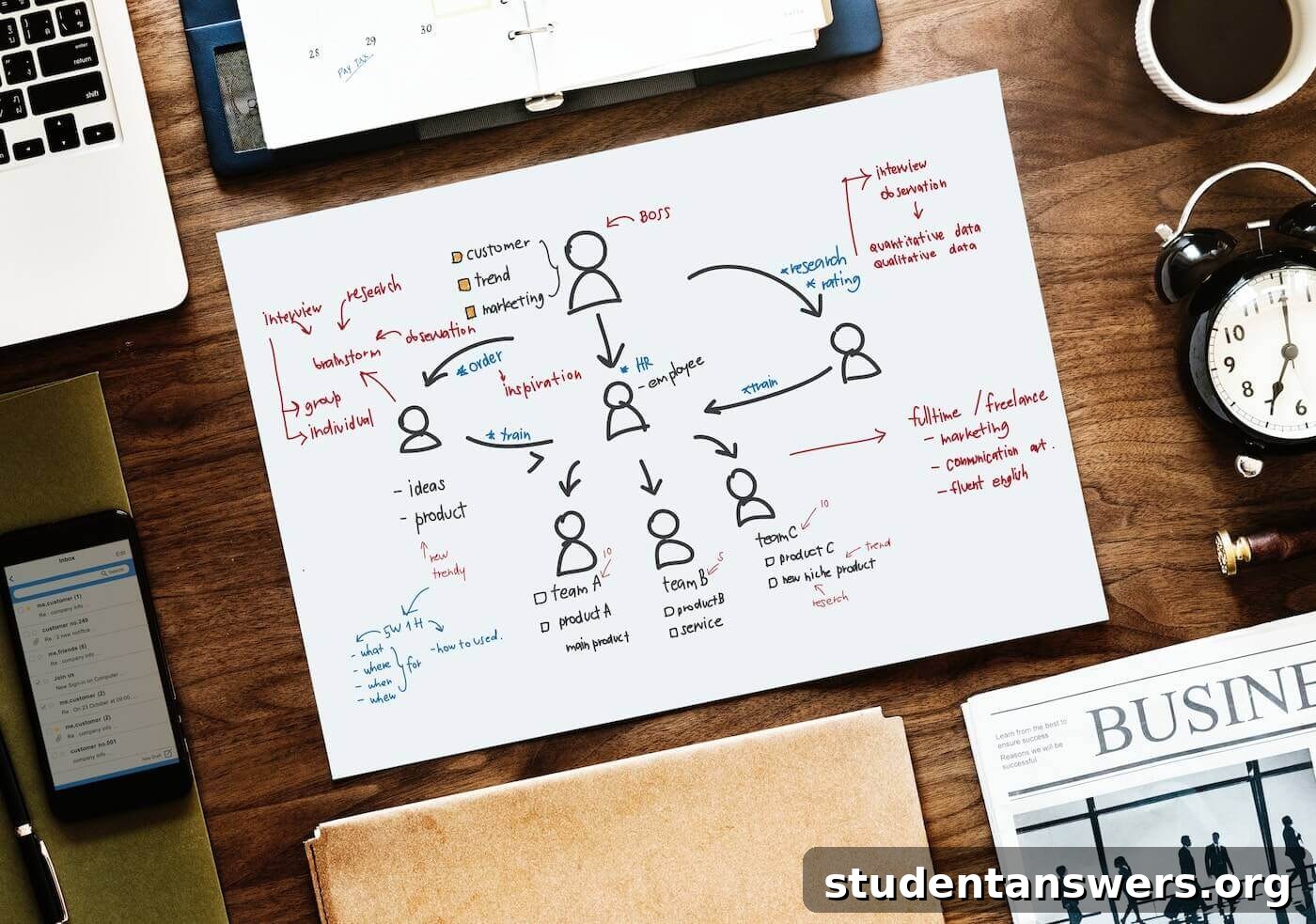
Apply this to your daily to-do list. Instead of jumping between tasks, commit to finishing one completely before starting the next. This “task closure” is incredibly powerful. It eliminates attention residue, as there’s no unfinished business lingering in your mind. It also provides a satisfying sense of accomplishment with each completed item, which builds momentum and motivation for the next task on your list. You’ll find you can move through your day with greater speed and less stress.
2. Build Buffers into Your Schedule
One of the main reasons we resort to multitasking is feeling rushed. We fall behind on one task and try to catch up by starting the next one simultaneously. This is often caused by the “planning fallacy,” a cognitive bias that makes us notoriously bad at estimating how long tasks will take. We create packed, back-to-back schedules that leave no room for error or unexpected delays.
The solution is to build “wiggle room” or buffer time into your day. This prevents a single overrun task from derailing your entire schedule. Here’s how to do it:
- Schedule Breaks Between Tasks: Add at least a 15-minute buffer between focused work blocks or meetings. Use this time to stretch, grab a drink of water, or simply let your mind reset before diving into the next activity. This is a core principle of methods like the Pomodoro Technique.
- Limit Your Major Goals: Instead of trying to accomplish ten things in a day, limit yourself to one or two “major” tasks—one for the morning and one for the afternoon. This makes your to-do list less intimidating and provides ample time to complete high-priority work without feeling pressured.
- Avoid Back-to-Back Appointments: Even if a meeting is scheduled for 30 minutes, block out 45 minutes in your calendar. This buffer accounts for conversations that run long, technical difficulties, or simply the time needed to transition mentally to your next commitment.
3. Capture Distractions, Don’t Chase Them
You’re in the zone, making great progress on an important report. Suddenly, you remember an urgent email you need to send. The temptation is to stop what you’re doing and switch tasks immediately. Don’t do it.
Instead of letting urgent but non-critical thoughts derail your focus, capture them. Keep a notepad or a digital document open and simply write down the task. For example, jot down “Email Prof. Smith about deadline.” This simple act offloads the thought from your working memory, assuring your brain that it won’t be forgotten. Once you’ve captured it, you can release it from your mind and return your full attention to the task at hand. When you finish your current work block, you can then review your capture list and decide how to schedule that new task. This method allows you to stay on course while ensuring nothing falls through the cracks.
Is Multitasking Ever a Good Idea? 3 Scenarios Where It Works
After making a strong case against multitasking, it’s important to acknowledge that it’s not universally bad. The key is to be strategic. Here are three specific situations where combining activities can be a smart and effective use of your time.
1. When You Batch Similar, Low-Effort Tasks
If you have a list of small, mindless tasks, scheduling them individually can feel inefficient. A better approach is to batch them together into a single, dedicated time block. This isn’t true multitasking, as you’re still doing them sequentially, but it leverages a similar mental mode to create efficiency. For example, instead of answering emails as they arrive, set aside a 30-minute block twice a day to clear your inbox. You could create a “life admin” hour to pay bills, make appointments, and reply to text messages all at once.
2. When One Task is Genuinely Automatic
You can effectively multitask when one of the activities requires virtually no conscious thought. These are deeply ingrained habits that you can perform on autopilot. For example, once you’ve been driving for years, the mechanics of operating the car become automatic. This frees up cognitive resources to listen to an audiobook or a podcast. The same applies to other automatic tasks:
- Folding laundry while talking on the phone with a friend.
- Washing dishes while listening to a lecture recording.
- Going for a routine walk or run while brainstorming ideas.
The crucial caveat here is to be honest with yourself. When I first started driving, I needed complete silence to concentrate. It was only after years of experience that it became an automatic task. If an activity still requires active focus, don’t try to pair it with something else.
3. When You Need to Spark Creativity and Solve Problems
In her book A Mind for Numbers, Barbara Oakley describes two modes of thinking: Focused and Diffuse.
Focused-mode is when you concentrate intently on a problem, using logical, step-by-step reasoning. This is great for working through calculations or writing a structured argument. But what happens when you get stuck?
This is where Diffuse-mode comes in. This relaxed, wandering state of mind allows different parts of your brain to connect in novel ways, often leading to “aha!” moments. You can intentionally trigger this mode by taking a productive break from a difficult problem and engaging in a simple, physical task. By going for a walk, taking a shower, or tidying your room, you allow your subconscious to keep working on the problem in the background. This is a strategic form of multitasking where you combine a low-effort physical task with high-level background mental processing.
Conclusion: A Smarter Approach to Productivity

Multitasking isn’t inherently good or evil; it’s a tool. It’s detrimental when you try to juggle two complex, focus-intensive tasks, but it can be beneficial when used strategically to batch mindless work or spark creativity. The key is knowing when to use it and when to embrace the power of single-tasking.
Going back to my chaotic kitchen experience, once I realized my mistake, I took a breath. I turned off the podcast, put my phone away, and wrote down a simple, sequential list: chop, mix, cook. By focusing on one step at a time, I finished the meal faster, with less stress, and the food actually tasted great.
By freeing my mind from the burden of juggling, I built momentum and completed everything efficiently. Try adopting a single-tasking approach for your next important project. You might be surprised by how much more you accomplish, and how much better you feel doing it.
Image Credits: Cart on Platform 9 3/4, Juggler, sequence of tasks, Messy Desk, Chef in kitchen