
The Ultimate Guide to Productivity: Is Music a Distraction and How to Master Your Focus
If you’ve ever questioned the foundations of productivity, you’ve likely stumbled upon the multitasking debate. A common question arises: if true multitasking is a myth, where does listening to music while studying fit in? Is your favorite study playlist secretly sabotaging your focus and turning your work sessions into an exercise in futility? The short answer is no, but the full story is far more nuanced and interesting.
In this comprehensive guide, we’ll dive deep into the science of music and concentration. But we won’t stop there. We’ll tackle some of the most pressing productivity challenges you face, from the seasonal slump of winter to the universal struggle of connecting with others. Consider this your all-in-one manual for reclaiming your time, sharpening your focus, and finally getting things done without the nagging feeling of guilt.
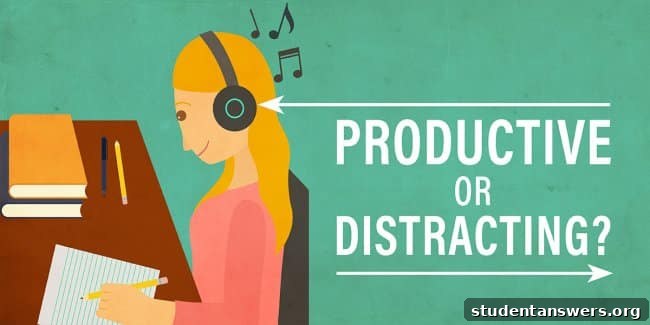
Is Listening to Music While Studying a Productivity Killer?
The concern that listening to music is a form of multitasking is valid. After all, multitasking is essentially rapid task-switching, which drains your cognitive resources and diminishes the quality of your work. Your brain can’t truly focus on two attention-demanding tasks simultaneously. However, the key lies in understanding the nature of the tasks involved.
When you’re studying or working on a complex problem, your brain’s language and reasoning centers are heavily engaged. If you listen to music with lyrics, you’re forcing those same centers to process the words in the song. This creates a cognitive bottleneck, where your brain is trying to read your textbook and interpret song lyrics at the same time. The result? Reduced comprehension and a much higher chance of distraction.
The solution isn’t silence, but the *right kind* of sound. Music can be an incredibly powerful tool for productivity when used correctly. Here’s how to make it work for you:
- Choose Instrumental Music: Opt for genres like classical, lo-fi hip-hop, ambient, or electronic music without vocals. This provides an auditory backdrop without competing for your brain’s language processing power.
- Leverage Familiarity: Listening to a playlist you know well can be less distracting than discovering new music, as your brain doesn’t have to work to predict what’s coming next.
- Block Out Distractions: One of the biggest benefits of music is its ability to mask distracting background noises like conversations, traffic, or a noisy roommate. A good pair of headphones and an ambient playlist can create a personal focus bubble.
- Use Task-Specific Sounds: Tools like Brain.fm are designed to generate music that promotes specific mental states, whether it’s deep focus, relaxation, or creativity. Similarly, websites like Rainy Mood provide ambient sounds that many find soothing and conducive to concentration.
In conclusion, listening to music is not inherently bad for productivity. It becomes a problem only when it competes for the same cognitive resources your primary task requires. By choosing lyric-free, familiar, or functionally designed audio, you can transform music from a potential distraction into your greatest focusing aid.
How to Stay Productive and Motivated During the Winter
As the days get shorter and the weather turns colder, many people experience a noticeable dip in energy and motivation. This “winter slump” is a real phenomenon, often linked to reduced exposure to sunlight, which can disrupt our circadian rhythms and mood. Staying productive during this time requires a proactive approach.
1. Maximize Light Exposure
Sunlight is a critical regulator of your body’s internal clock. Make an effort to get outside for at least 15-30 minutes each morning, even if it’s overcast. The natural light helps signal to your brain that it’s time to be alert and awake. If getting outside is difficult, consider investing in a light therapy lamp to simulate sunlight and combat the effects of Seasonal Affective Disorder (SAD).
2. Stick to a Consistent Routine
The dark mornings of winter can make it tempting to hit the snooze button repeatedly. However, maintaining a consistent sleep schedule—waking up and going to bed at the same time every day—is crucial for regulating your energy levels. A solid routine provides structure and reduces the mental effort required to decide what to do next.
3. Prioritize Physical Activity
Exercise is one of the most powerful mood and energy boosters available. As detailed in the book Sparkby John Ratey, physical activity has a profound impact on brain function, helping to improve focus, reduce stress, and fight feelings of lethargy. You don’t need to run a marathon; even a brisk walk, a home workout, or a dance session can make a significant difference.
How to Connect with People Who Don’t Share Your Interests
Building meaningful connections can feel challenging when you believe you have nothing in common with someone. However, successful relationships are often built not on shared hobbies, but on shared values, mutual respect, and genuine curiosity.
Instead of searching for a shared interest, shift your focus. Ask open-ended questions about what they’re passionate about and listen intently. Why do they love that specific hobby? What have they learned from it? People appreciate being heard, and showing genuine interest in their world is a powerful way to build rapport. You might find that while your hobbies differ, you both share underlying values like creativity, discipline, or a love for learning. Focus on these deeper connections. Shared experiences, like attending the same school or working on a project together, can also provide a strong foundation for a new friendship.
How to Get Better at Estimating How Long Tasks Will Take
We are all victims of the “planning fallacy”—the natural human tendency to underestimate the time needed to complete a task. This leads to overbooked schedules, missed deadlines, and constant stress. Fortunately, improving your time estimation skills is a learnable process.
1. Break Down Large Tasks
A vague task like “write research paper” is impossible to estimate accurately. Break it down into smaller, concrete sub-tasks: “find five primary sources,” “create an outline,” “write the introduction,” “draft the first body paragraph,” and so on. It is much easier to estimate the time for a 30-minute task than an 8-hour one.
2. Track Your Time
Start actively tracking how long tasks actually take. Use a simple timer or a technique like the Pomodoro Technique. After a week or two, you’ll have valuable data on your work patterns. You might discover that tasks you thought took an hour consistently take 90 minutes. This data is the key to making more realistic estimates in the future.
3. Add a Buffer
Unexpected interruptions and complications are inevitable. Once you have an estimate for a task, add a buffer of 20-30%. If you think a project will take 10 hours, schedule 12 or 13. This gives you breathing room to handle unforeseen problems without derailing your entire schedule. This simple practice can dramatically reduce stress and increase the likelihood of meeting your deadlines.
How to Stop Feeling Guilty and Overwhelmed All the Time
The feeling of being constantly overwhelmed, coupled with guilt for not doing “enough,” is a hallmark of modern life. This cycle is often fueled by overcommitment and a lack of clear priorities. The key to breaking free is not to do more, but to focus on what truly matters.
Embrace the philosophy of Essentialism, a concept popularized by Greg McKeown. It’s the disciplined pursuit of less. Instead of trying to do everything, identify the few tasks and commitments that deliver the most value and joy. Learn to say “no” to everything else. This isn’t about being selfish; it’s about protecting your energy for the things that have the greatest impact.
Furthermore, you must schedule your downtime. Treat rest, hobbies, and social time as non-negotiable appointments in your calendar. When you block out time for fun, you give yourself permission to enjoy it guilt-free, because it’s part of the plan. This prevents burnout and ensures you have the energy to tackle your work with renewed focus. Remember, productivity isn’t about working all the time; it’s about making the most of the time you work.
Helpful Resources Mentioned
- The College Info Geek Podcast on Spotify
- Spark: The Revolutionary New Science of Exercise and the Brain, by John Ratey
- How to Plan Out Your Year (Ep. 200)
- Rainy Mood
- Brain.fm
- Tom’s Sunday Study Playlist on Spotify
- Tom’s Ultimate Study Playlist on Spotify
- Tom’s Ultimate Study Playlist on YouTube
- The Dip, by Seth Godin
- Beeminder Blog’s Pomodoro Poker article
- How to Stop Procrastinating and Focus: A Guide to the Pomodoro Technique
- Essentialism, by Greg McKeown
- Essentialism: How to Do More by Doing Less (Ep. 171)